
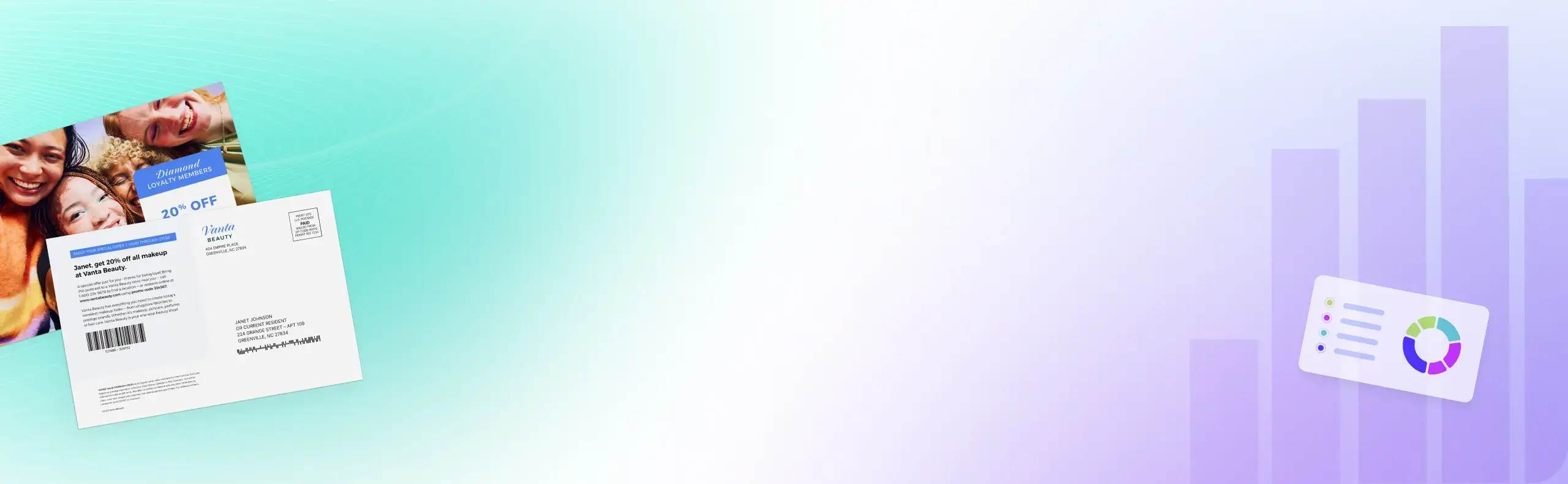
Retail Direct Mail Marketing Services
Leverage advanced segmentation and customer analytics to deliver compelling direct mail.
deeper customer insight and industry specific strategies.








What is retail services direct mail marketing?
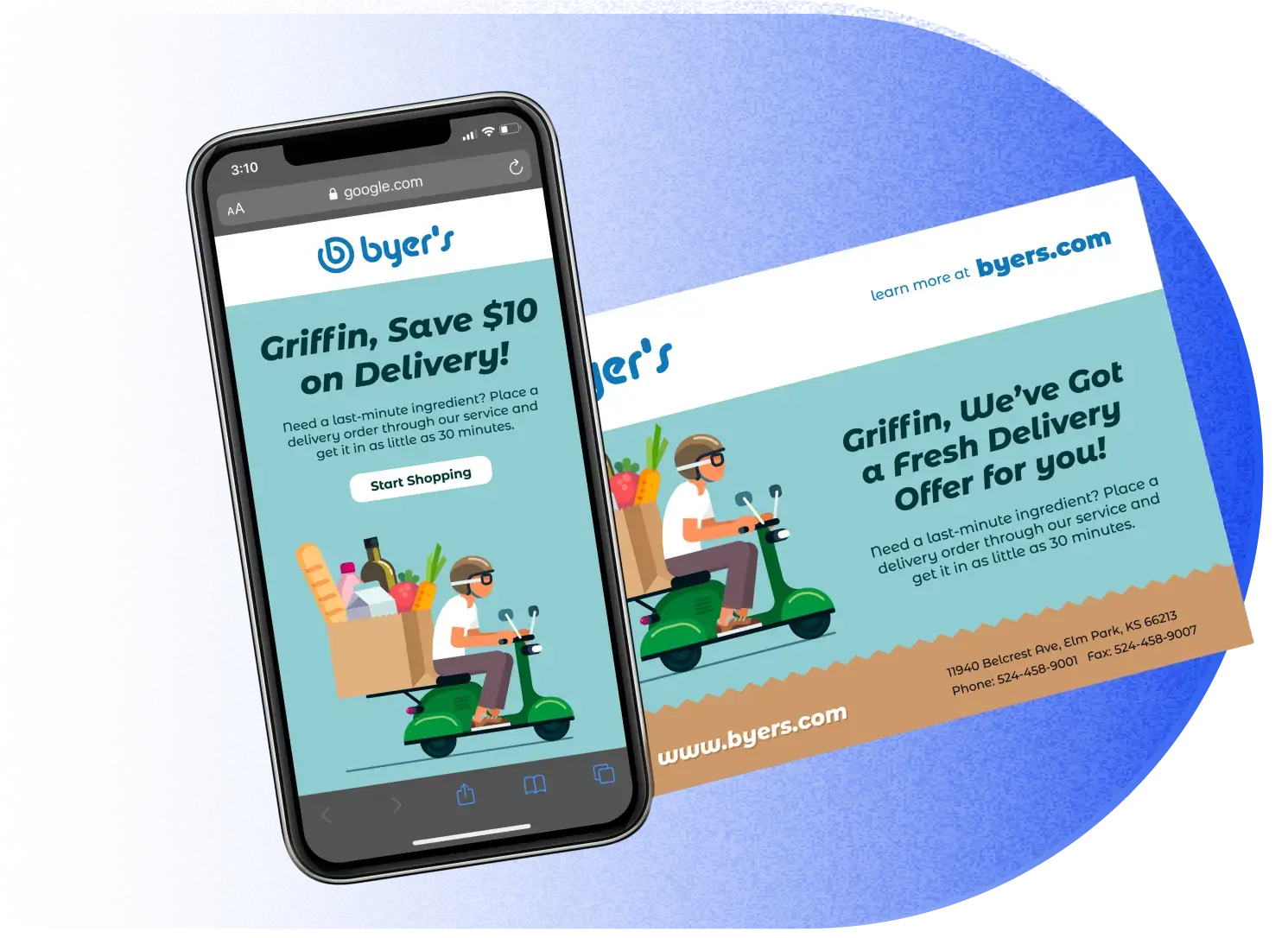
Retail direct mail marketing is a data-driven strategy that enables retailers to reach customers and prospects in their homes with highly targeted, tangible offers for promotions, product launches, loyalty incentives and more.
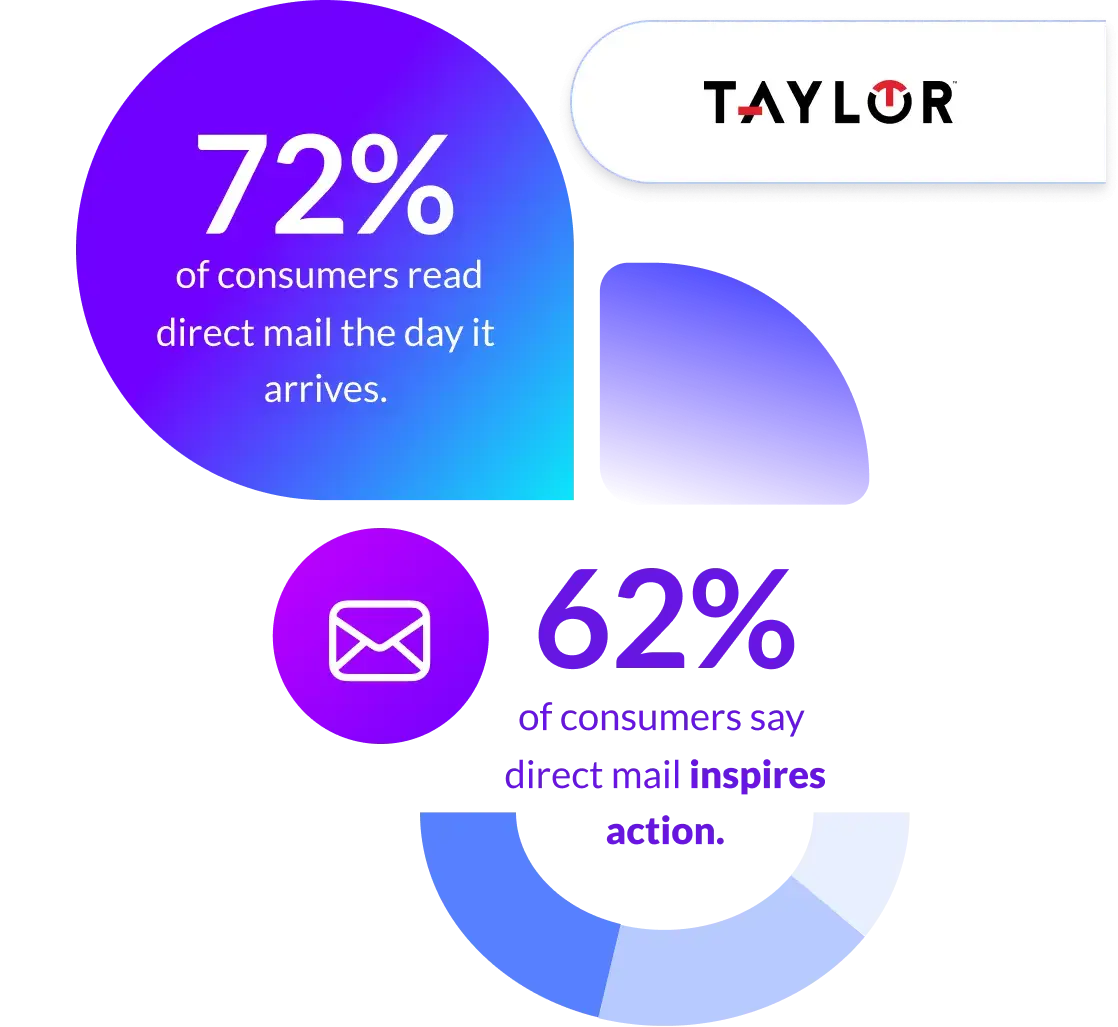
of marketers say direct mail delivers the best ROI and conversion rate.
of consumers say direct mail has inspired them to take action.
How do retailers use direct mail?
Retailers use direct mail marketing services to achieve key objectives such as acquiring new customers, increasing in-store and online traffic, boosting sales during promotions, and building ongoing customer loyalty.

Attract New Customers
Attracting new customers through targeted mailers designed to reach high-potential audiences
Increase Traffic
Driving both in-store and online traffic, especially during key promotional periods
Cross-Selling & Upselling
Increasing sales and maximizing visibility during seasonal campaigns or exclusive events
Increase Loyalty
Building ongoing customer loyalty with personalized communications and tailored incentives
Promotional Marketing
Showcasing featured products or services through custom catalogs, high-impact postcards and omnichannel campaign integration
Why is direct mail effective for retailers?
Direct mail delivers measurable results for retail by cutting through the noise and motivating
action where it matters most. In an age of digital overload, direct mail enables more
meaningful connections, higher engagement and better campaign performance.
Trust & Tangibility
Physical mail helps retailers stand out in a crowded market by offering a physical touchpoint that captures consumers’ attention with a deliberate and personal feel.
High Response Rates
Retailers experience response rates with direct mail that consistently outperform digital-only campaigns, helping convert interest into real results.
Personalization at Scale
Advanced data-driven processes power allows you to offer personalized and area-specific offers that feel more meaningful, increasing conversion rates and customer loyalty.
Compliance-Ready
Recipients are more likely to remember offers from your brand and act on them, leading to measurable sales increases.
What are the different types of
direct mail for retail?
Direct mail marketing for retail offers a variety of solutions, each tailored to help you achieve
your objectives, whether that’s increasing foot traffic, launching a new location or encouraging repeat
business.
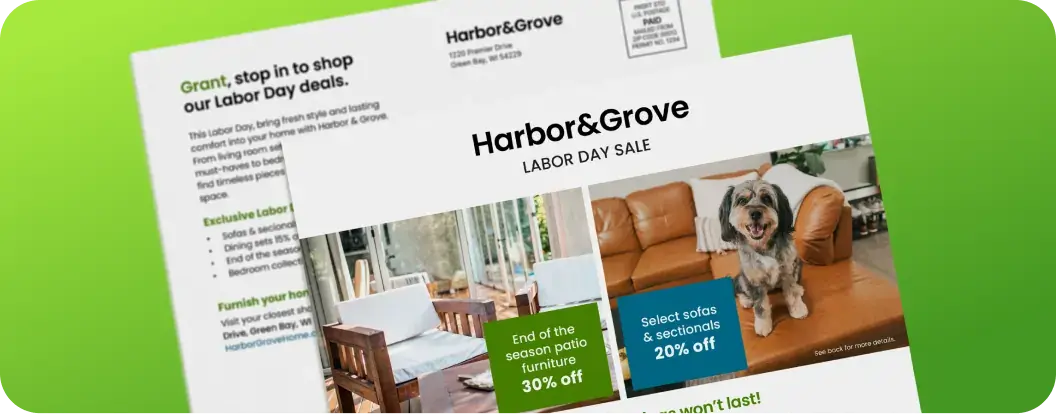
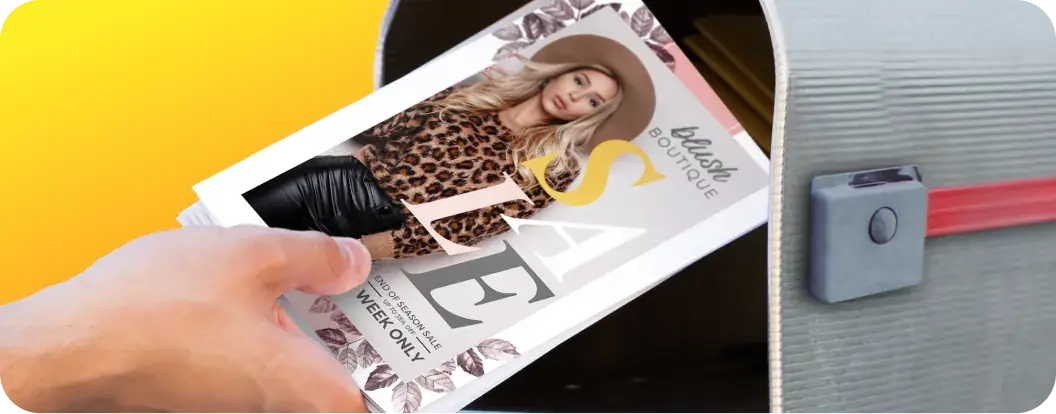
Postcards
Ideal for sales events, special announcements and limited-time offers you want to put directly in customers’ hands.
Catalogs & Brochures
Engage shoppers with thoughtfully curated product selections, seasonal launches and inspiration for new purchases.
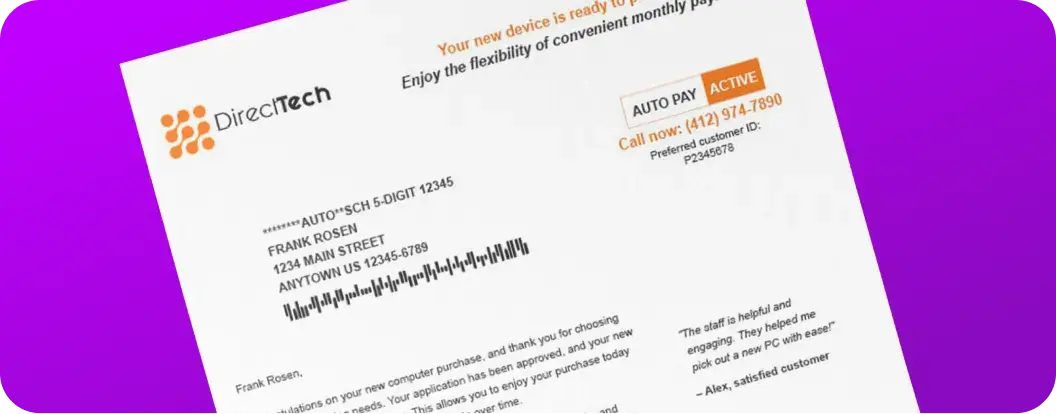
Personalized Letters
Strengthen loyalty and drive results with targeted offers for your best customers, showing them relevant deals or exclusive previews.

Gift Cards & Coupons
Give shoppers a reason to visit your store soon by delivering exclusive savings and offers they can redeem immediately.
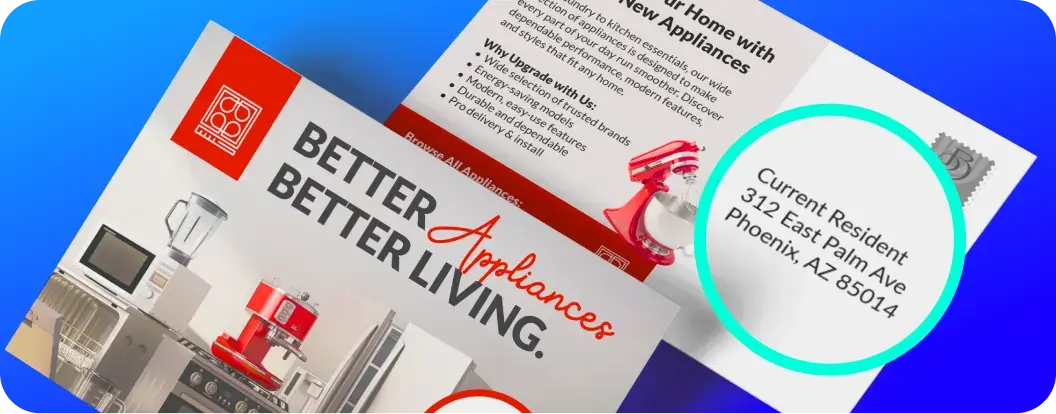
Every Door Direct Mail (EDDM)
Deliver printed mail to every home on specific postal routes, without needing names or addresses. Target entire neighborhoods and areas by zip code, route or demographics.

Each of these direct mail types can be customized using sophisticated data analytics and variable printing technology, ensuring that
every piece remains personalized and relevant no matter the objective of your campaign.
How do we create data-driven
direct mail retail campaigns?
Reaching customers at the right place and time isn’t based on luck. There are ways
to learn how they behave, where they browse and buy and what motivates them to
seek your products.
Customer Profiles
Deeper knowledge of your target audience lets you deliver more personalized experiences.
Modeling
IBM SPSS neural networks modeling tools provide data modeling that enables you to discover complex relationships in your data.
Segmentation
Organize your current and prospective customers into specific groups based on their preferences, buying behaviors and shared characteristics.
Marketing Data & Analytics
Real-time access lets you direct and follow your campaigns while they are in progress.
Customer Journey Mapping
Your guide to determining where customers are on their buying journey and exactly what you need to send them.
Performance Marketing
Collect and evaluate demographics, psychographics, household buying behaviors, life-stage triggers, geography and more.
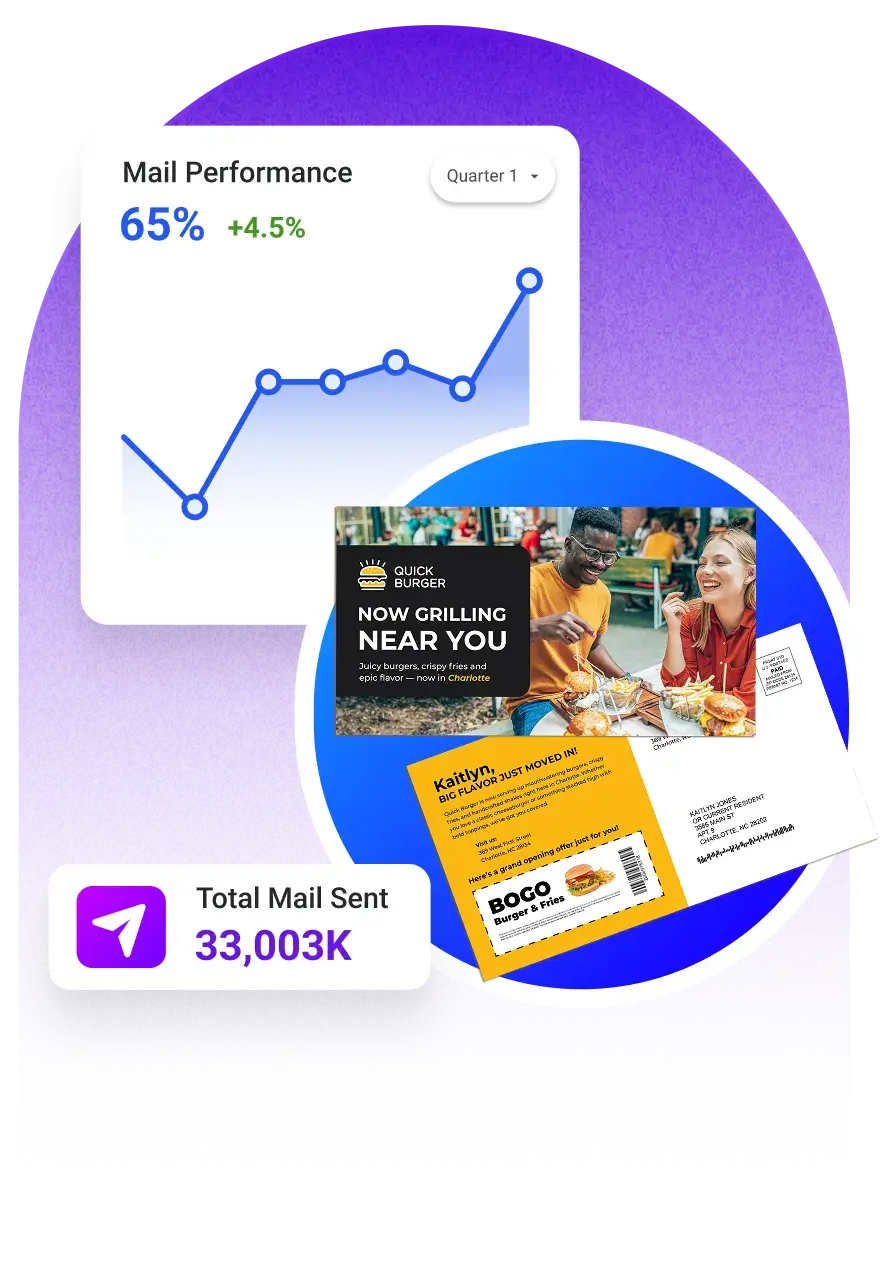
Your Direct Mail Automation Platform
Taylor’s direct mail software can transform how you execute retail direct mail campaigns. From data
intake, asset management, printing, sorting and postage optimization through mailing and final delivery,
Taylor can take your direct mail campaigns to the next level.
The Benefits of Direct Mail Automation
By automating your direct mail workflow with an all-in-one platform, you’ll have greater transparency and
accuracy in your direct mail efforts with real‑time access to data, campaigns and tracking.
Campaign Efficiency
-
 Easier campaign execution
-
 Faster access to results
Targeting & Insights
-
 More precise audience targeting
-
 More actionable insights that drive higher campaign ROI
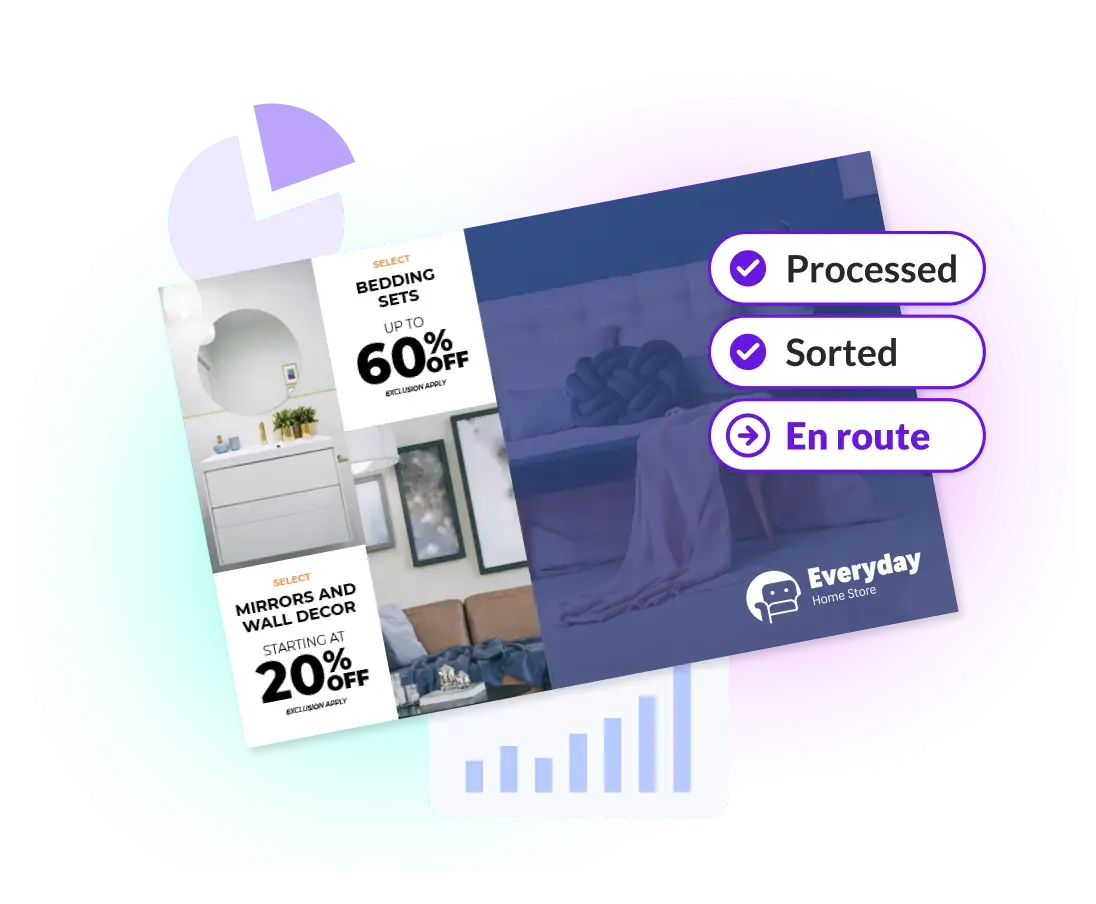
Workflow, Reporting & Analytics
Users have convenient and uninterrupted access to important information 24/7.
- Comprehensive tracking of each stage, from initiation to completion
- Continuous updates on production milestones
- Performance and reliability metrics throughout the USPS® journey
- Effective management of both outgoing and incoming mail
- Timely and accurate delivery for all mail pieces
How can consumer data be used to
find more retail customers?
Retailers can leverage customer data to identify and target consumers
most likely to be in the market for new products and services.
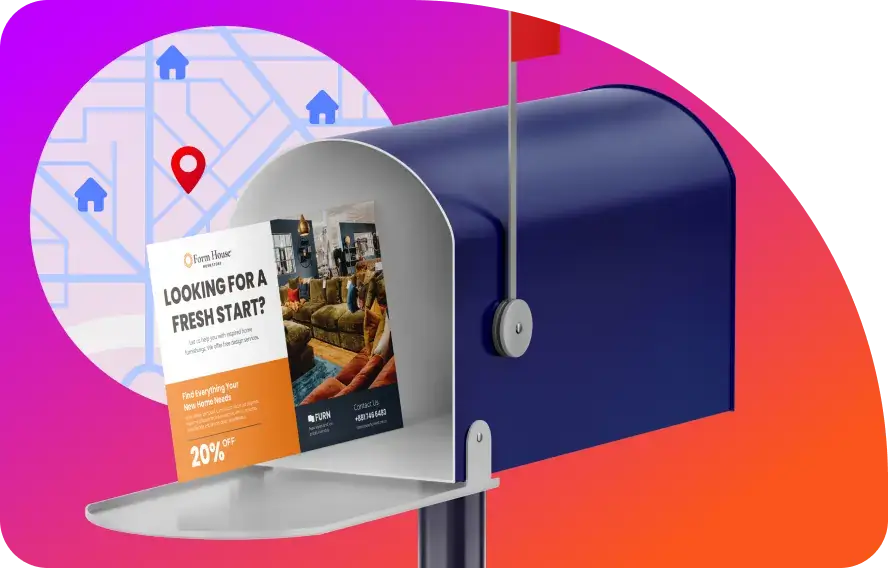
New Mover
When do people buy the most? Usually when they are moving. When people move, they spend almost $10,000 on new items and services in the first year. And the majority say they are open to trying new brands and service providers.
Our program helps you reach movers 14 days sooner than other new mover sources, and we have access to verified pre-movers with current and future addresses a month in advance of a move.


How does data-driven direct mail
improve ROI for retailers?
Data-driven direct mail helps retailers significantly improve their return on investment by reaching
the right customers with hyper-personalized messaging and adapting quickly to changing trends.
Engagement
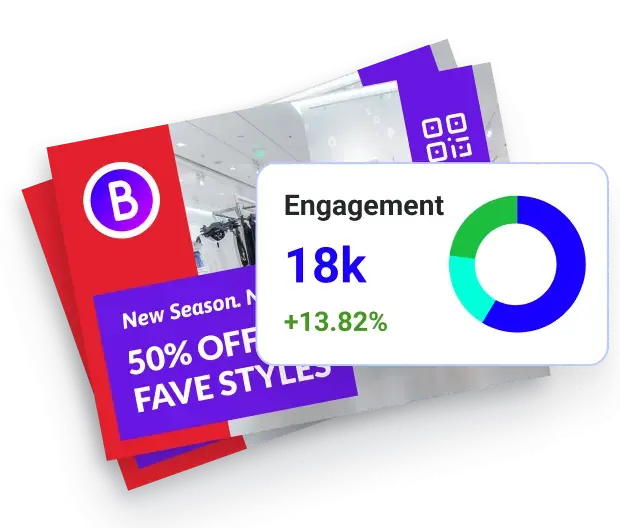
Advanced analytics identify high-value, high-propensity buyers using integrated buying, demographic and behavioral data.
Resource Management
Resources are allocated more efficiently, increasing conversion rates while reducing unnecessary spend.
Flexibility & Scalability
Real-time data integration enables quick adjustments to evolving consumer behaviors and retail trends, keeping messaging relevant as market conditions evolve.
Higher Visibility
Marketers gain full transparency into campaign performance through comprehensive tracking and attribution, making it easier to see what’s working.
Enhanced Reporting
Track responses in real time to gauge effectiveness and inform future strategies. Continuous measurement help teams showcase results and support budget decisions.
How does direct mail integrate Into
retail omnichannel campaigns?
Direct mail has experienced a resurgence as a tangible way to connect with clients, but it can be even more powerful when it’s woven into a broader omnichannel strategy.
The most effective retail marketing strategies integrate direct mail with digital, mobile and contact center touchpoints to create seamless omnichannel experiences.
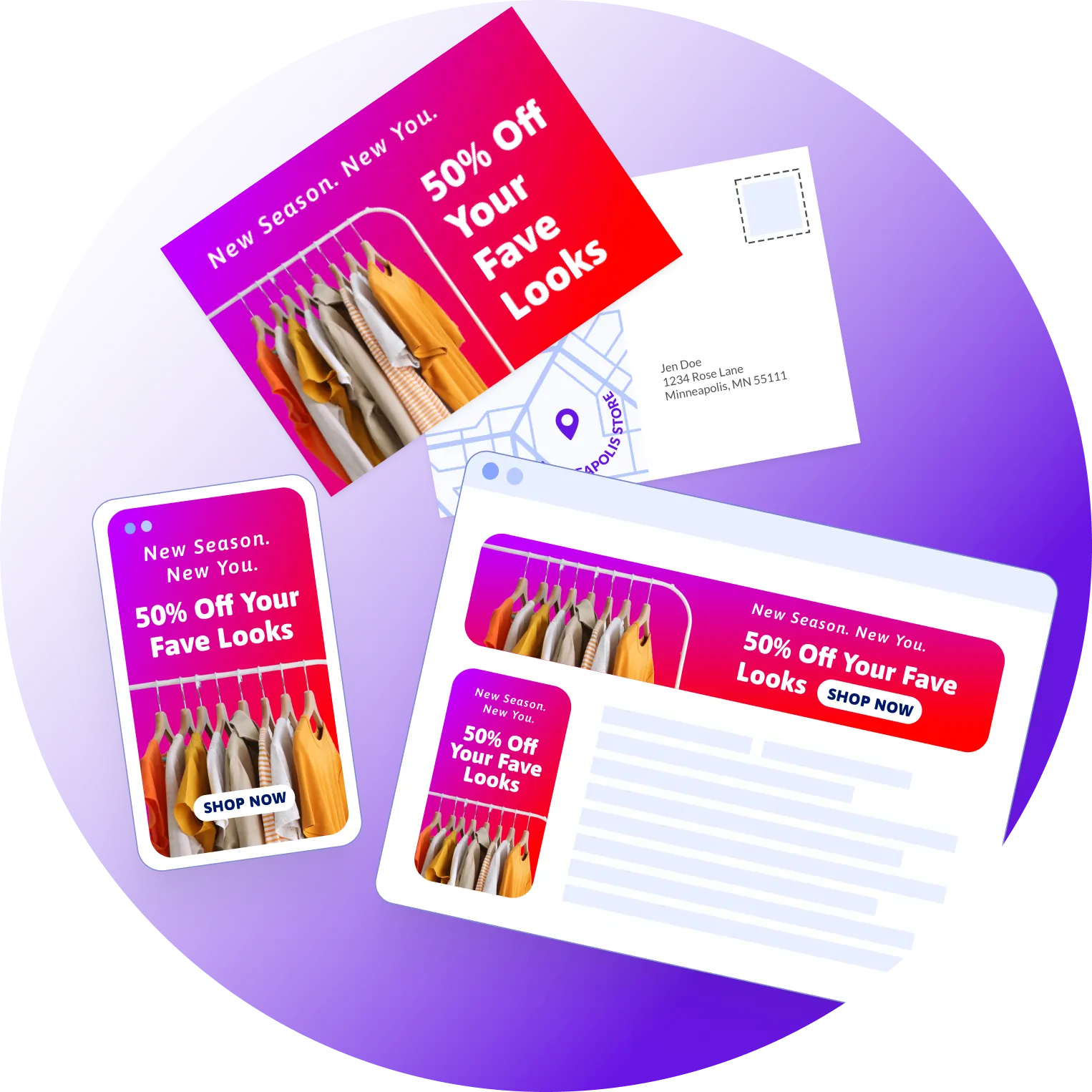
Targeted Direct Mail as Part of Omnichannel Strategies
Targeted direct mail works hand in hand with digital marketing to reinforce your message, drive response rates and improve results. Direct mail can trigger digital follow-ups, reinforce online campaigns and work in sync with CRM workflows to deliver a consistent, cohesive customer journey.
Unified Engagement
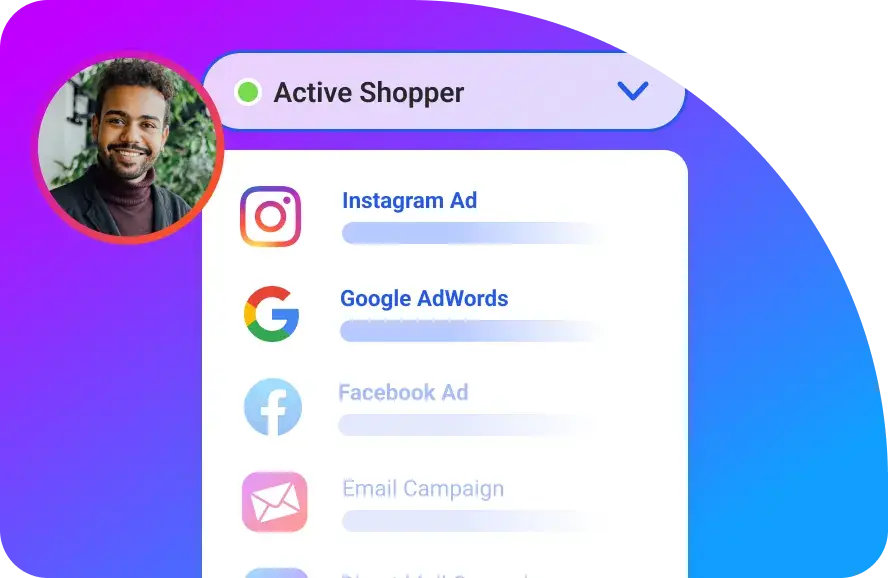
Direct mail, email, mobile, digital ads, websites and contact centers connect key touchpoints across every stage of the journey.
Customer Satisfaction
Combining communication channels allows you to reach clients through their preferred channels, increasing both response rates and customer satisfaction.
Digital Triggers
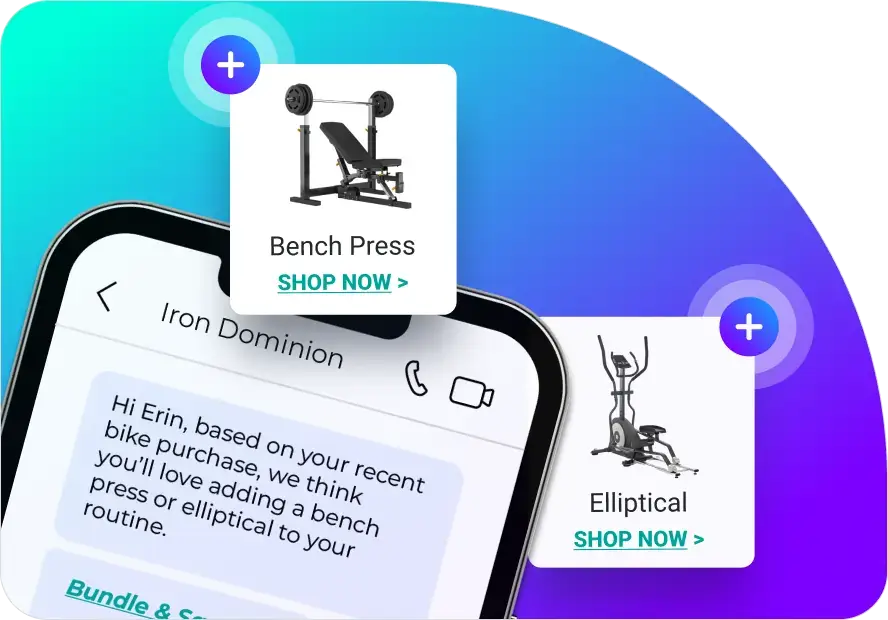
Digital messaging such as personalized emails or SMS reminders can be triggered based on physical mail delivery.
Reinforced Messaging
An omnichannel approach ensures that messaging is reinforced and consistent across platforms, increasing campaign relevance and recall.
CRM Integration
Omnichannel communications can integrate with CRM and data solutions for real-time tracking and personalized follow-ups, helping you stay responsive to client needs.
Marketing Analytics
Omnichannel campaigns offer actionable insights through robust analytics, so you can continuously fine-tune strategies for best-in-class results.
Acquisition & Retention
Omnichannel Marketing in Retail
Your customers’ lives are busy, and their attention is spread across digital, mobile and physical
channels. An omnichannel approach ensures your message is seen when and where it matters
most. By coordinating communications like direct mail, email, digital ads and more, you can boost
engagement and trust with every interaction.
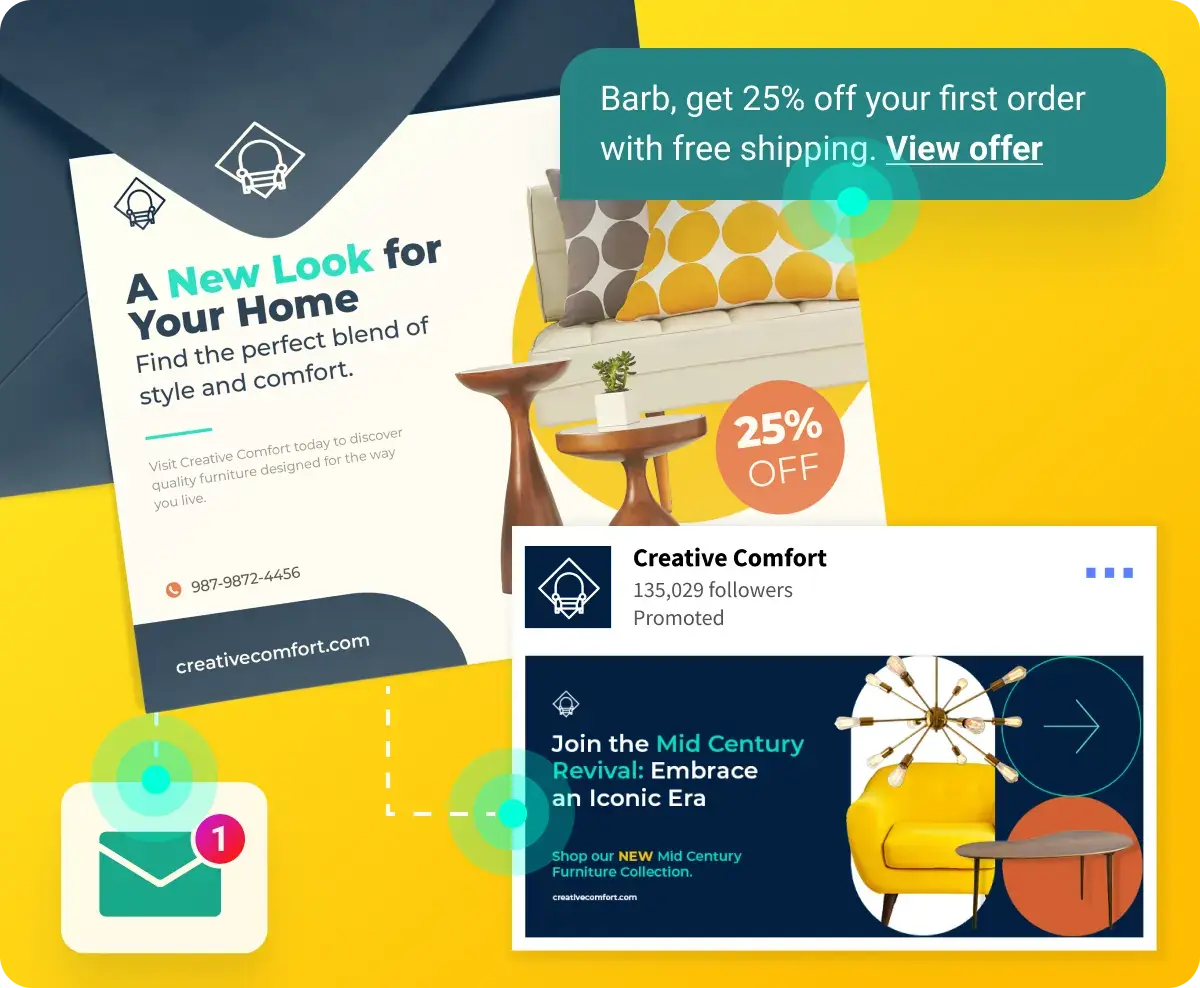
Direct Mail with Websites
Mailpieces connect the physical and digital worlds when used alongside your website.
QR Codes
Scannable codes that direct customers to your website or landing page and allow response tracking.
PURLS
Personalized URLs that bring each customer to their own landing page for a one-to-one experience.
Direct Mail with Email
Emails can be coordinated with mail delivery, alerting customers that a promotion or offer is on its way to their physical mailbox.
Direct Mail with Social Media
Senders are notified when mail reaches its audience, enabling targeted paid social ads that align with the mail and its recipients.
Direct Mail & Digital Ads
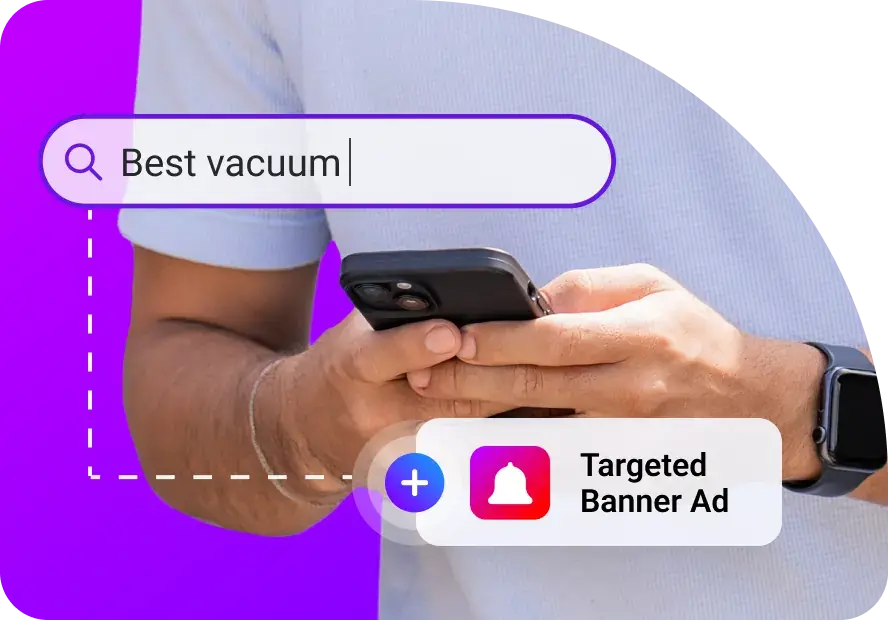
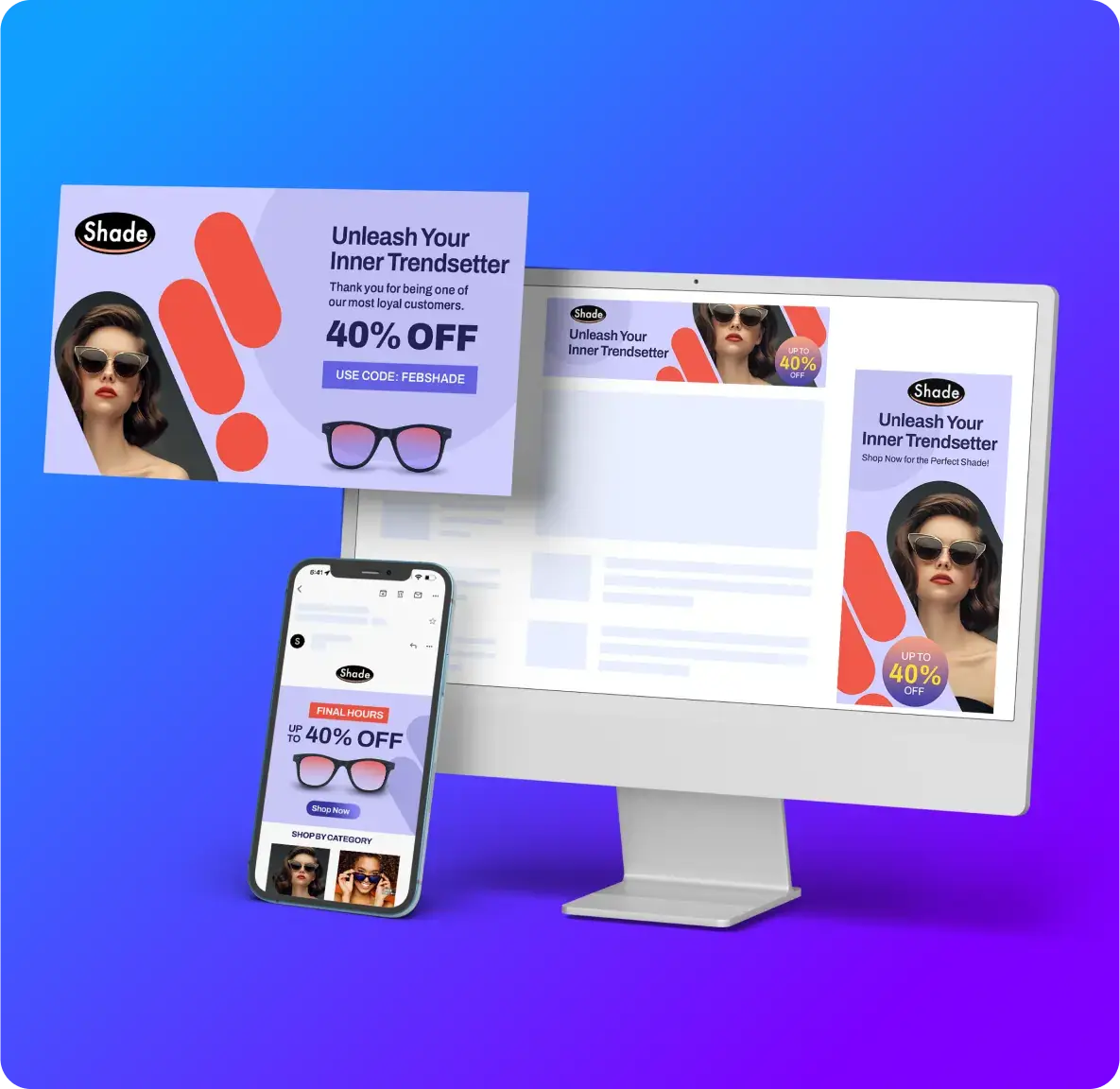
Pairing direct mail with digital ads broadens reach, strengthens recall, and boosts conversions by targeting recipients with print alongside display and social ads.
Direct Mail with SMS Text
Text offers drive high engagement and can trigger personalized direct mail tailored to each recipient.
Direct Mail & Geofencing
Creates a virtual boundary around key locations and delivers personalized digital and mail offers to customers when they enter those areas using GPS, Wi‑Fi, or cellular data.
