




Learn how the benefits of RFID smart labels are magnified when artificial intelligence technology is applied to Manufacturing Execution Systems (MES).
Blog
Taylor delivers RFID and smart label solutions engineered for secure, reliable product identification and asset tracking. We combine premium designs, durable materials and cutting-edge technology to meet the needs of your supply chain.

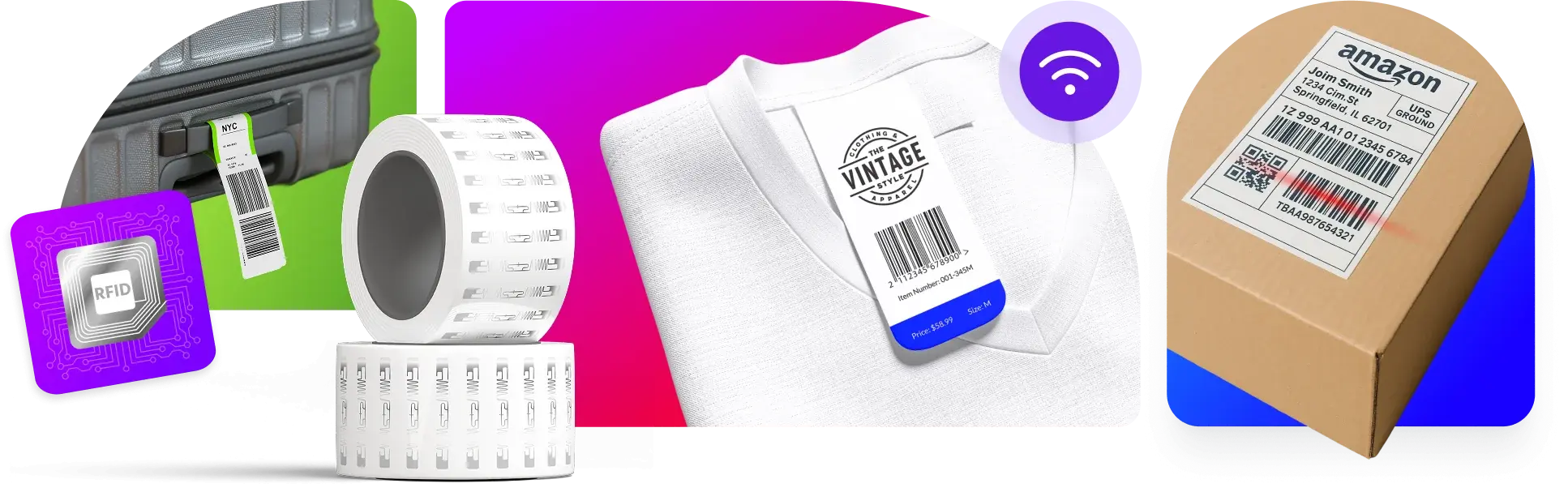
RFID stands for “Radio Frequency Identification.” RFID labels use tiny embedded microchips to store and
communicate information that is then transmitted to reader devices. RFID technology can transform
how your organization tracks and manage products, materials and assets throughout the supply chain.
RFID technology reduces product losses and mistakes associated with manual data entry and scanning including inaccurate inventory records and shipping errors, saving time and reducing the need for extra labor.
Using RFID lets you track deliveries with precision with accurate, up-to-the-minute visibility into inventory and asset locations, allowing you to properly assign tasks and address bottlenecks before they happen.
RFID technology can integrated with your systems so routine processes like tracking and monitoring can be automated, freeing staff to focus on other tasks and letting employees accomplish more in less time.
RFID labels are incredibly versatile and can be utilized across sectors such as retail, healthcare, manufacturing, logistics, transportation and consumer products.
RFID technology helps businesses adhere to advancing industry mandates and standards, supporting compliance in industries with new RFID requirements.

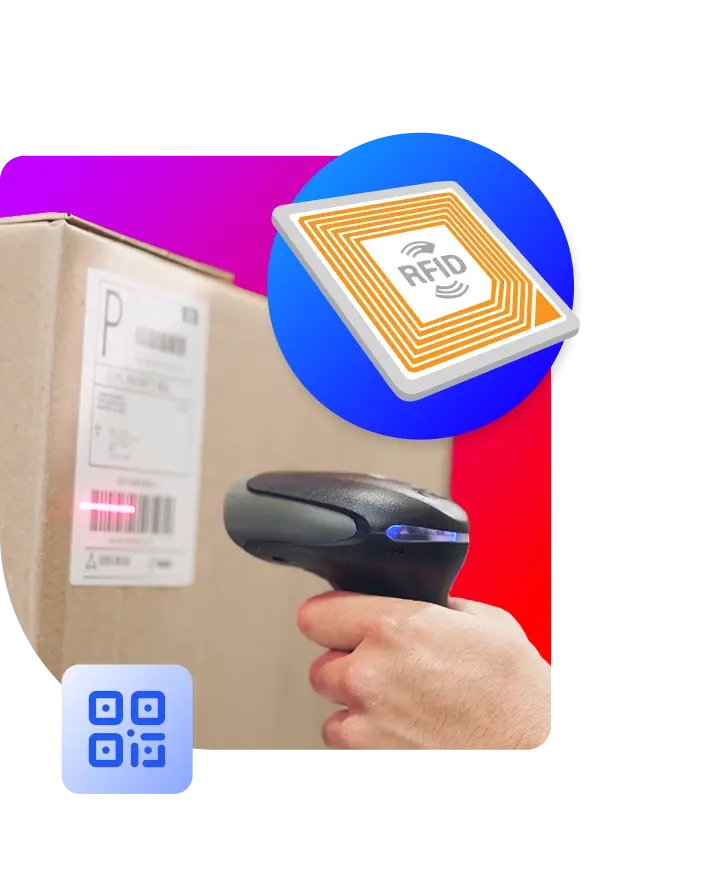
Understanding how construction and technology work together in RFID labeling is
crucial in using them to their full potential.


The top layer provides the label's visible surface and can include printed information, branding, or other graphics.

The functional core of the label, containing the antenna and chip that enable RFID communication.
Antenna: Receives and transmits radio-frequency signals between the label and the reader.
Chip: Stores identifying data and manages information exchange for tracking and authentication.

This layer bonds the RFID inlay to the face material and secures the overall label to its intended surface.

The base layer, typically made of release material, protects the adhesive during manufacturing and allows the label to be dispensed cleanly.
Smart labels enhance identification, visibility and customer engagement using technologies such
as RFID, barcodes, QR codes, NFC (Near Field Communication) and sensor-enabled features.
Selecting the right smart label approach depends on business problem to be solved, application
goals, data requirements, operating environment, system integration, and total cost to achieve
reliable performance and measurable business value.

RFID labels enable automatic, non-line-of-sight identification and bulk reading. They are ideal for inventory accuracy, real-time asset tracking, supply chain visibility and loss prevention in high-volume environments that require automation, speed and data accuracy.

NFC is a short‑range RFID technology optimized for secure smartphone interactions, including authentication, tap‑to‑access info, connected packaging and customer engagement.

Sensor-enabled labels track conditions like temperature, humidity, shock, or tampering while supporting cold chain monitoring, pharmaceutical safety, food quality assurance, and high-value shipment protection.

BLE is used to deliver long-ranged location tracking and condition monitoring often supporting real-time location systems and mobile device interaction. They are for equipment tracking, workflow optimization, and environments requiring active tracking with extended range.

Barcodes provide a low-cost, reliable method for line-of-sight identification during point-of-sale scanning, shipping and basic inventory control.

QR codes store greater amounts of data and can be scanned with smartphones for marketing, product traceability, authentication and customer engagement purposes. They offer strong value for linking packaging to digital experiences without specialized hardware.

EAS labels and tags focus on retail loss prevention and theft by triggering alarms at store exits when unpaid merchandise is detected.

NFC supports data privacy and helps prevent unauthorized access during tap-to-access interactions, digital authentication and connected packaging experiences.
Taylor is a leading RFID label manufacturer of custom RFID and smart label solutions,
engineered specifically for performance in demanding and highly regulated environments.
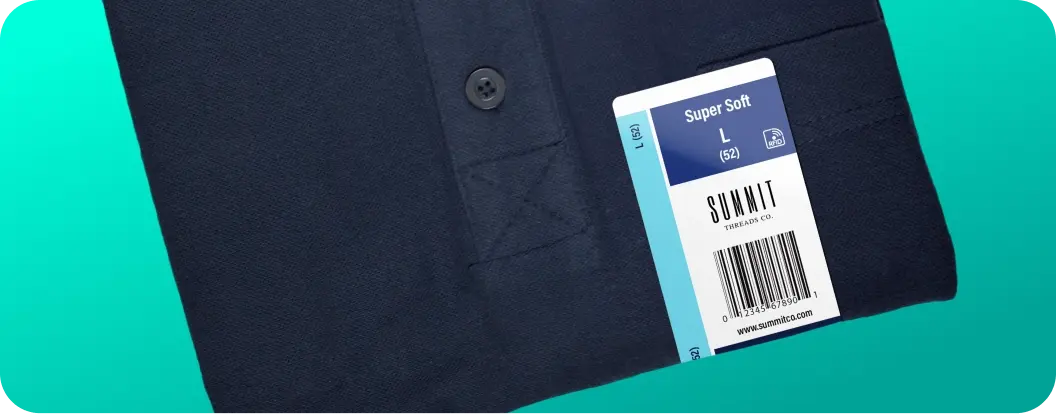
RFID and smart labels serve as tools for product identification, supply chain tracking and digital engagement across retail merchandise, electronics, food packaging, pharmaceuticals and more.
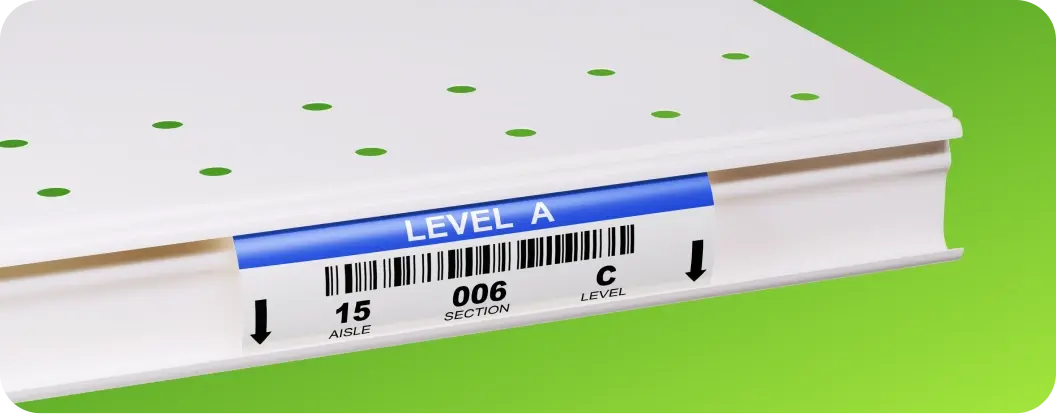
RFID technology improves accuracy, reduces errors and minimizes loss by automating inventory counts, asset tracking and shipment verification for industries such as retail, manufacturing, healthcare, and logistics.

RFID or NFC technology embedded in promotional and POS labels provides opportunities for interactive marketing, increased customer engagement and supply chain data you can take action on.
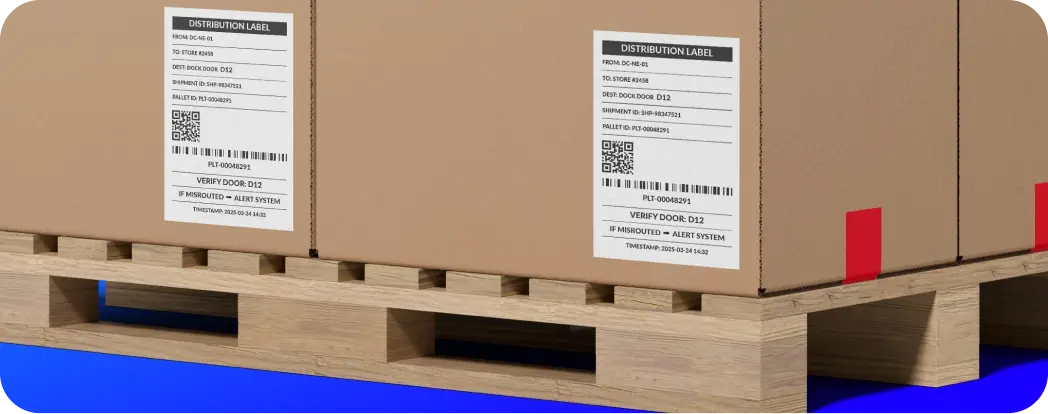
RFID asset labels help meet distributor and retailer requirements (including large-scale mandates like the Walmart RFID requirement), simplify quality control, support traceability, and automate distribution workflows.

RFID and smart labels are vital for grocery, produce and prepared foods as they enhance traceability and ensure authentication throughout supply chains, provide real-time monitoring, and display evidence of tampering.
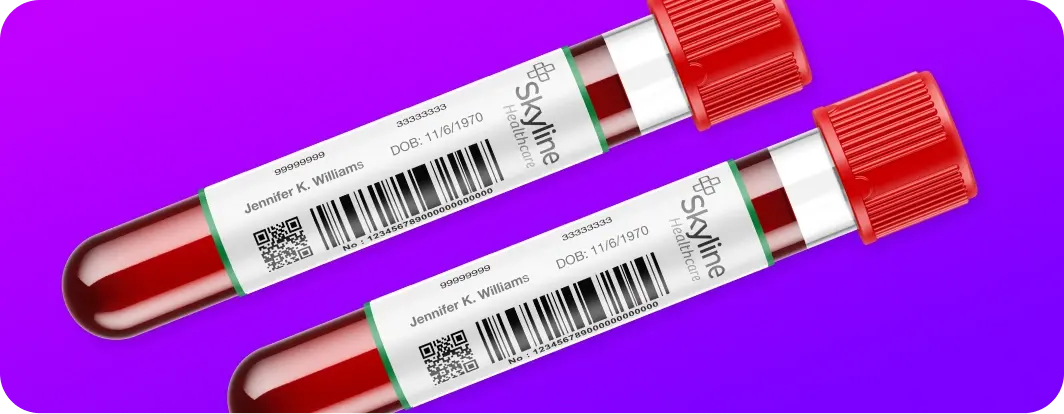
RFID and smart label technology provide encoded solutions for highly regulated processes including medication traceability, specimen tracking and equipment identification. They improve patient safety and boost operational efficiency by delivering secure supply chain management and regulatory compliance.

RFID labels deliver precise asset visibility, traceability and compliance across the shipment, delivery and storage of automotive parts, industrial components and consumer products throughout production, warehousing, and retail environments.
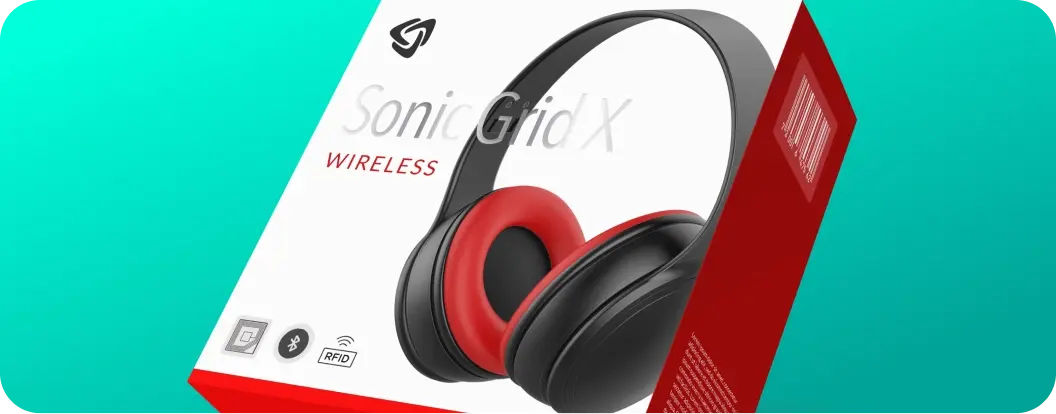
RFID technology can also be integrated into packaging materials and containers to enable wireless identification and tracking, turning packaging into an active data source throughout the supply chain.
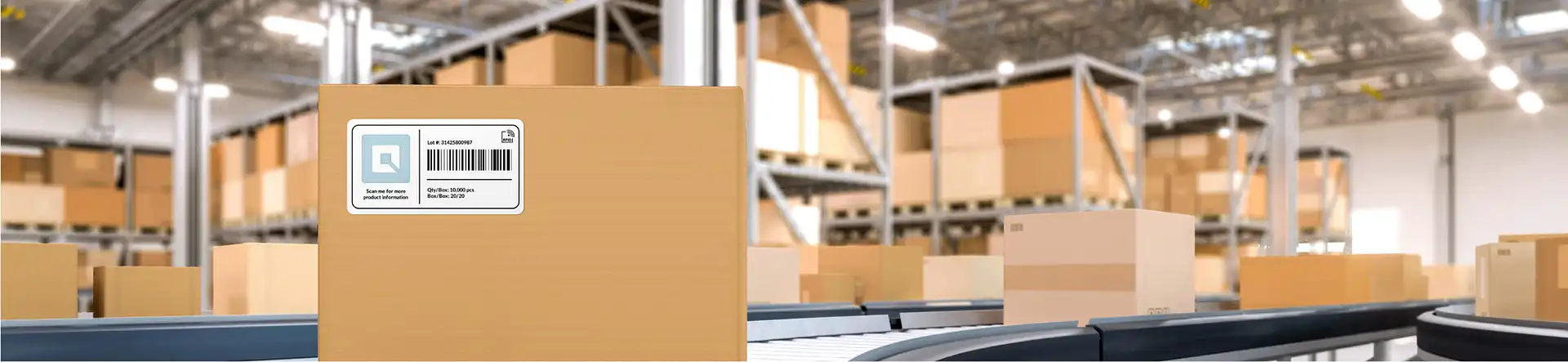
With over one hundred years of industry experience, Taylor integrates proven labeling manufacturing with state-of-the-art engineering to address the multifaceted challenges inherent in RFID and smart label production.
Choosing the right RFID inlay format is essential in solving issues like
real-time inventory accuracy, asset tracking and operational efficiency.

Select from UHF, HF and NFC inlay formats.
Tailor inlay sizes to achieve effective read ranges.
Reduce manual errors and inventory discrepancies.
Minimize signal interference for smooth asset tracking.
Select a category to see the inlay options that best fit your needs.

Select ARC‑certified inlays

Prioritize durability + read range

Consider NFC or specialty RFID
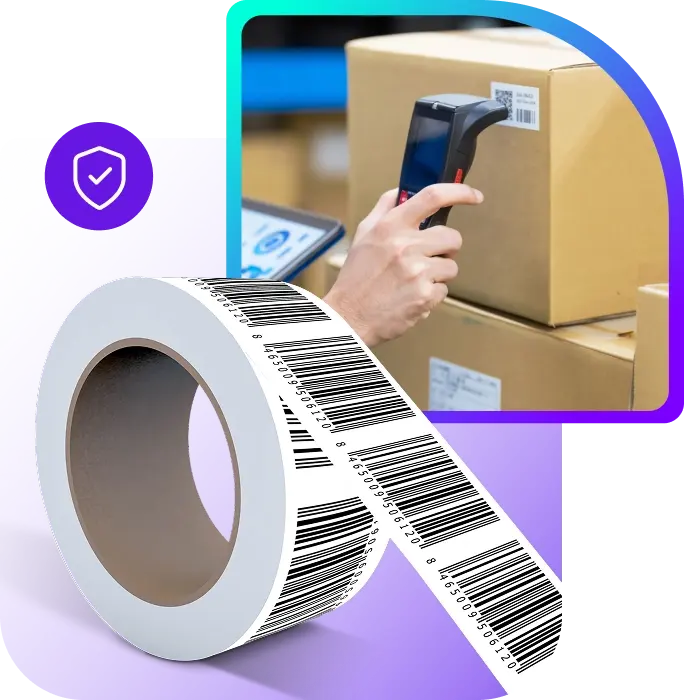
Taylor’s encoding protocols provide accurate data capture and traceability capabilities that optimize inventory management, meet compliance mandates and prevent costly errors.

Choosing the right materials, liners, and topcoats is essential to ensure your RFID labels stand up to the demands of your environment.
RFID and smart labels are propelling transformation across virtually every modern sector. By
integrating radio frequency identification technology and intelligent labeling solutions into supply
chains, organizations can achieve unprecedented levels of accuracy, visibility, and efficiency.
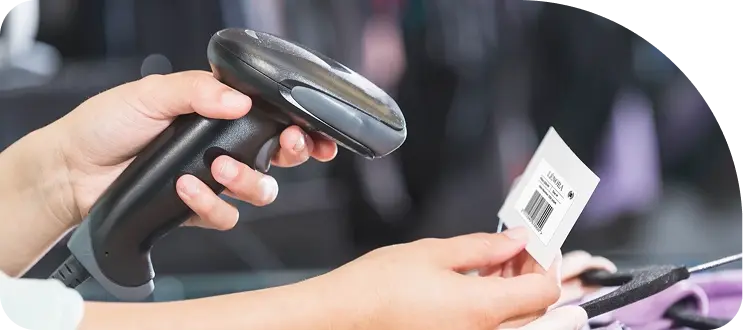
Meet demand and cut labor costs with accurate, real-time inventory tracking across all channels. Taylor’s RFID solutions eliminate manual errors and give you clear visibility, helping you prevent loss, optimize staffing, and keep products ready for sale—streamlining operations and improving customer experiences.
RFID and smart label solutions are transforming supply chains by enabling accurate, real-time inventory
tracking and faster response to market changes. With increasing industry requirements, such as
Walmart’s RFID mandate, businesses are adopting scalable tracking to meet compliance and boost
operational efficiency.

Mandates from retail and industrial leaders, such as Walmart and other major chains, are driving rapid RFID adoption to boost inventory accuracy and deliver real-time visibility.

Businesses across logistics, healthcare, manufacturing, and food sectors are accelerating RFID and smart label adoption for fully interconnected, intelligent operations.

Sustainable initiatives include recycled-content label materials, optimized recycling compatibility, and technological advances in adhesives and liner materials to reduce waste.
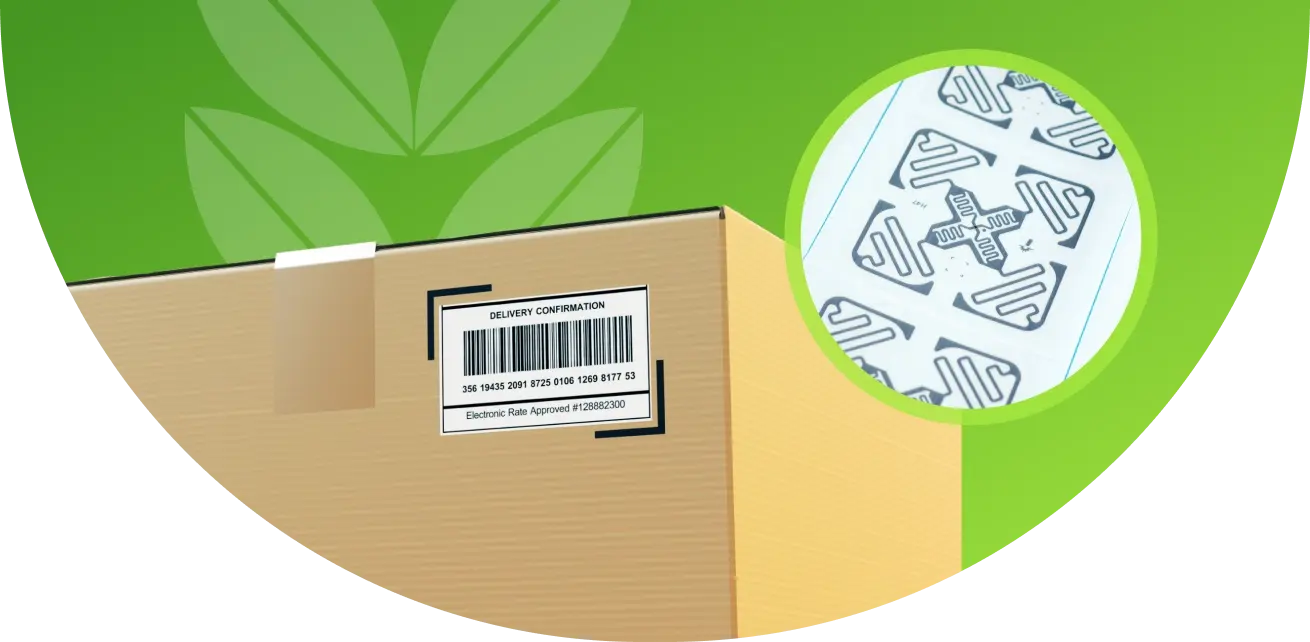
Taylor is committed to supporting sustainability across all RFID and smart label
applications. We strategically incorporate eco-friendly materials, such as recycled-content
paper and films, along with substrates tailored for environmentally responsible labeling.
Options include recycled-content paper and films, biodegradable and compostable films, and liners with reduced thickness.
Wash-off adhesive technology facilitates clean label removal for recycling, advancing circular economy initiatives.
Eco-responsible inks deliver strong, vibrant branding while supporting environmental and compliance objectives.
Efficient print and die-cutting processes further reduce waste and support company sustainability targets.
Taylor offers seamless, end-to-end support for RFID and smart labeling projects by providing
comprehensive consultation, strategic design expertise, and technology integration tailored to each
organization’s operational requirements.
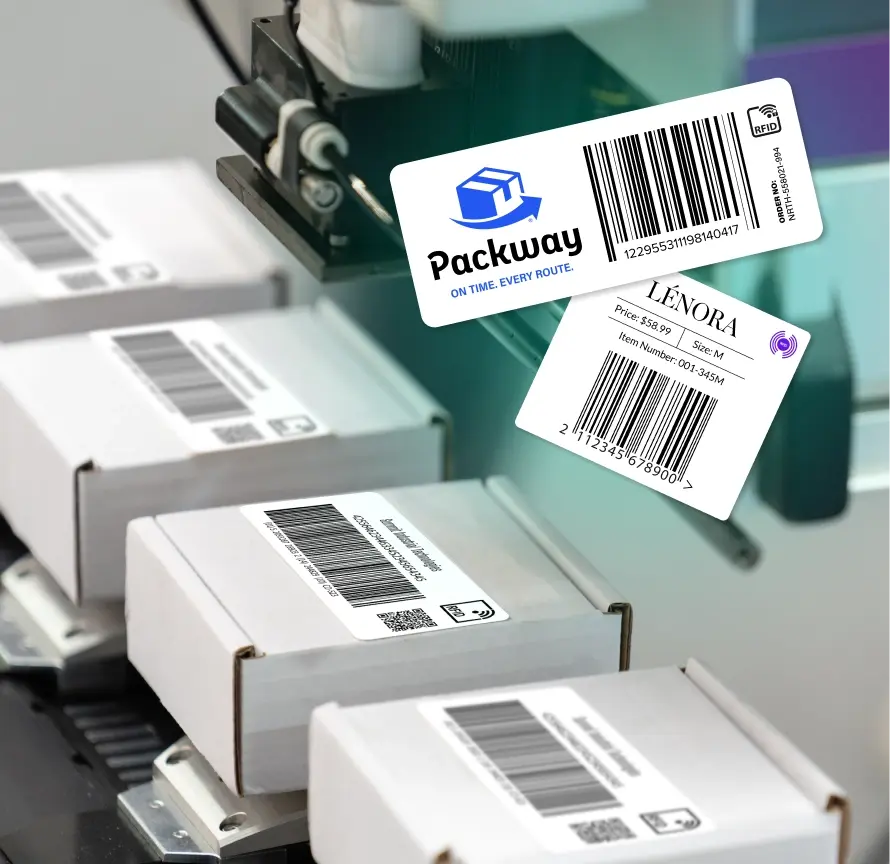
Strategic evaluation of application, operational and compliance needs, with expert guidance on RFID and smart label integration and brand design.
Selection of face stock, adhesive and inlay technology tailored for your specific use case, environment, and industry requirements.
State-of-the-art production and secure encoding or imaging for high-impact branding, traceability and compliance.
Strict quality protocols for both physical and electronic performance, verifying every tag meets your standards and industry mandates.
Full finishing options such as including laminates, coatings and custom die cuts paired with complete system integration and workflow support.
Learn how the benefits of RFID smart labels are magnified when artificial intelligence technology is applied to Manufacturing Execution Systems (MES).

Discover how Taylor Healthcare's capabilities enabled a unified solution for a medical diagnostics company with a more efficient fulfillment model.

Learn how real-time customer interaction tools like RFID smart labels and NFC customer feedback solutions are changing modern marketing.

Discover how Taylor’s Pulse Tap and RFID labeling enabled fast, cost‑effective Google Reviews collection across offices for a tax preparation company.

Learn how to boost business with NFC and RFID feedback solutions that capture Google reviews at the point of experience.
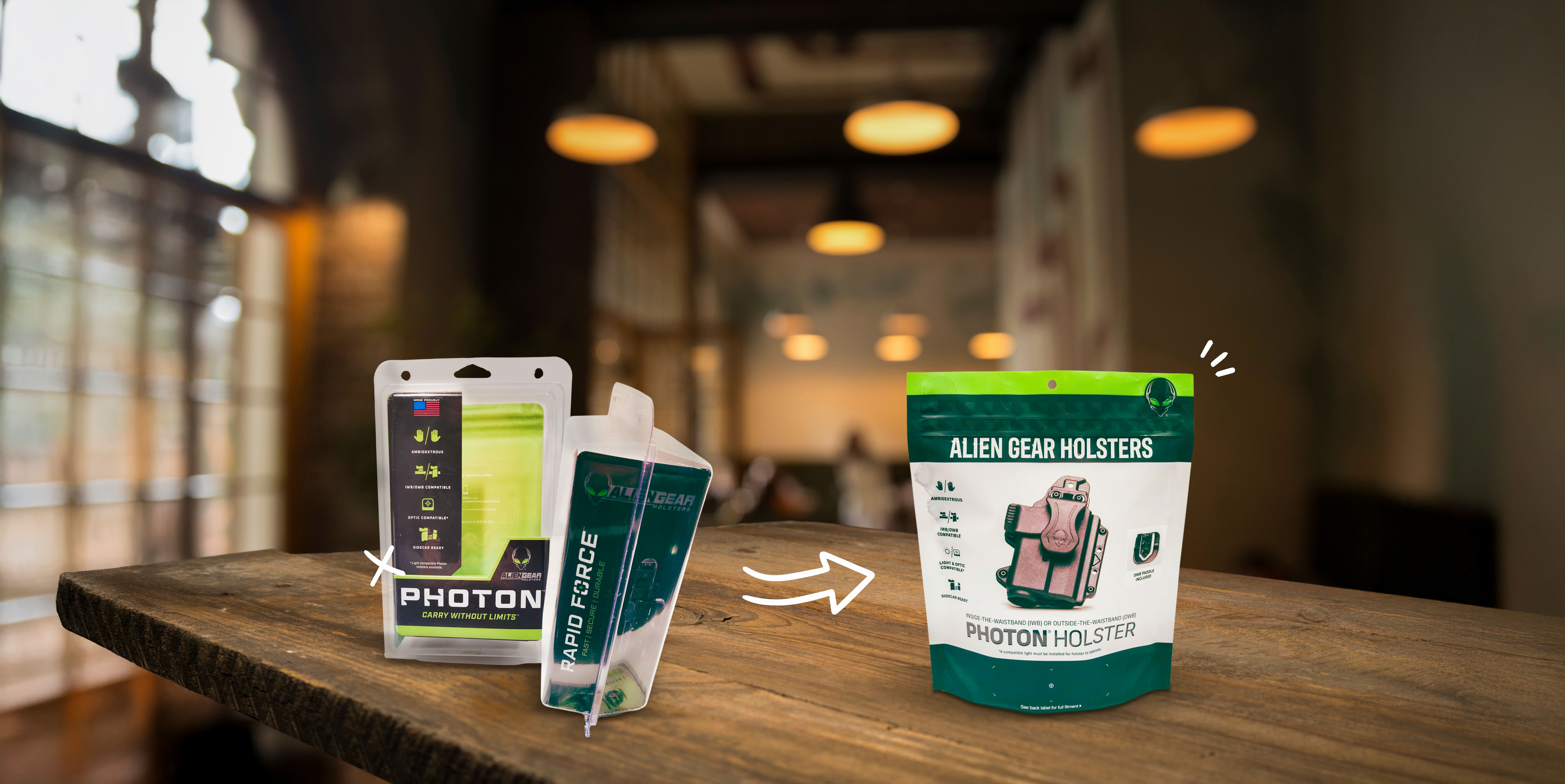
See how Alien Gear partnered with Taylor and transitioned from clamshell packaging to flexible pouches, cutting costs and labor while boosting sustain...
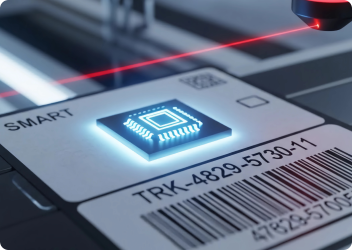
Learn about industry adoption of RFID mandates and why RFID is beneficial to retailers, manufacturers, logistics providers, healthcare and more.
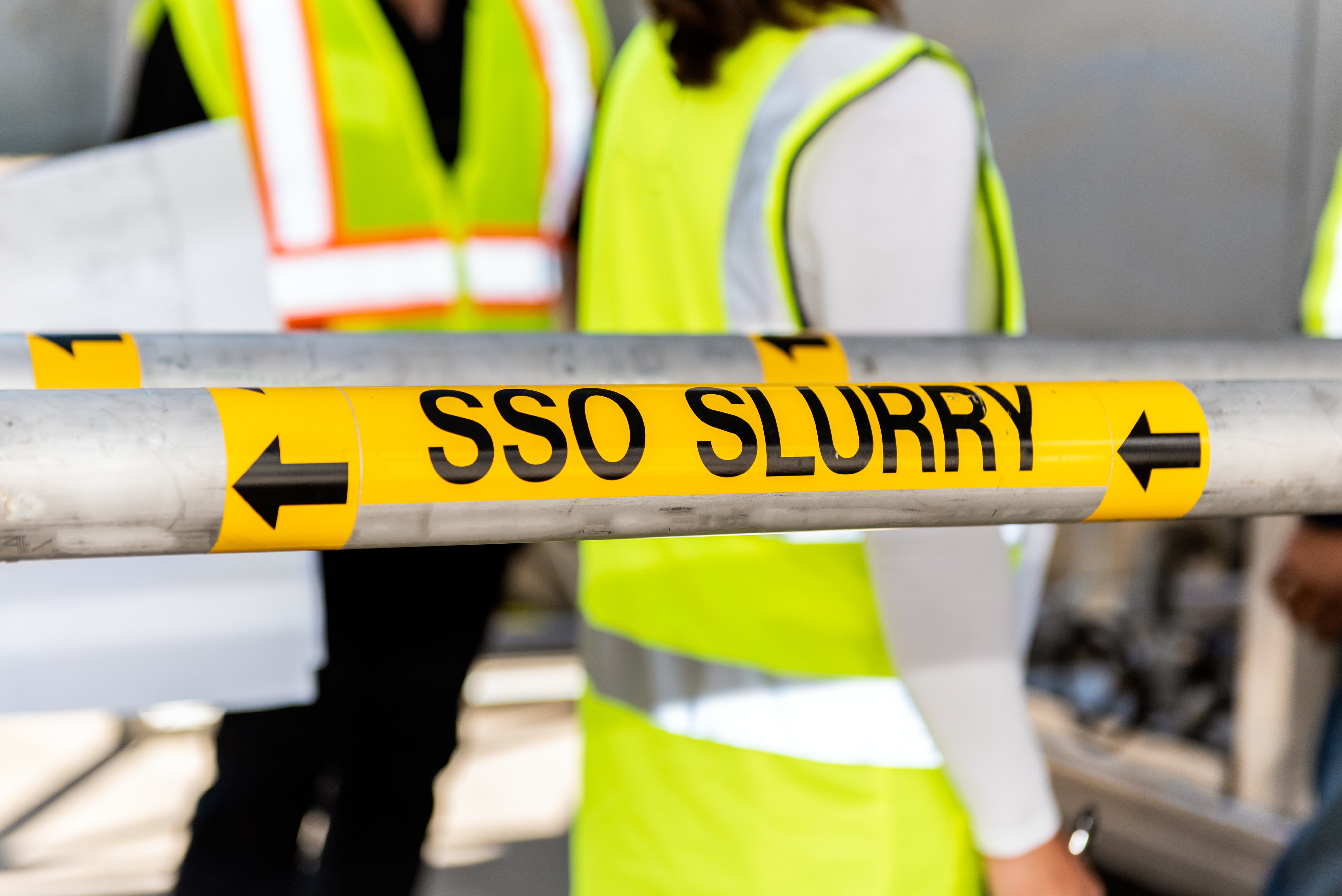
Explore how Taylor’s digital durable labeling improved Lean compliance, reduced labor costs, and survived harsh Clean‑in‑Place environments.
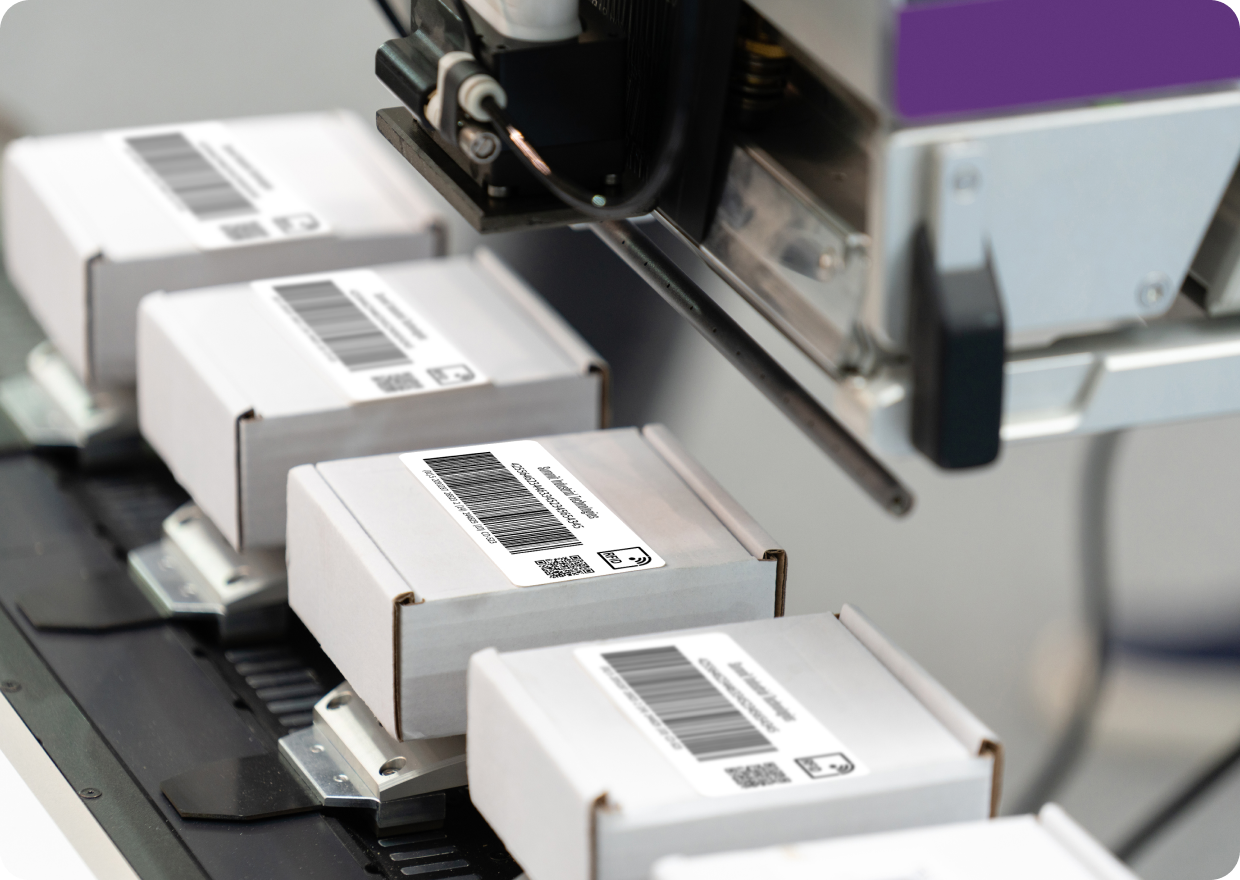
Learn how implementing RFID tags in manufacturing processes unlocks the many benefits of RFID technology in manufacturing settings of all types.
.png)
Taylor delivers durable HVAC labels, nameplates, warning labels, and kits with regulatory compliance plus U.S./Mexico production, manuals, and tech do...
Taylor delivers durable, compliant manufacturing labels powered by materials science, agency compliance, and JIT efficiency.

Discover how RFID smart packaging growth is driven by emerging applications for smart security labels, smart retail labels and RFID tracking stickers.
