
Direct Mail Marketing for Healthcare
Deliver direct mail that engages patients with relevant,
timely communications.
What is healthcare direct mail marketing?
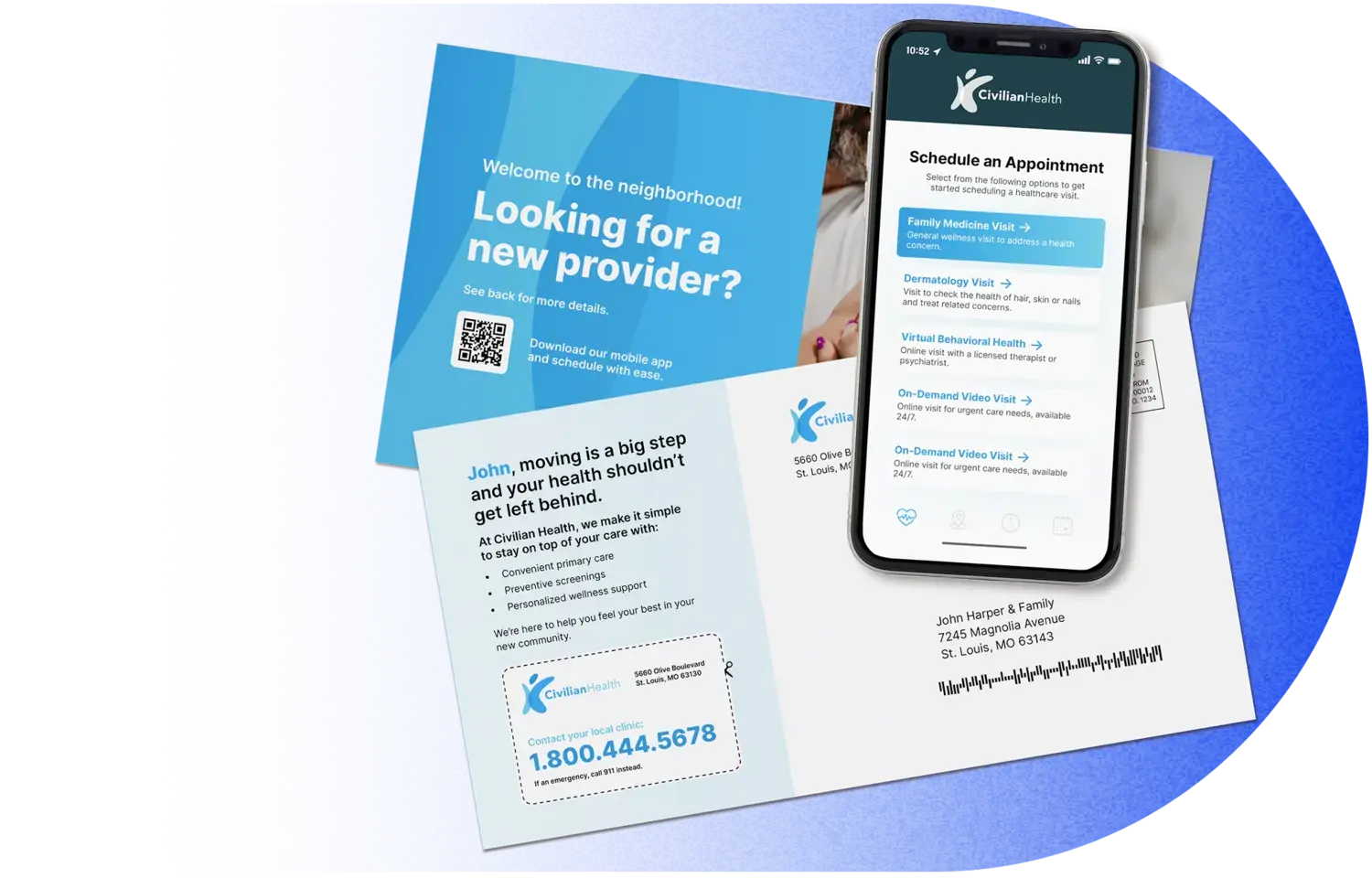
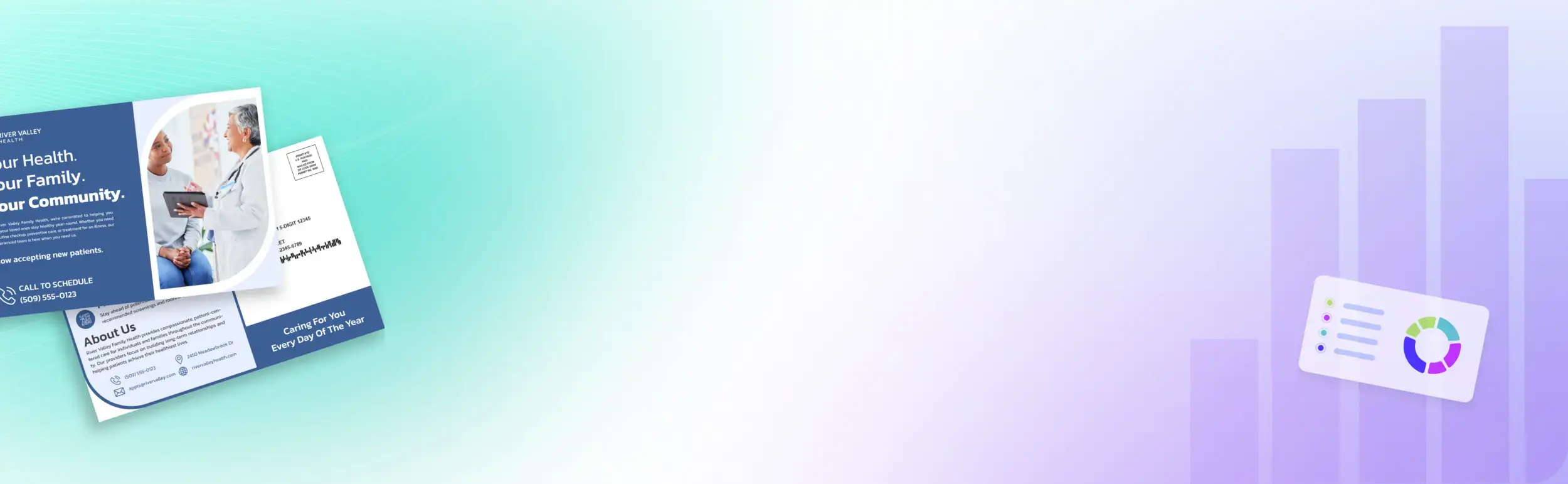
Healthcare direct mail marketing is a targeted, data-driven approach used by health systems, hospitals, specialty clinics and healthcare payers to engage patients and members through highly personalized printed communications.
How do healthcare providers use direct mail?
Healthcare organizations use direct mail marketing for a wide range of initiatives, including promoting preventive screenings, open enrollment and wellness programs, and supporting new patient outreach and retention.

New Patient Outreach
Patients have many options when choosing where to go for care. Direct mail helps you reach new patients or members with timely and highly targeted campaigns.
Personalized Messaging
Inform current patients about additional services, such as annual wellness visits, specialty care or new practice offerings tailored to their health needs.
Engagement & Education
Deliver appointment reminders, health education, event invitations and compliance guidance to foster ongoing engagement and support informed healthcare decisions.
Staff Recruitment
Direct mail can also be used by providers as a recruitment tool. Data-driven targeting is very effective at reaching qualified clinicians and nurses as well as recent graduates.
Timely Notifications
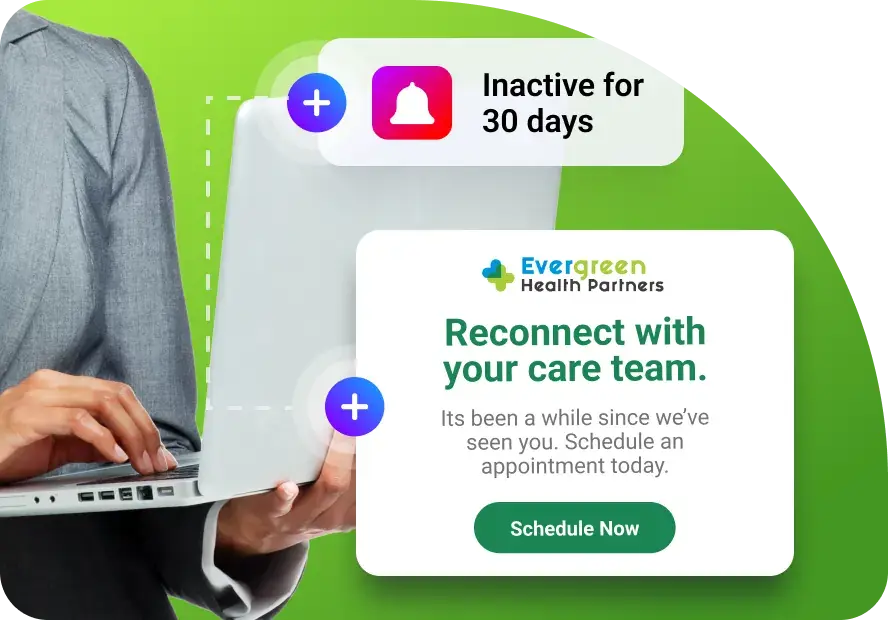
Ensure patients receive critical communications such as screening reminders, benefit changes or outreach for lapsed care right when it matters most.
Coverage & Plan Offers
Drive meaningful enrollment and encourage healthy actions by educating members and patients about Medicare or Medicaid plans, wellness benefits or new plan options.
Why is direct mail effective for healthcare?
Direct mail gives healthcare providers and payers the ability to reach patients and members with personalized
communications that consistently outperforms digital-only options for driving education and response in healthcare.
Trust & Tangibility
Physical mail stands out among healthcare communications through its physical presence. It conveys credibility, helps recipients retain important details and has been shown to prompt action on sensitive or complex info.
High Response Rates
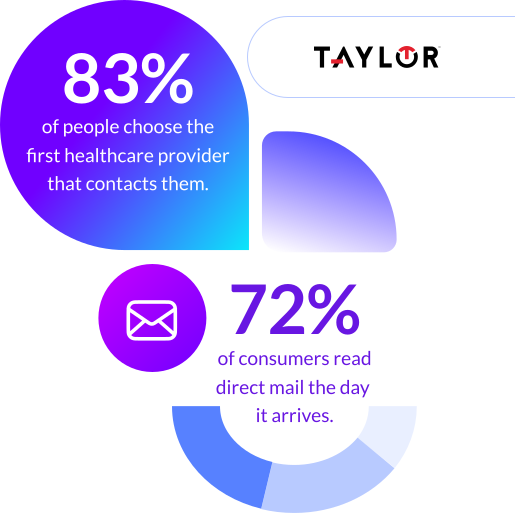
According to recent findings, more than 70% of consumers read direct mail the day it arrives, making it a highly impactful channel for time-sensitive healthcare communications, especially for preventive care, open enrollment and member engagement initiatives.
Personalization at Scale
Using advanced data-driven processes, healthcare marketers can tailor messages on a patient-by-patient basis, helping ensure clinical relevance, compliance and one-to-one communication for every audience segment.
Compliance-Ready
Crafted to meet HIPAA, HITRUST, SOC 2 Type II, CMS and state regulations, propriety workflows, audited mail streams and documented quality checks reduce risk and maintain compliance.
What are the different types of direct mail
for healthcare providers?
There is a wide range of direct mail formats that healthcare organizations can use to enhance response rates,
reinforce key information about care and wellness, and continually improve patient engagement strategies
for treatment, preventive care and plan enrollment.
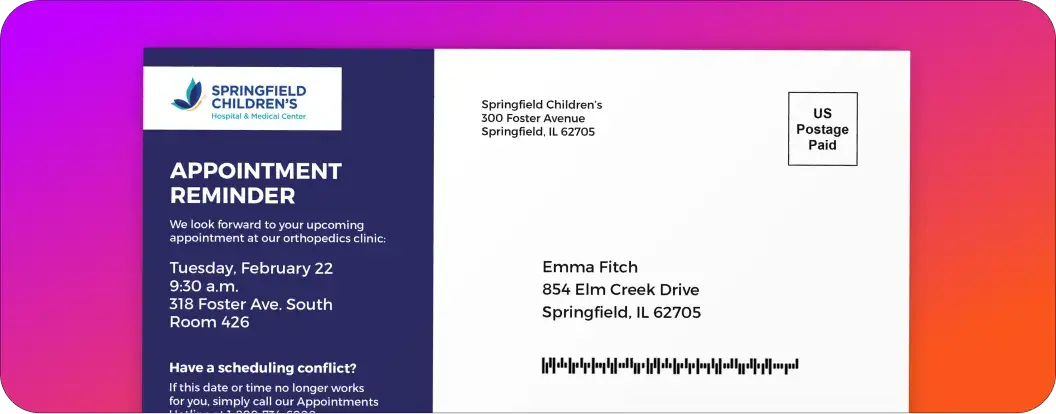
Appointment & Screening Reminders
Boost compliance with recommended care timelines by delivering proactive reminders for annual check-ups, vaccinations or routine screenings.
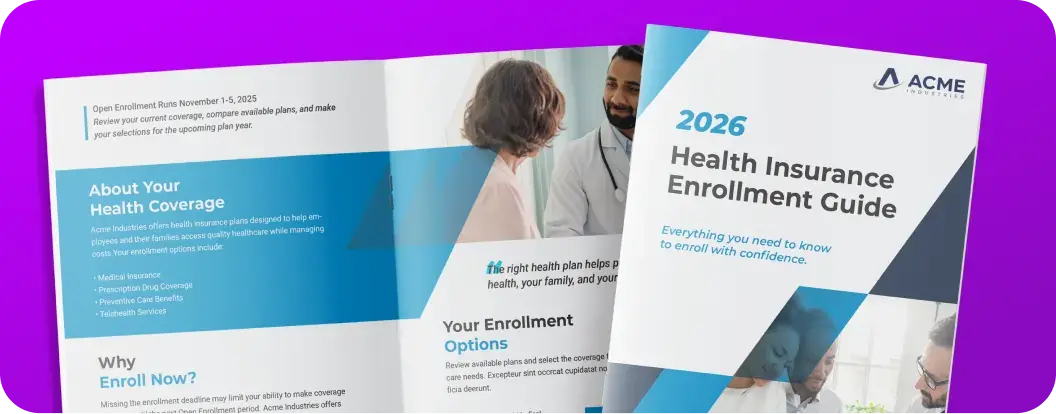
Open Enrollment & Plan Promotions
Drive awareness and encourage timely action during Medicare, Medicaid or commercial health plan open enrollment periods.

Wellness Program Outreach
Provide patients with information about wellness visits, chronic disease management, or nutrition and fitness initiatives.
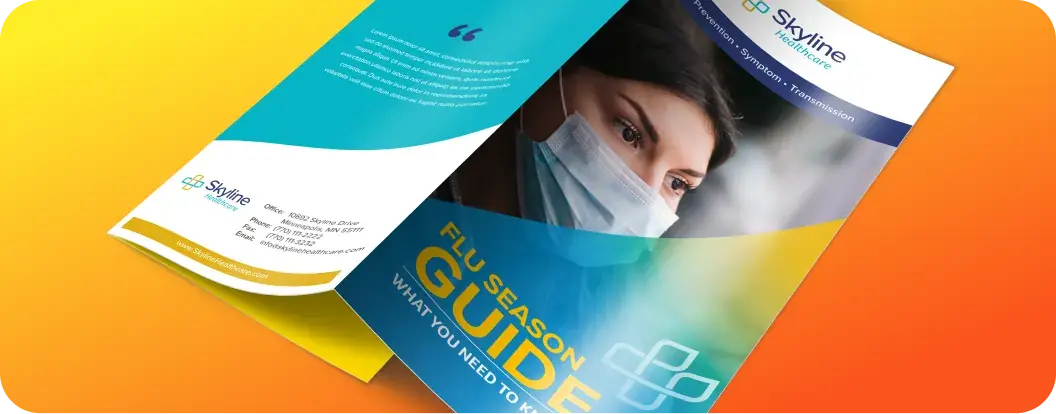
Educational Brochures & Newsletters
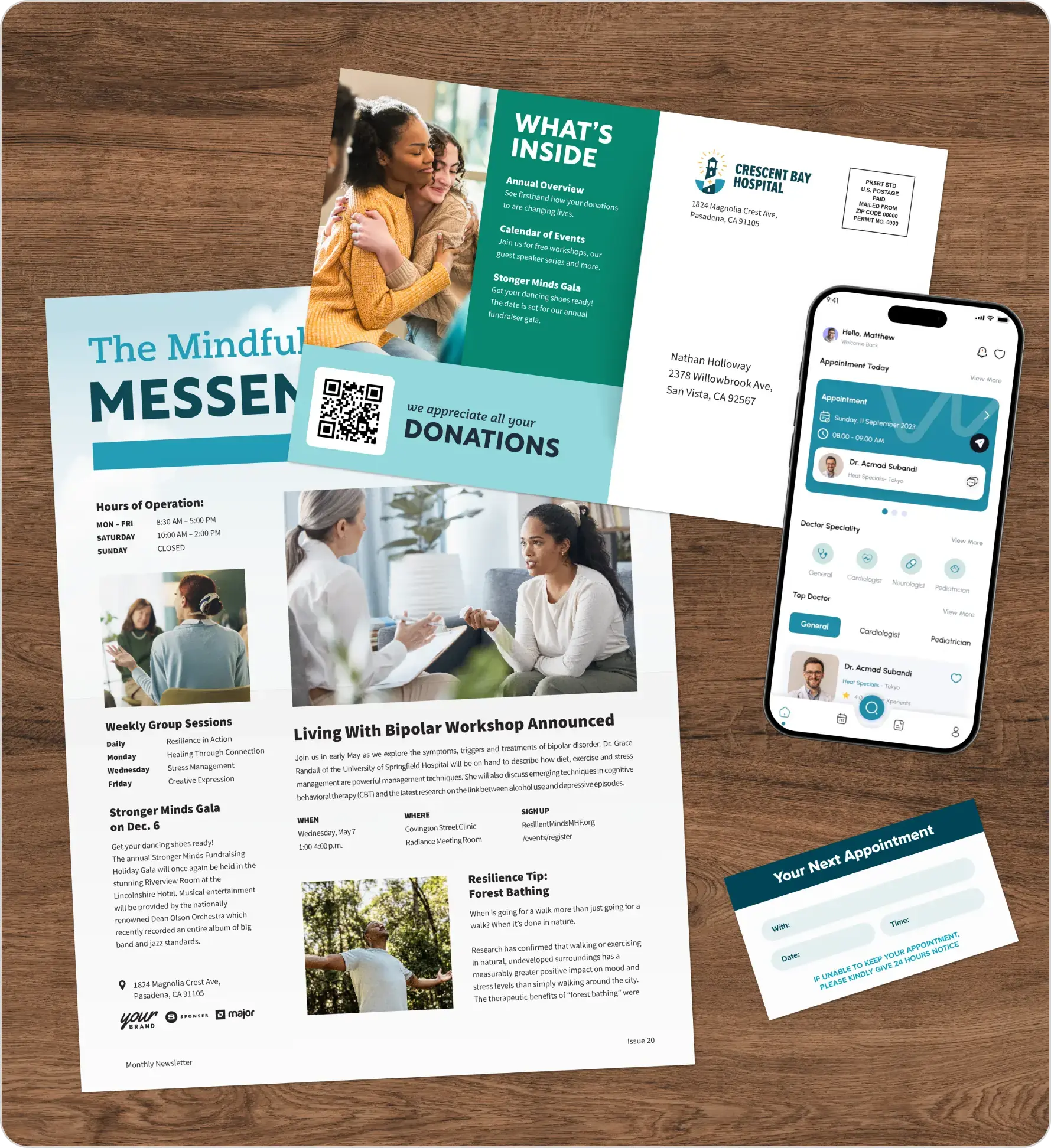
Deliver actionable health education and service spotlights including new physician announcements, new facility openings, formularies and more.
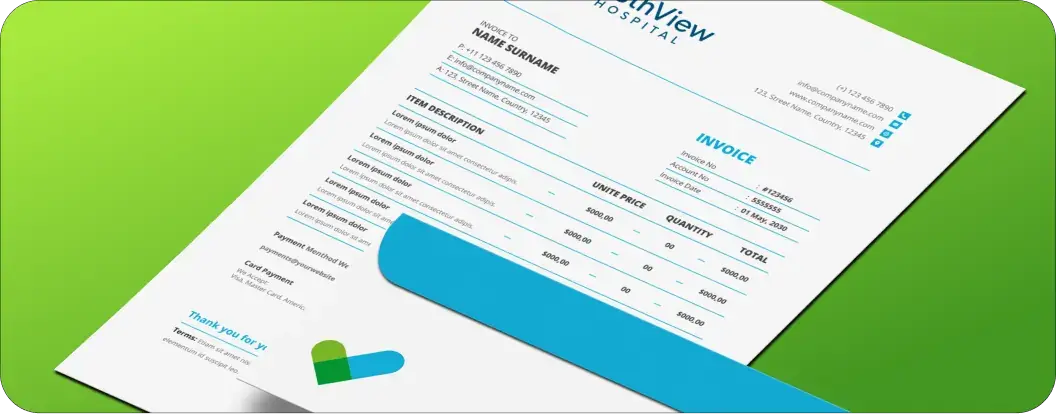
Statement Inserts & Benefit Updates
Give patients timely updates on benefits, resources and plan changes cost-effectively alongside regular correspondence.
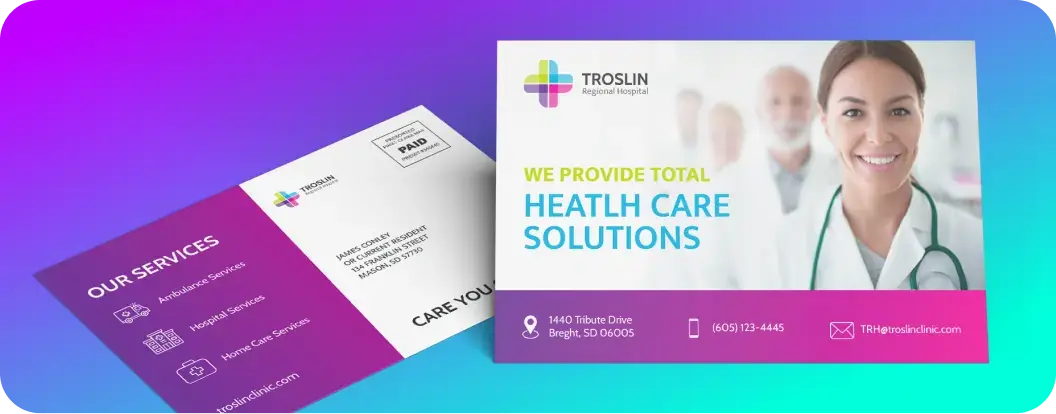
Postcards
Send quick notifications about location changes, providers accepting new patients, service updates, and advancements in treatment options.

Each healthcare direct mail piece can be customized with variable data, supporting nuanced targeting and personalization that delivers
the right message to the right patient every time.
How are data-driven direct mail
campaigns created?
Reaching patients and members at the right place and time isn’t based on luck. There
are ways to connect with them with timely, relevant care communications using
thoughtful data application and patient segmentation.
Patient Profiles
Leverage deep knowledge of patient demographics, clinical histories and lifestages to deliver personalized communication that encourages action.
Predictive Modeling
Use analytics to maximize campaign impact by identifying patients that will be in need of screenings, wellness visits or specific service lines.
Segmentation
Organize patients and members into contact groups based on condition, risk factors or recent engagement, informing both what you send and when you send it.
Real-Time Tracking & Analytics
Monitor mail progress and patient response rates to continually gain insights and optimize strategies for outreach, retention or care gap closure.
Patient Journey Mapping
Use data to determine where each patient is within their care process to ensure information is relevant to their specific condition, treatment plan and preventative reminders.
Your Healthcare Direct Mail
Automation Platform
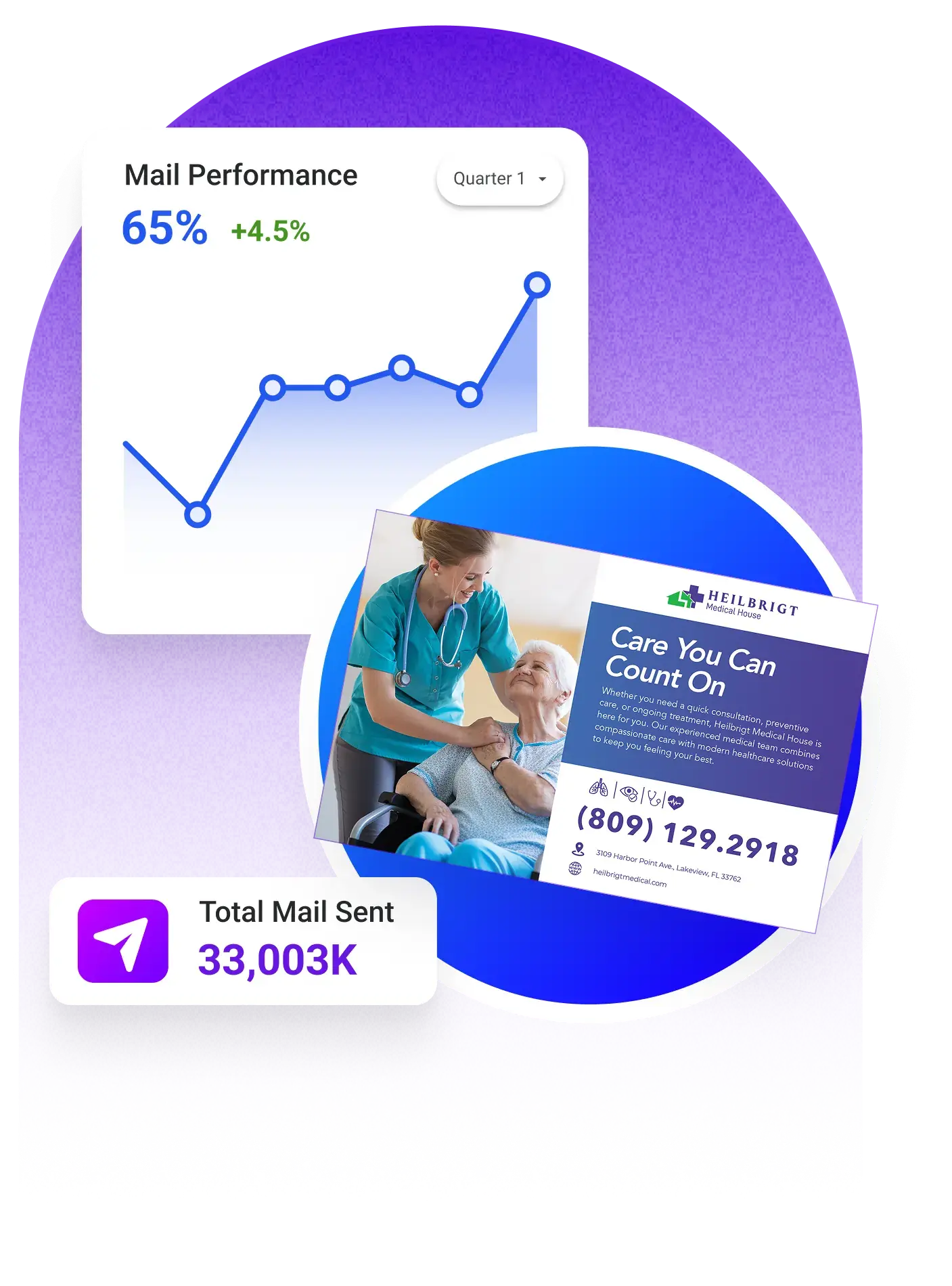
Taylor’s direct mail software can transform how you manage and distribute healthcare direct mail. From
secure data intake and creative development through printing, fulfillment, postage optimization, and
delivery tracking, solutions deliver end-to-end management all within a HIPAA-compliant workflow.
The Benefits of Direct Mail Automation
By automating your direct mail workflow with an all-in-one platform, you’ll have greater transparency and
accuracy in your direct mail efforts with real‑time access to data, campaigns and tracking.
Campaign Efficiency
-
 Easier campaign execution
-
 Faster access to results
Targeting & Insights
-
 Faster time-to-launch for urgent patient notifications
-
 More actionable insights that drive higher campaign ROI
Workflow, Reporting & Analytics
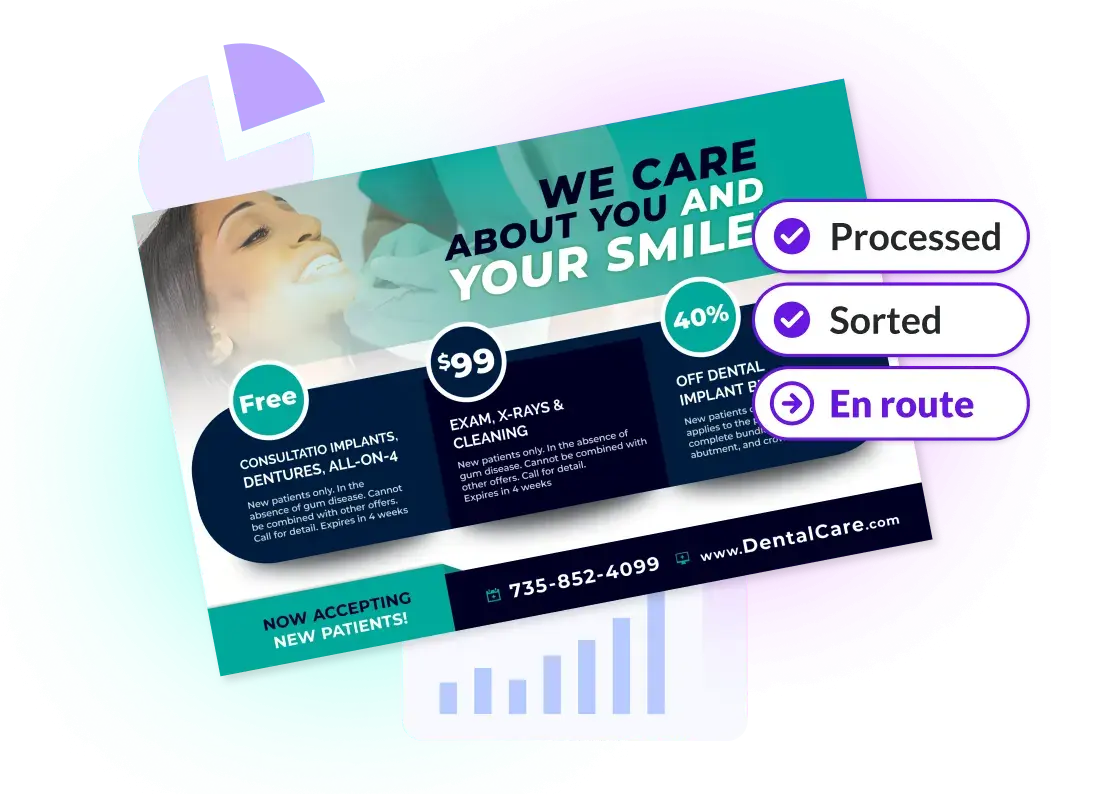
- Users have convenient and uninterrupted access to important info 24/7
- Comprehensive campaign tracking from intake to delivery
- Real-time production updates and delivery milestones
- Proof-of-mailing and HIPAA-required documentation
- Metrics on engagement, response, and program reach
How is patient data used to
find more healthcare members?
Healthcare providers use data-driven strategies to identify and engage members and potential
patients most likely to benefit or be in need of new health services or enroll in coverage.
New Mover
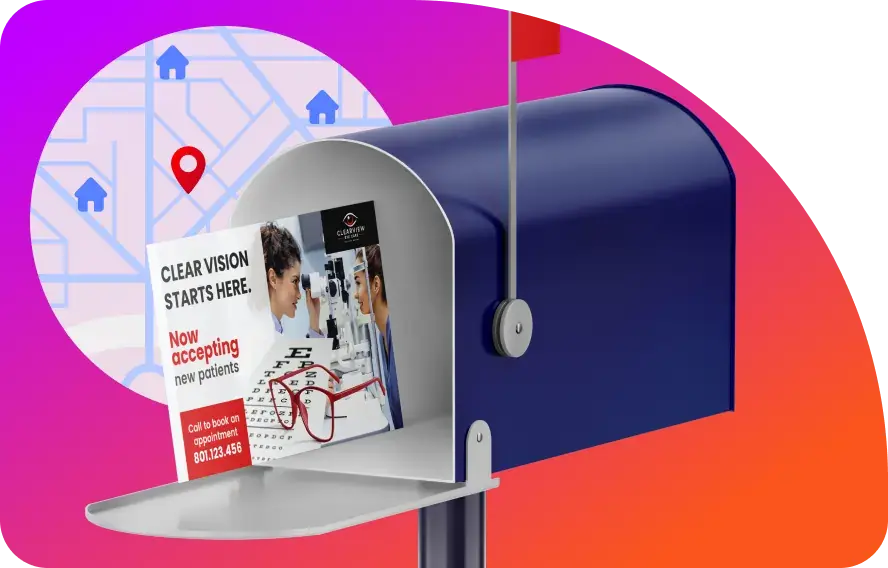
Recent movers and pre-movers are often actively searching for primary healthcare, dental or specialty providers.
Our program helps you reach movers 14 days sooner than other new mover sources, and we have access to verified pre-movers with current and future addresses a month in advance of a move.

How does data-driven direct mail improve
ROI for healthcare organizations?
Data-driven direct mail gives healthcare organizations the ability to significantly improve
their return on investment by enabling precise targeting and hyper-personalized
messaging that improve outcomes and meet evolving patient needs.
Engagement
Analytics power smarter segmentation and tailored communications, leading to improved appointment rates increasing medication adherence and encouraging participation in wellness programs through digital solutions like EHR patient portals.
Resource Management
Clinical and marketing resources are allocated efficiently, increasing patient communication levels while minimizing outreach to non-qualified audiences.
Flexibility & Scalability
Real-time data integration enables quick adjustments to campaigns, keeping messaging relevant for specific patient needs, treatment options, benefits and more.
Higher Visibility
Healthcare marketing teams benefit from performance monitoring and attribution, making it simple to track response and prove campaign value.
Enhanced Reporting
A data-driven approach gives healthcare providers the insights needed to refine campaign messaging. optimize patient segmentation and allocate resources where they deliver the most improvement.
Ensuring HIPAA Compliance in Healthcare Direct Mail
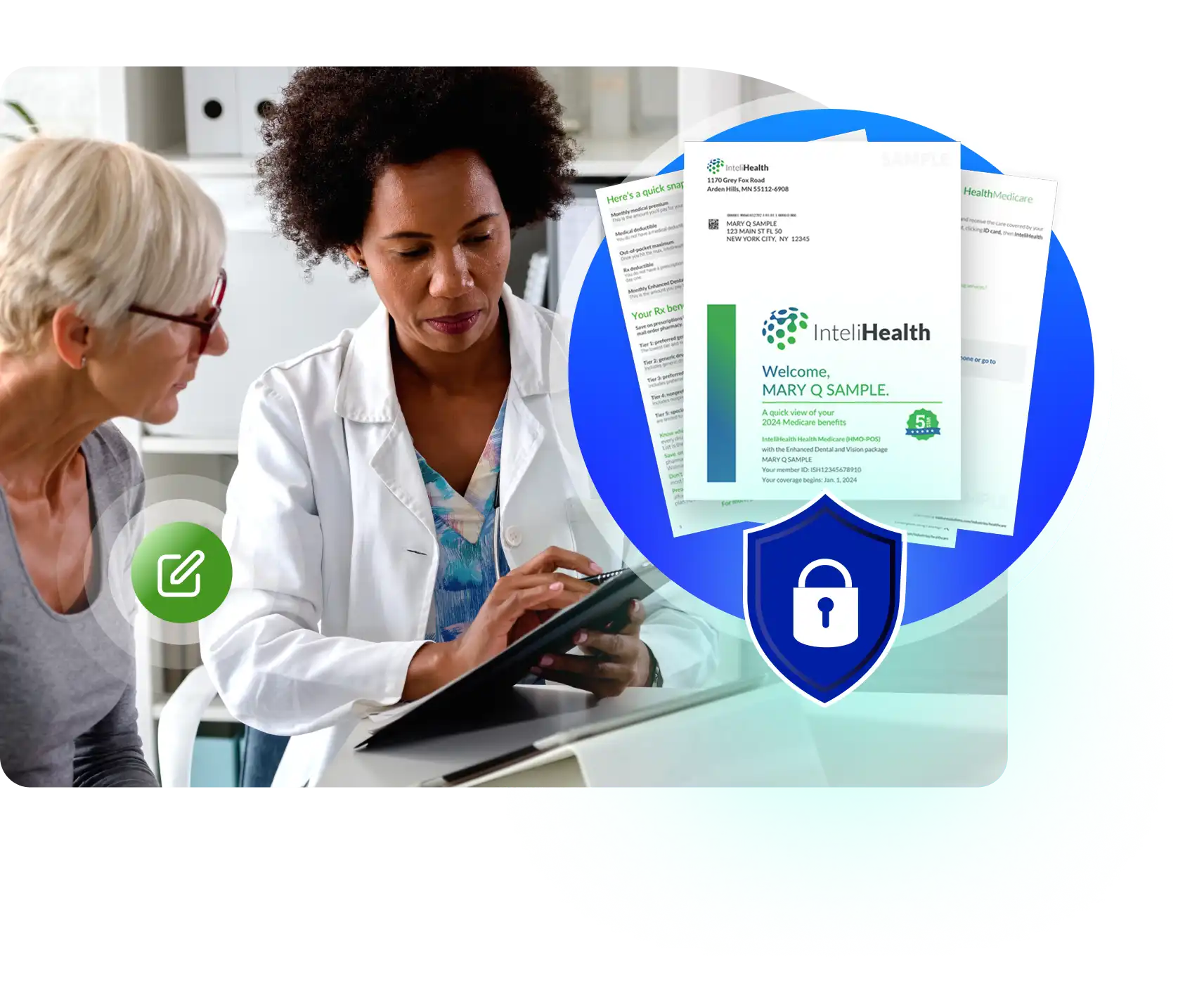
HIPAA is a law in the US that controls how healthcare information is shared, including in marketing. If your direct mail includes protected health information (PHI), you need to follow specific guidelines.
When evaluating a potential vendor for HIPAA-compliant direct mail or related healthcare marketing services, healthcare providers should follow a high-level checklist to ensure thorough due diligence before signing a Business Associate Agreement (BAA).



Limit Personal Health Details
Don’t include specific health conditions or treatments in your mail.

Secure Patient Consent
If your marketing involves PHI, make sure to get consent first.

Encrypt And Safeguard Data
Keep mailing lists and recipient information safe and secure.

Educate Your Staff
Make sure everyone involved in the campaign understands HIPAA rules.
Business Associate Agreements in
Healthcare Direct Mail Marketing
When selecting a direct mail provider, it’s crucial you choose one that delivers on the
requirements of a Business Associate Agreement (BAA).
What a BAA Must Have
To select a HIPAA-compliant direct mail vendor, confirm the vendor’s documented compliance program, including privacy and security policies and workforce training. The BAA should clearly define roles, PHI use and breach protocols.
This checklist helps healthcare marketers confidently evaluate direct mail partners, prioritize compliance and safeguard patient privacy while driving high-performing campaigns.

HIPAA Compliance Program
Confirm the vendor has a documented HIPAA compliance program, including privacy and security policies, incident response plans and ongoing workforce training.

Advanced Security Measures
Ensure industry-standard security measures are in place: encryption (data at rest and in transit), access controls, audit logs and regular vulnerability assessments.

PHI Protection Standards
Review the Business Associate Agreement (BAA) to verify clear PHI protection responsibilities, breach notification procedures and permitted PHI uses.

Secure Data Recovery
Verify robust disaster recovery and data backup capabilities are maintained to prevent data loss and protect patient info.

Trusted Healthcare Experience
Assess the vendor’s regulatory compliance history and request references from healthcare organizations that have used similar solutions.


How does direct mail integrate with
healthcare omnichannel campaigns?
Direct mail is a foundational channel for healthcare, but its power is amplified when it’s woven into a coordinated omnichannel strategy.
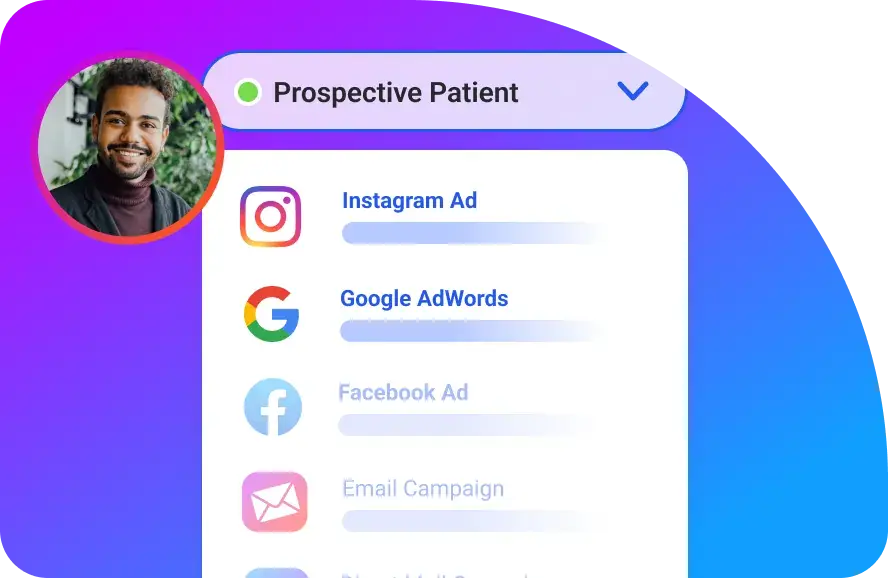
The best healthcare marketing strategies synchronize direct mail with email, SMS, online patient portals and digital ads to create seamless and compliant experiences.
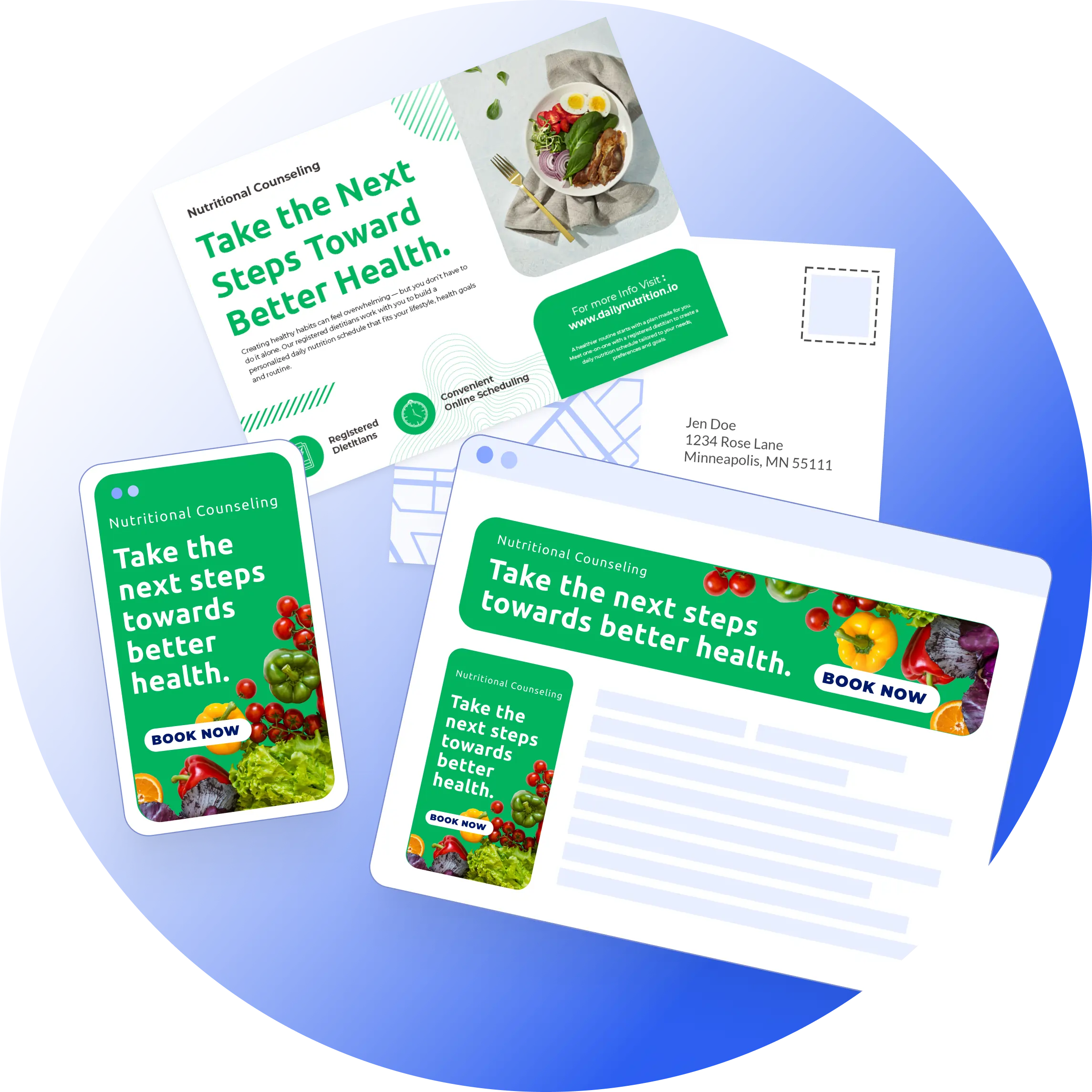
Targeted Direct Mail as Part of Omnichannel Strategies
Direct mail can trigger digital follow-ups, reinforce online campaigns and integrate with CRM workflows to ensure every patient journey is connected and cohesive.
Unified Engagement
Direct mail, email, SMS, patient portals and contact center outreach connect every patient touchpoint for more consistent engagement.
Customer Satisfaction
Coordinated communication channels increase accessibility and foster satisfaction by reaching patients through their preferred channel, improving health outcomes.
Digital Triggers
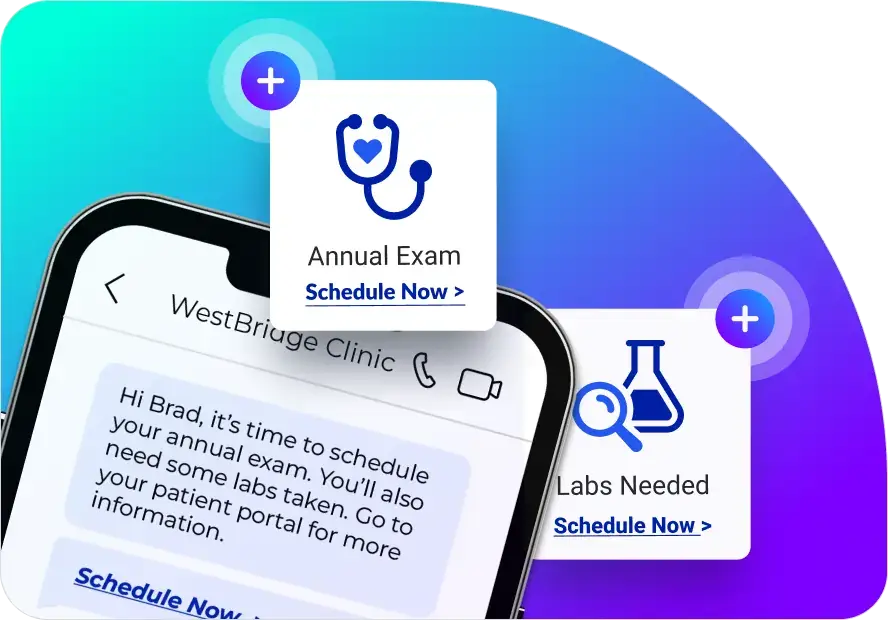
Sending emails or text reminders synchronized with mail delivery helps healthcare providers bridge the gap between printed and digital touchpoints.
Reinforced Messaging
Patients are able to receive consistent information across platforms, building trust and maximizing the recall of critical health communications.
CRM Integration
Integrating omnichannel outreach with compliant patient data systems allows for real-time tracking and personalized follow-ups.
Marketing Analytics
Rich analytics from omnichannel campaigns help healthcare marketers refine future strategies for even greater success.
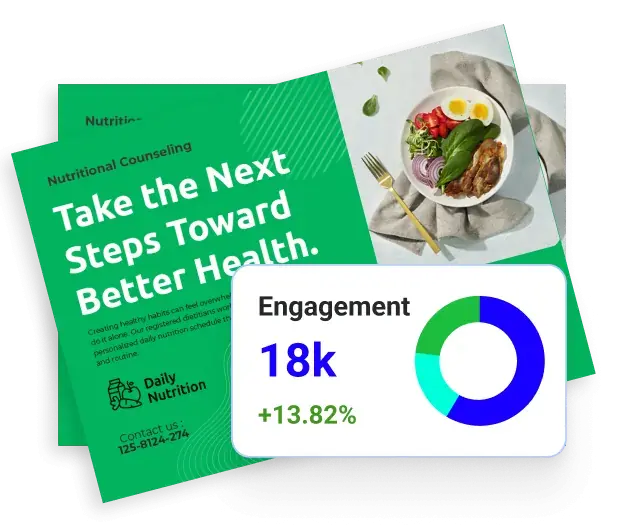
Patient Acquisition & Retention
Omnichannel Marketing for Healthcare
Patients’ lives are busy. Their attention is divided between physical, digital and mobile channels.
An omnichannel marketing strategy ensures your message is seen at the right moment.By coordinating direct mail with email, digital ads, patient portals and more, you build trust and
drive action at every stage of the healthcare journey.
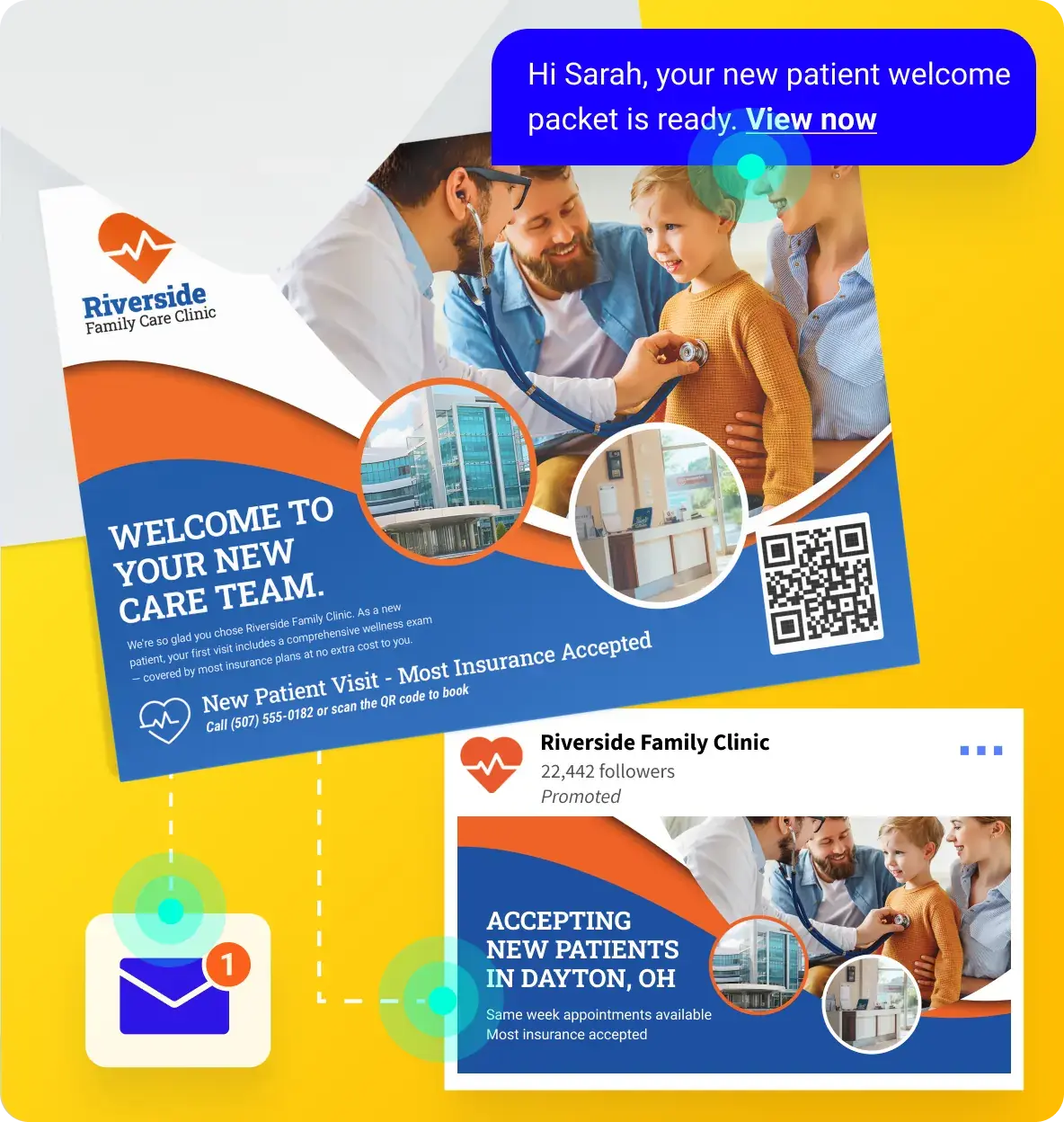
Direct Mail with Websites
Mailpieces can connect the physical and digital worlds when used to complement websites, patient portals and telehealth options.
QR Codes
Incorporating a QR code into a mailpiece connects patients directly to appointment scheduling, telehealth logins, or plan details. Different QR codes can be used to promote different offers to patient and member segments. These custom QR codes are easily tracked and measured, providing a rich source of response and ROI data.
PURLS
Personalized URLs (PURLs) can be printed onto a mailpiece that directs the patient to a unique website landing page, allowing you to communicate with patients and members on a one-to-one basis. The response and behavior data made possible by PURLs is tremendously valuable to the marketer for analytics.
Direct Mail with Email
Time campaigns so that patients receive an email shortly before or after their direct mail. Emails can be coordinated with mail delivery, alerting patients that information is on its way to their mailbox.
Direct Mail with Social Media
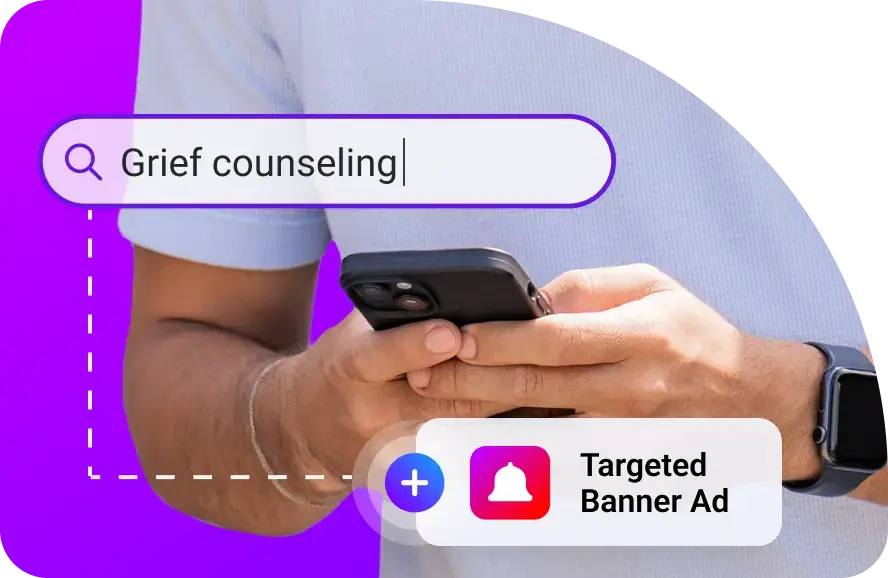
Marketers are notified when direct mail reaches recipients, enabling targeted paid social ads that reinforce critical messages and increase response levels.
Direct Mail & Digital Ads
Supplementing direct mail communications with digital and social ads can expand your campaign’s reach, improve conversion rates and support consistent messaging.
Direct Mail with SMS Text
Text messages drive high open rates and engagement, which doesn’t have to stay digital. Text offers can trigger personalized direct mail tailored to each recipient.
Direct Mail & Geofencing
Geofencing is a location-based technology that creates a virtual boundary around specific areas. Pairing direct mail with geofencing lets you deliver personalized messaging through both digital and direct mail campaigns using GPS, RFID, WiFi or cellular data when patients enter these areas.
