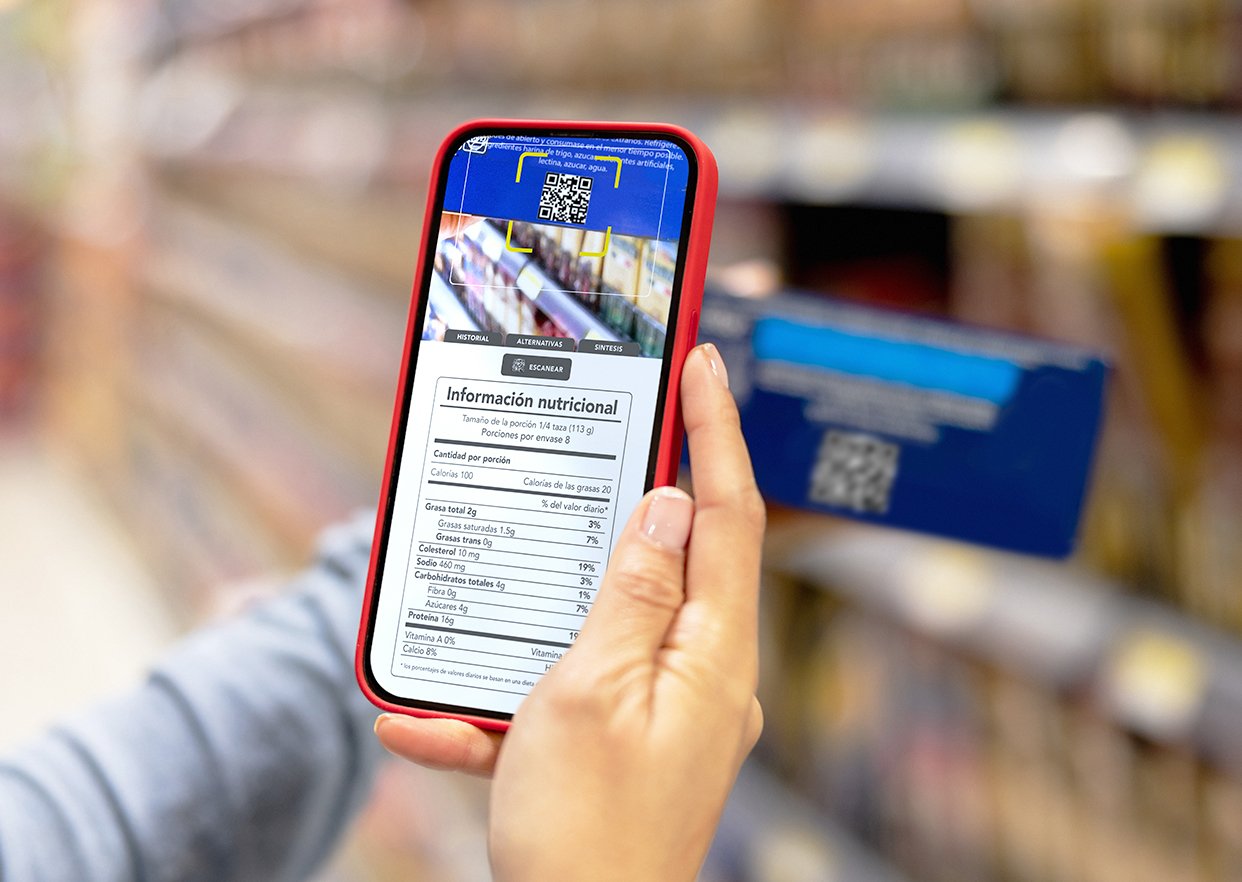
Nearly every consumer carries a smartphone capable of scanning a QR code, making product packaging a valuable digital touchpoint. What was once viewed as a simple bridge between printed materials and websites has become a core component of connected packaging solutions. Brands are increasingly using packaging QR codes to transform products into interactive marketing, information and engagement platforms.
At the same time, organizations face growing pressure to improve supply-chain visibility, validate product authenticity and collect meaningful customer insights. Traditional packaging can only communicate a limited amount of information, but QR codes allow brands to continuously expand and update digital content long after products have been manufactured and distributed.
As a result, QR code packaging solutions now serve multiple functions across marketing, operations, compliance and customer experience initiatives. Whether the goal is consumer engagement, product tracking, transparency or authentication, QR-enabled packaging can create measurable business value throughout the product lifecycle.
Keep reading to learn about the many benefits of QR codes on packaging and how different types of smart packaging technology are being implemented by businesses in a variety of industries.
- How can QR codes help track products throughout the supply chain?
- How do dynamic QR codes differ from static QR codes on packaging?
- How do QR codes on packaging improve customer engagement?
- What information should brands include behind a packaging QR code?
- What are the business benefits of connected packaging?
- Supply chain transparency
- Product traceability
- Product authentication
- Consumer engagement
- What are some real-world examples of QR code packaging solutions in use?
- Food and beverage brands
- Consumer electronics manufacturers
- Pharmaceutical companies
- Cosmetic brands
- Retail brand launches
- Digital product passports (DPD)
- What are the trade-offs to consider when using QR code packaging for product tracking?
- Increased engagement vs. cost of implementation
- Data collection vs. privacy
- Dynamic QR codes vs. subscription-based software
- At a high level, how do these alternative types of connected packaging solutions compare?
- Static QR codes
- Dynamic QR codes
- NFC labels and tags
- RFID labels and tags
How can QR codes help track products throughout the supply chain?
One of the most valuable applications of QR code packaging for product tracking is improved visibility throughout the supply chain. A unique QR code can be associated with a specific product, lot, batch, shipment or production run, creating a digital connection between physical goods and business systems.
When integrated with inventory management platforms or product traceability software, QR codes can help manufacturers and distributors monitor product movement through production, warehousing, distribution, retail locations and end-user delivery. Organizations can quickly determine where products originated, when they were produced, and how they moved through the supply chain.
These capabilities make track and trace packaging increasingly attractive for industries where quality control, recalls, compliance and transparency are critical — and underscore the importance of supply-chain visibility:
- Food
- Beverages
- Pharmaceuticals
- Healthcare
- Electronics
- Consumer goods
How do dynamic QR codes differ from static QR codes on packaging?
Static QR codes contain fixed information. Once printed, the destination URL or content cannot be changed without generating a new code and reprinting the packaging.
In contrast, dynamic QR codes for packaging point to a managed destination that can be updated at any time. A brand can redirect consumers to new landing pages, promotional campaigns, instructional videos or product information without changing the printed QR code itself.
Dynamic QR codes also enable reporting capabilities such as scan analytics, geographic insights, device information and campaign performance tracking. These analytics can help marketers understand customer behavior and optimize future engagement strategies.
How do QR codes on packaging improve customer engagement?
Consumers increasingly expect instant access to product information and digital experiences. QR codes allow brands to extend customer interactions beyond the moment of purchase by creating interactive packaging experiences that deliver relevant content on demand.
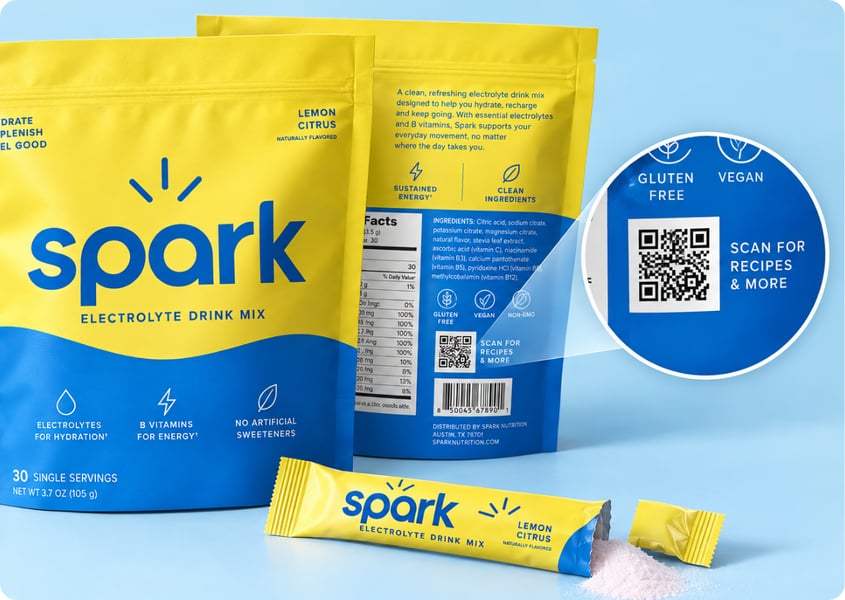
For example, a QR code can connect consumers to everything from product tutorials, recipes and detailed FAQs to loyalty rewards, special promotions and customer support resources. These experiences help transform packaging from a static container into a dynamic communication channel.
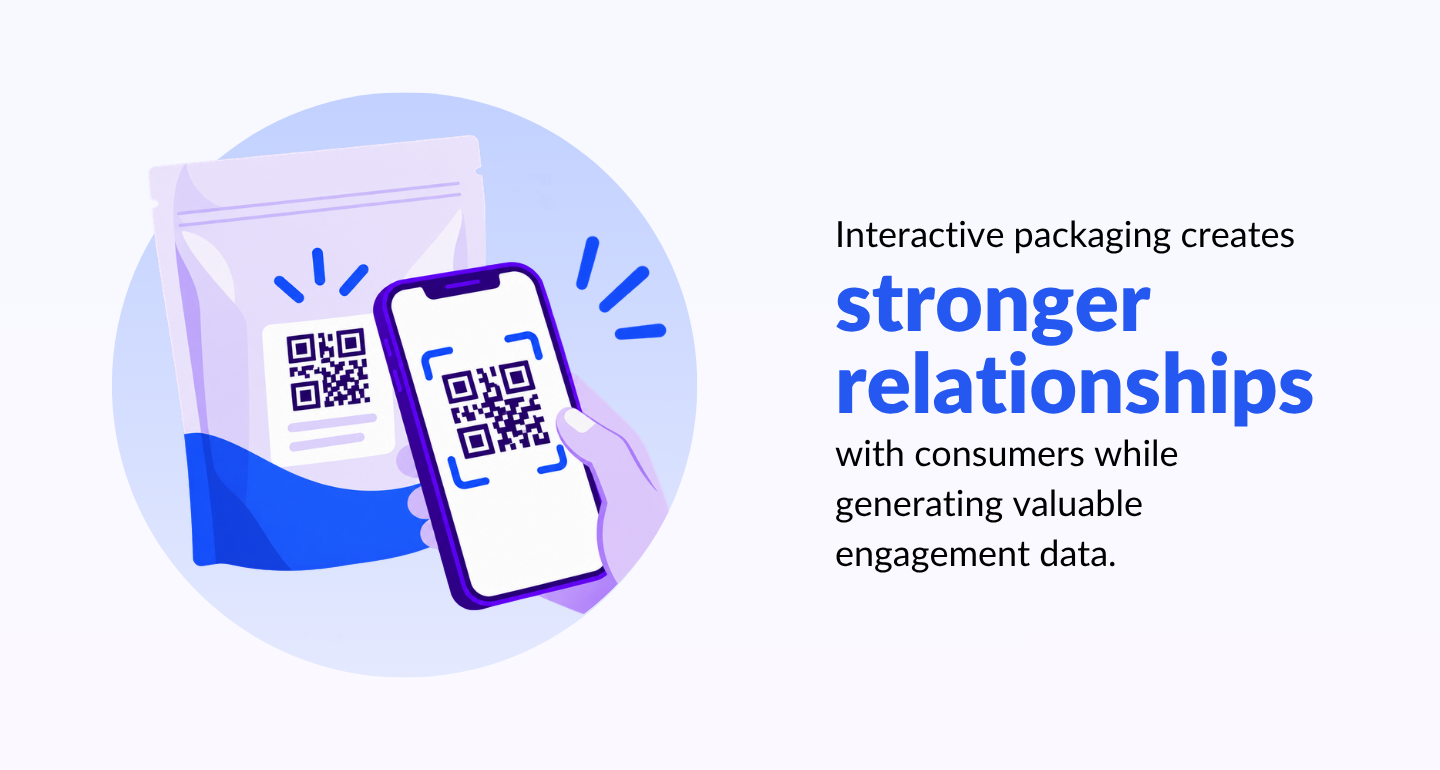
Many organizations are investing in interactive packaging with QR codes because it helps create stronger relationships with consumers while generating valuable engagement data. Through digital engagement packaging, companies can continuously refine messaging and content based on actual customer interactions.
What information should brands include behind a packaging QR code?
The most effective QR code experiences focus on delivering information that consumers find genuinely valuable. For this reason, brands should consider providing information such as:
- Product specifications
- Usage instructions
- Care information
- Troubleshooting resources
- Ingredients and material lists
- Warranty registration
- Sustainability details
- Customer support options
Organizations can also use product authentication QR codes to verify product legitimacy and help consumers avoid counterfeit goods. This is particularly valuable in industries where brand protection and consumer trust are major priorities.
Additional high-value content options may include the following, provided the content aligns with both customer needs and business goals:
- Promotional offers
- Loyalty programs
- How-to videos
- Surveys
- Social media connections
- Product registration tools
- Educational resources
What are the business benefits of connected packaging?
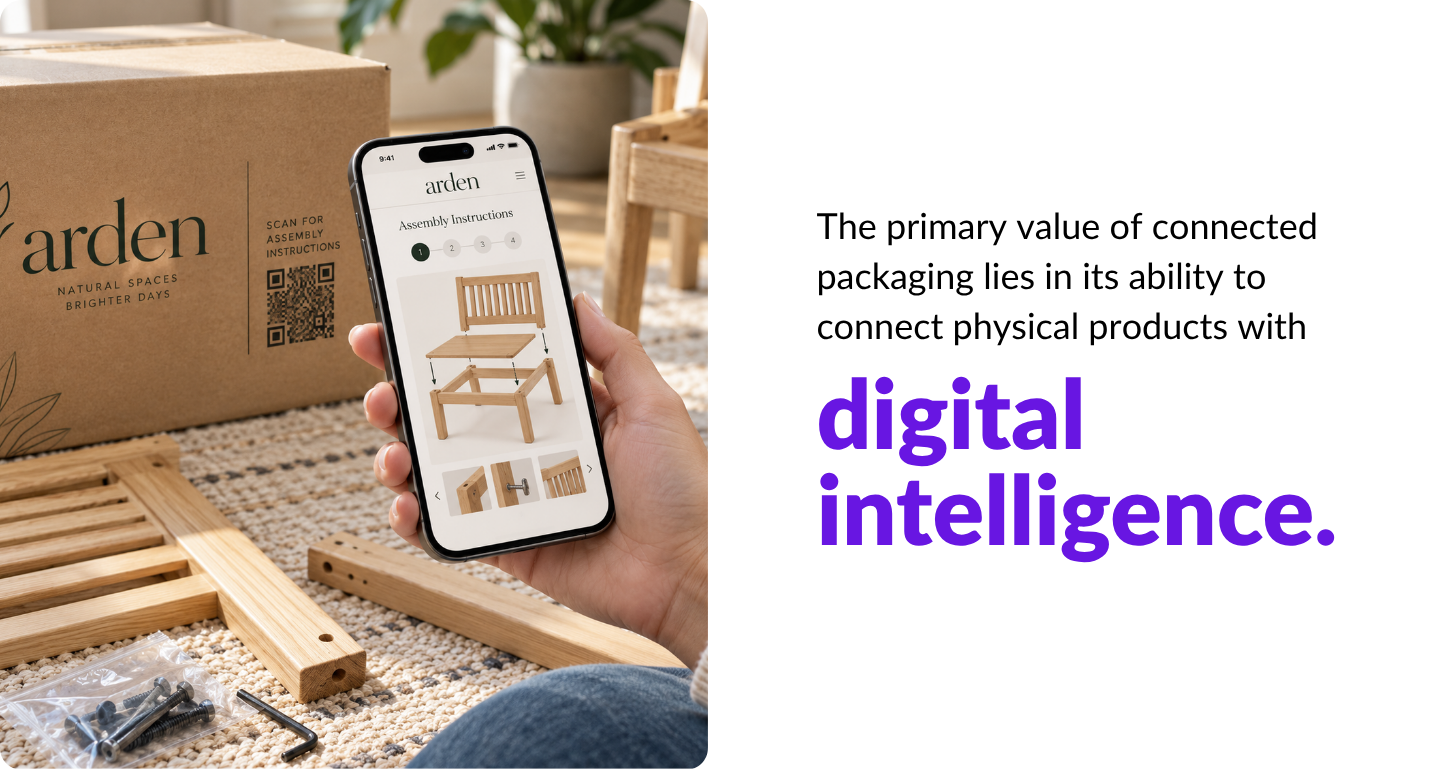
The primary value of connected packaging lies in its ability to connect physical products with digital intelligence. Instead of treating packaging as a one-time communication tool, brands can continue engaging customers throughout the product lifecycle.
Connected experiences also provide access to first-party data, which has become increasingly important as organizations seek alternatives to third-party tracking methods. QR interactions can help companies better understand consumer preferences, interests and engagement behaviors.
See below to learn how smart packaging technology can support operational improvements by enabling product tracking, authentication, regulatory compliance, sustainability communications and more.
Supply chain transparency
Consumers, retailers, regulators and business partners increasingly expect visibility into product origins and sourcing practices. QR codes can provide access to manufacturing information, sourcing details, certifications and sustainability initiatives. This additional transparency helps organizations build credibility while supporting responsible sourcing and environmental reporting initiatives.
Product traceability
Traceability is often essential for quality assurance, compliance and recall management. QR-enabled systems help manufacturers quickly identify affected products and track movement through distribution networks. When combined with product traceability software, QR codes can become an important component of broader supply-chain visibility programs.
Product authentication
Counterfeit products continue to create challenges across numerous industries. Product authentication QR codes can help verify product legitimacy and provide consumers with greater confidence in their purchases. Authentication systems may include unique identifiers, verification portals, serial numbers or secure digital records that confirm product origin.
Consumer engagement
As described above, consumer engagement extends well beyond product education. QR codes can support loyalty initiatives, personalized content, post-purchase support, community-building efforts and ongoing brand interactions. This makes digital engagement packaging an increasingly attractive investment for organizations seeking long-term customer relationships.
What are some real-world examples of QR code packaging solutions in use?
Many industries have adopted packaging QR solutions to improve customer experiences and operational performance. While implementations vary, several common patterns have emerged across sectors.
The most successful programs typically combine customer value, operational efficiency and measurable business objectives. Rather than functioning as standalone technologies, QR codes often support broader digital transformation and customer engagement strategies. Explore these everyday examples of connected packaging solutions and consider if any could apply to your own product and industry niche.
Food and beverage brands
Food and beverage companies frequently use QR codes to provide ingredient information, sourcing details, nutritional content, recipes, sustainability information and promotional campaigns. They also leverage QR code packaging for product tracking to support lot tracking and supply-chain monitoring initiatives.
Consumer electronics manufacturers
Electronics manufacturers often use QR codes for product registration, warranty activation, setup instructions, troubleshooting content and support resources. The ability to update digital content without changing physical packaging makes these implementations especially useful for long product lifecycles.
Pharmaceutical companies
Pharmaceutical manufacturers often use QR-enabled packaging to support patient education, product verification, safety information and authentication initiatives. These programs can also assist with compliance activities, serialization efforts and product tracking requirements.
Cosmetic brands
Cosmetic companies frequently use QR codes to connect consumers with tutorials, ingredient transparency information, product recommendations, sustainability content and loyalty programs. These experiences can strengthen consumer trust while providing additional opportunities for engagement.
Retail brand launches
Retail brands increasingly use QR codes to support everything from product launches, promotional campaigns and influencer partnerships to sweepstakes and omnichannel marketing efforts. By monitoring scan analytics, marketers can evaluate how customers interact with products and promotional materials across different markets and channels.
Digital product passports (DPD)
A digital product passport is a digital record associated with a product that may include:
-
-
Sourcing information
-
Materials
-
Certifications
-
Sustainability data
-
Repair information
-
Recycling guidance
-
Compliance details
-
Traceability records
-
In many cases, QR codes serve as the access point for these digital passports. As transparency expectations continue to grow, digital product passports represent an emerging use case for intelligent packaging and connected packaging solutions.
What are the trade-offs to consider when using QR code packaging for product tracking?
Although QR-enabled packaging offers many significant benefits, the most effective initiatives begin with clearly defined goals that align marketing, operational and customer-experience priorities. Be sure to compare the projected implementation requirements and long-term maintenance needs with your overarching business objectives before pursuing a QR code packaging solution.
Increased engagement vs. cost of implementation
Implementing QR code programs may require investments in content creation, software platforms, analytics tools, landing pages and ongoing program management. However, many brands find that the increased engagement and improved visibility justify these costs over time.
Data collection vs. privacy
QR interactions can generate valuable insights, but organizations must carefully manage customer data and maintain transparency regarding data collection practices. Consumers are more likely to participate when brands clearly communicate how information will be used and protected.
Dynamic QR codes vs. subscription-based software
Many advanced QR capabilities depend on proprietary software platforms that support content management, tracking and analytics. Organizations should carefully evaluate whether the flexibility and reporting capabilities of dynamic QR codes for packaging justify the ongoing subscription expenses.
At a high level, how do these alternative types of connected packaging solutions compare?
Not all product-connected technologies serve the same purpose and QR codes are not always the best solution in a given scenario. The right solution depends on business goals, user experience requirements, operational needs and budget considerations. See below to learn why many organizations ultimately deploy multiple smart packaging technologies simultaneously.
Static QR codes
Static QR codes are inexpensive and easy to implement. They are best suited for content that is unlikely to change throughout the life of the product. However, because they lack advanced analytics and editing capabilities, they are generally less flexible than modern QR code packaging programs.
Dynamic QR codes
Dynamic QR codes provide greater flexibility, stronger analytics and easier content management. They support changing destinations, campaign tracking and enhanced reporting capabilities. For most marketing-oriented smart packaging QR code solutions, dynamic codes offer the best balance of functionality and usability.
NFC labels and tags
NFC labels and tags enable consumers to access content through a simple tap rather than a camera scan. These technologies are often used at the point of sale for premium brand experiences, authentication, product registration and loyalty programs. Marketing-oriented NFC deployments can deliver highly polished user experiences. On the other hand, they generally cost more than conventional QR implementations.
RFID labels and tags
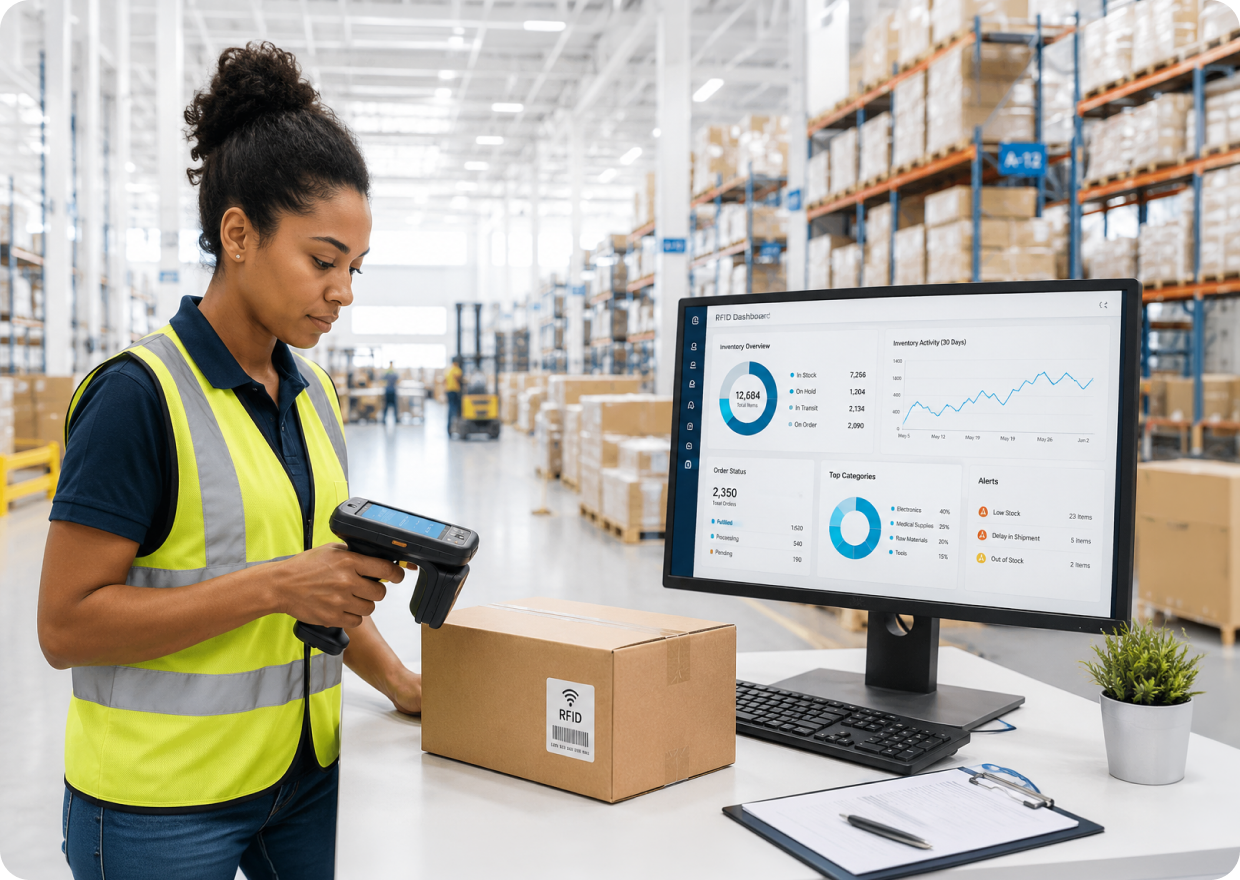
Unlike QR codes, RFID tags can typically be read automatically without a direct line of sight. For this reason, RFID labels and tags are particularly advantageous when used for inventory management, asset tracking, warehouse operations and supply-chain visibility.
Thus, while RFID excels at operational tracking, QR codes typically provide a more accessible consumer-facing experience. As a result, many organizations combine RFID with artificial intelligence (AI) and QR code and NFC smart packaging initiatives to create end-to-end visibility across both customer-facing touchpoints and backend operational processes.
Taylor: Smart packaging QR code solutions for consumer brands
Many prominent brands throughout the consumer packaged goods industry look to Taylor for their packaging and labeling. This includes the various types of smart packaging and custom RFID labeling solutions described above.
Everything needed to create effective connected packaging solutions is available through one partner including:
- Materials science expertise related to label substrates, liners and topcoats
- Precise QR code and barcode printing technology
- Software and hardware integration know-how
- In-depth knowledge of ever-changing regulatory requirements
- Sustainability-minded material options, and more
Looking for a vendor partner who can help you realize the business benefits of QR codes on packaging? Contact Taylor to learn about our custom QR code packaging solutions.