
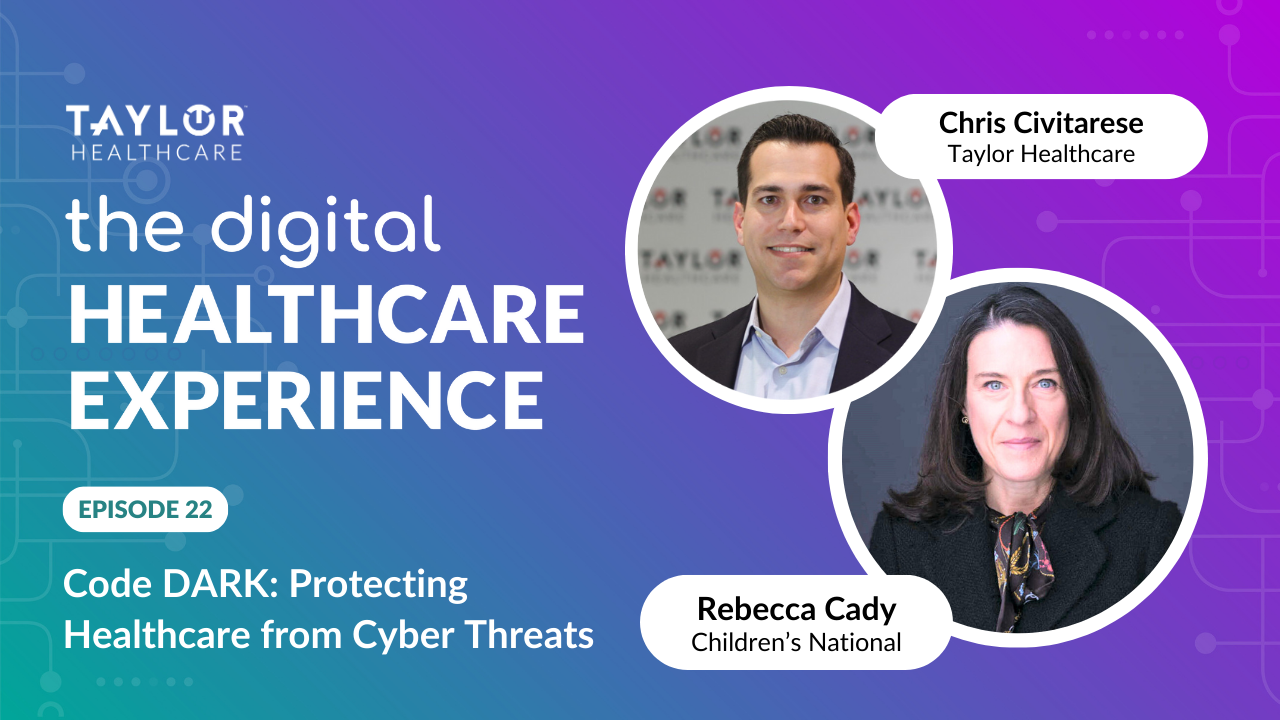
Rebecca Cady, Vice President and Chief Risk Officer at Children’s National Hospital in Was...
Podcast
Healthcare organizations are one of the top targets for ransomware attacks because of the high value of patient data and the operational pressure to stay online.
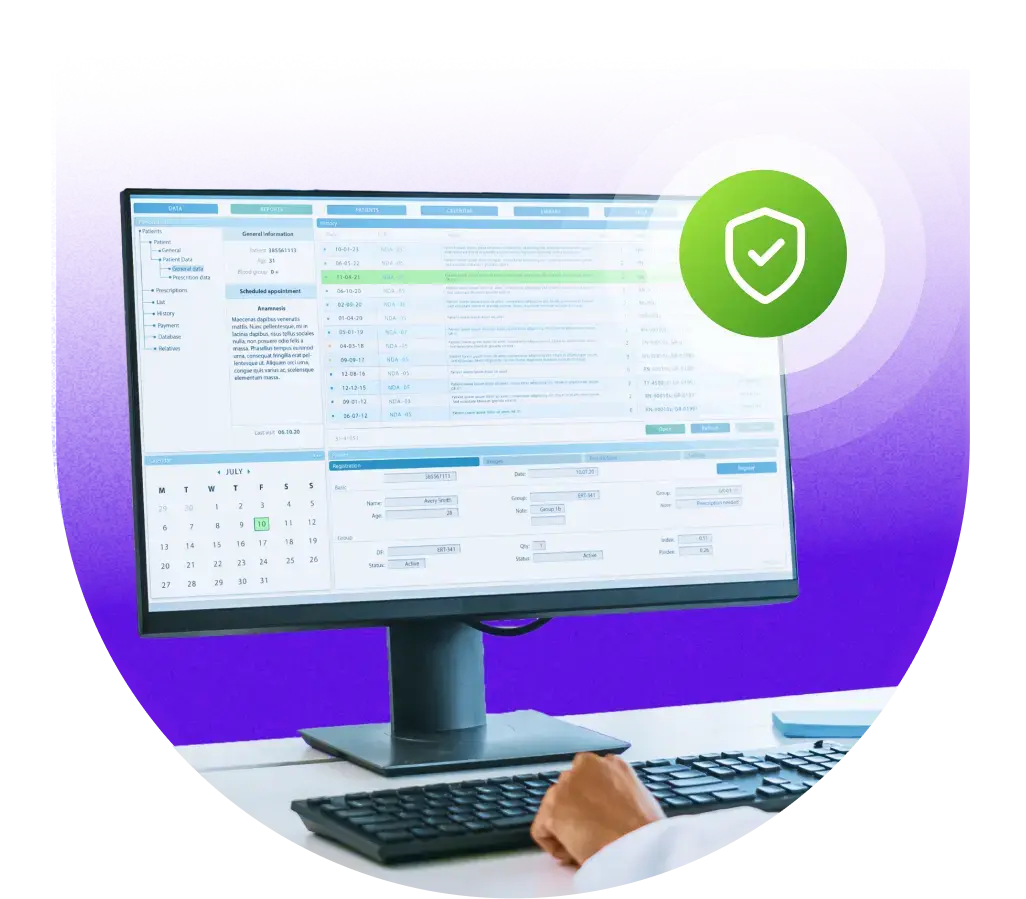

Your goal should be to make a ransomware attack as difficult as possible for the perpetrators. Our 10-point strategy is designed to reduce your health system’s vulnerability and maximize cybersecurity measures that must be overcome before an attack can even be attempted.
Even though ransomware attacks are common for healthcare providers, documentation has been limited. Our white paper provides you with case studies that show how health systems were able or unable to address the impact of a ransomware attack.
Disasters can and will happen at some point in a healthcare setting. Get the details on why being ready to execute a preparedness plan is mission-critical, and how the precautions in this paper apply to ransomware attacks and any other downtime event.
The latest news, technologies and resources from our team.
Rebecca Cady, Vice President and Chief Risk Officer at Children’s National Hospital in Was...

Hospitals and clinics are prime targets for ransomware attacks and system back-up strategi...

The severe impact of IT downtime on healthcare delivery drives five strategies to prepare ...

COVID-19 is among the top five causes of the staffing shortage and burnout problem now fac...

Dr. Roger Smith reveals how AI and robotics are transforming surgery—real-time insights, s...

Downtime documentation readiness tools help to manage EHR downtime costs during unplanned ...
