.jpg?width=1200&height=600&name=Blog%20Hero%20%E2%80%93%20Sustainability%20Cold%20Chain%20(1).jpg)
As global supply chains become more complex and consumer expectations rise, cold chain logistics solutions have emerged as a critical backbone for industries that depend on temperature-sensitive products. From pharmaceuticals and biologics to fresh food of every type, maintaining precise environmental conditions is essential to preserving product integrity, regulatory compliance and consumer safety. At the same time, the environmental impact of packaging waste, energy-intensive refrigeration and single-use materials is driving a fundamental shift in how businesses approach temperature-controlled shipping.
This tension has led to the rise of sustainable cold chain packaging — defined as eco-friendly temperature-controlled packaging that preserves product integrity while reducing environmental impact. The challenge for organizations is to balance performance, cost and sustainability without compromising the effectiveness of the cold chain.
Keep reading to learn how to reduce environmental impact in logistics. In particular, we will explore the thermal packaging solutions used for cold chain management:
- What is meant by “cold chain logistics?"
- What is temperature-controlled packaging?
-
- Common examples of temperature-control methods
- When are thermal packaging solutions needed?
- Shipping temperature-sensitive products
- Maintaining strict temperature ranges
- Recurring or closed-loop distribution systems
- Long-distance or last-mile deliveries requiring insulation
- What is sustainable cold chain packaging?
- What makes cold chain packaging eco-friendly or sustainable?
- What are the environmental trade-offs of common temperature-sensitive packaging methods?
- Sustainability vs. cost
- Thermal performance vs. material impact
- Weight vs. carbon footprint
- Durability vs. disposability
- Regulatory compliance vs. material flexibility
- Why is sustainability important in cold chain logistics?
- Real-world use cases of sustainable cold chain packaging
What is meant by “cold chain logistics?"
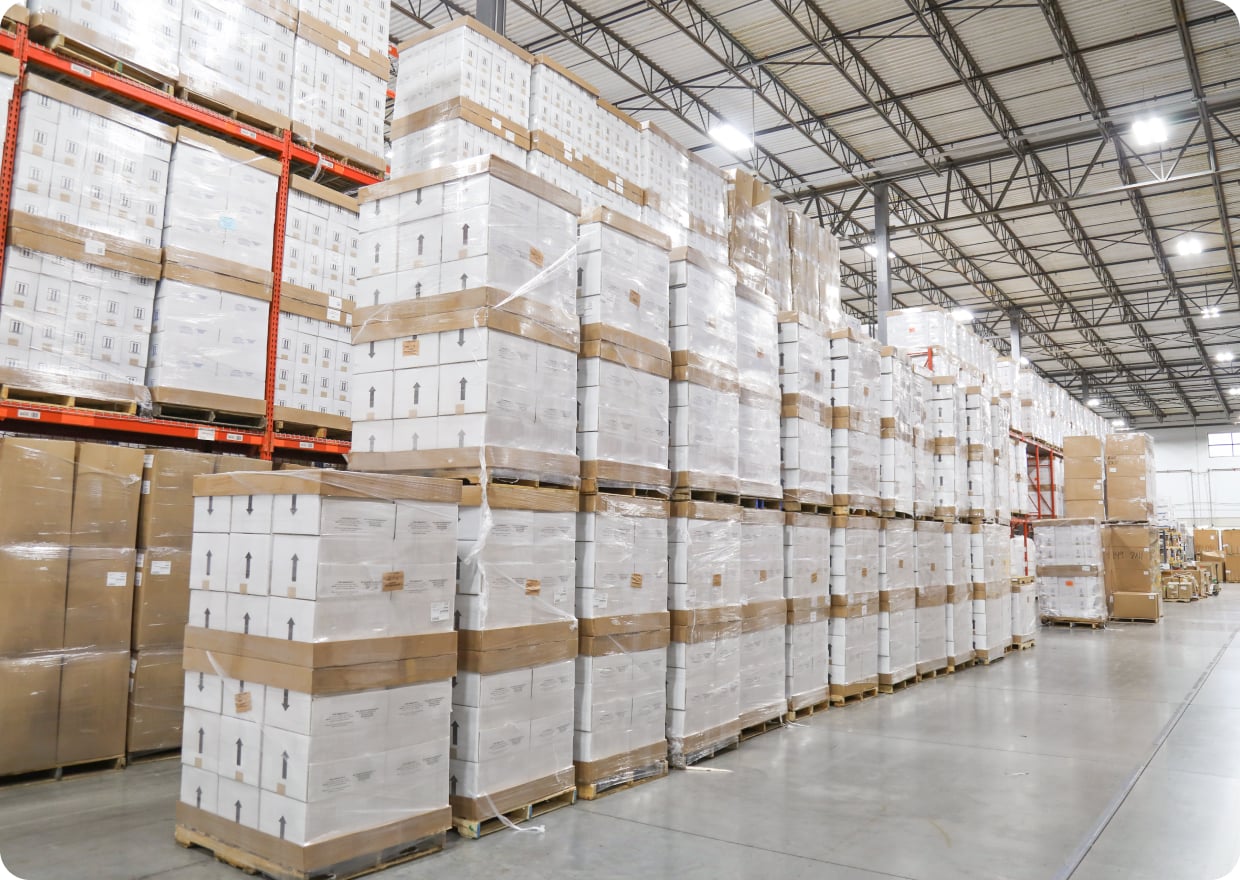
Cold chain logistics refers to a temperature-controlled supply chain that ensures products remain within a defined temperature range from production through distribution to final delivery. Products such as pharmaceuticals, vaccines, fresh produce and biologics depend on uninterrupted environmental control to maintain safety, quality and efficacy throughout transport and storage.
This system is not limited to refrigeration alone. It includes a coordinated network of pre-cooling, cold storage, insulated transportation and real-time monitoring technologies. Sustainable cold chain packaging plays a central role in this network by enabling temperature control when products are outside of actively refrigerated environments.
.jpg?width=1440&height=400&name=Blog%20Definition%20%E2%80%93%20Cold%20Chain%20Logistics%20(1).jpg)
What is temperature-controlled packaging?
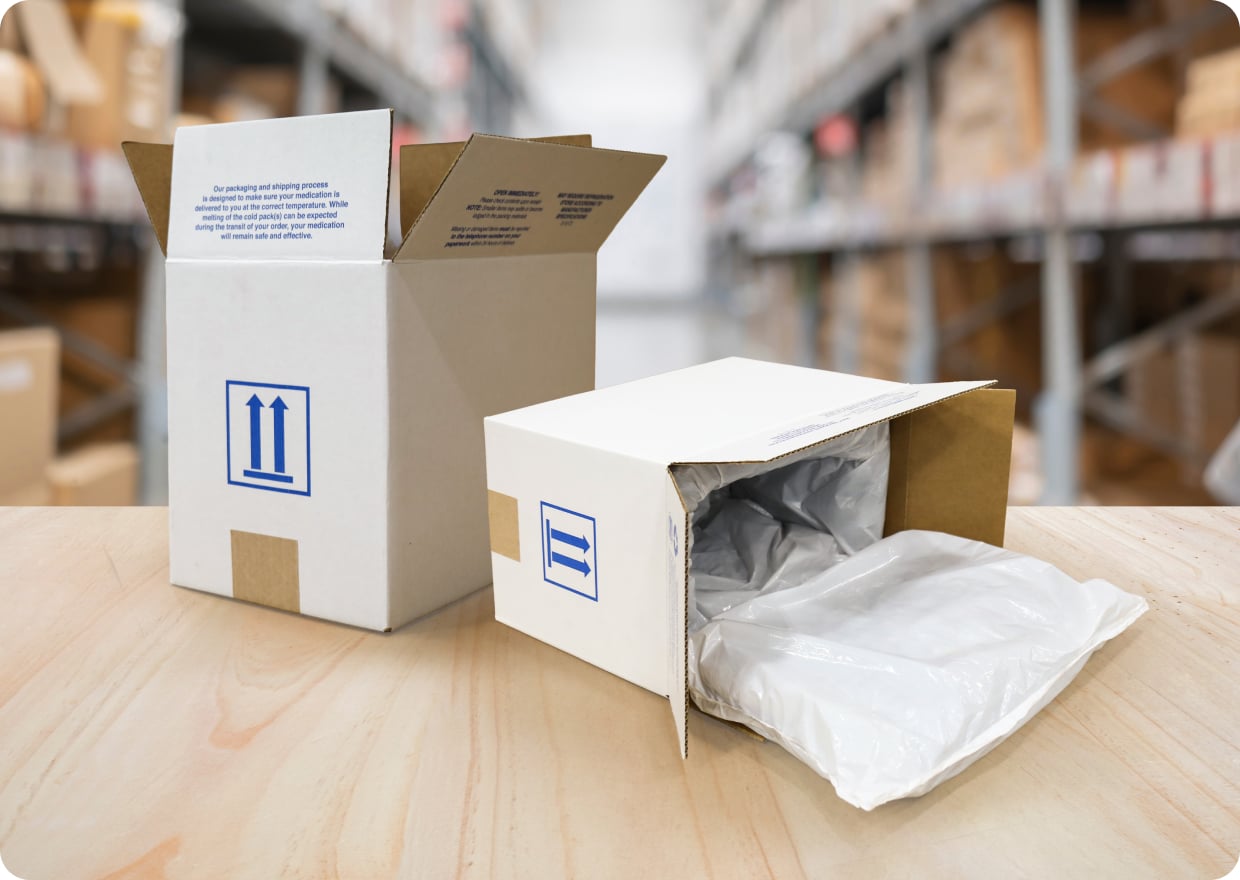
Temperature-controlled packaging refers to specialized packaging systems designed to maintain products at specific temperatures during storage and transportation. These solutions combine insulation materials and cooling agents to slow heat transfer and stabilize internal conditions.
In cold chain logistics, temperature-controlled packaging acts as the final protective barrier between sensitive products and external environmental fluctuations. It ensures that goods such as pharmaceuticals, food and biologics remain within acceptable temperature thresholds even during transit or last-mile delivery.
Common examples of temperature-control methods
Temperature-controlled packaging relies on a combination of insulation and cooling technologies to maintain required conditions. Insulated containers made from materials such as expanded polystyrene, polyurethane or vacuum insulated panels create thermal barriers that slow heat transfer.
Cooling agents such as gel packs, dry ice and phase change materials absorb or release heat to maintain stable temperatures. Dry ice provides ultra-low temperatures for frozen shipments, while phase change materials can be engineered to hold precise temperature ranges such as 2° to 8° Celsius for pharmaceuticals.
When are thermal packaging solutions needed?
Thermal packaging solutions are required whenever products must remain within a defined temperature range throughout their journey. These solutions are essential in industries where even minor temperature deviations can lead to spoilage, reduced efficacy or regulatory noncompliance.
Sustainable cold chain packaging enhances these solutions by reducing waste and environmental impact without compromising thermal performance. This is especially important as cold chain logistics solutions expand into direct-to-consumer delivery models and global distribution networks. Read below for four common scenarios that call for the use of temperature-sensitive packaging and thermal packaging solutions.
Shipping temperature-sensitive products
Temperature-controlled packaging is most commonly used for shipping temperature-sensitive products such as vaccines, biologics, insulin, diagnostic samples and perishable foods. These products require consistent environmental conditions to maintain their effectiveness or freshness.
Within sustainable cold chain packaging strategies, reusable and recyclable materials are increasingly used to protect these products while minimizing environmental harm. The goal is to ensure safe delivery without generating excessive waste.
Maintaining strict temperature ranges
Many temperature-sensitive products must remain within narrow temperature ranges, such as 2° to 8° Celsius for vaccines or below -18° Celsius for frozen foods. Even small deviations can result in product degradation or loss of efficacy.
Sustainable cold chain packaging solutions incorporate advanced insulation and phase change materials to maintain these strict ranges while reducing reliance on energy-intensive refrigeration or single-use materials.
Recurring or closed-loop distribution systems
Thermal packaging solutions are particularly beneficial in recurring or closed-loop distribution systems where shipments follow predictable routes between fixed locations. These systems are common in pharmaceutical distribution networks and healthcare supply chains.
Reusable cold chain packaging systems play a key role by allowing containers and cooling components to be returned, refurbished and redeployed multiple times. This significantly reduces waste and total lifecycle environmental impact.
Long-distance or last-mile deliveries requiring insulation
Long-distance shipping and last-mile delivery present significant challenges for temperature control, especially when products move outside refrigerated environments. Insulated packaging ensures that products remain stable even when exposed to variable external temperatures.
Sustainable cold chain packaging addresses these challenges by using lightweight, high-performance materials that reduce energy consumption during transport and lower the overall carbon footprint of the shipment.
What is sustainable cold chain packaging?
As described above, sustainable cold chain packaging refers to eco-friendly temperature-controlled packaging solutions designed to maintain product integrity while minimizing environmental impact across the supply chain. It extends the principles of sustainable packaging to the specific requirements of temperature-sensitive packaging products.
This approach focuses on reducing waste, using recyclable or renewable materials, and enabling reusable packaging systems while still meeting strict thermal performance requirements. The ultimate goal is to balance environmental responsibility with operational and regulatory demands.
What makes cold chain packaging eco-friendly or sustainable?
Cold chain packaging is considered sustainable when it reduces environmental impact across its entire lifecycle, from material sourcing and manufacturing to use and disposal. This often involves the use of recyclable materials, biodegradable insulation and packaging designs that minimize material usage.
Reusable cold chain packaging systems are another key element of sustainability. These systems allow containers and cooling components to be used multiple times, reducing waste and lowering total carbon emissions over the life of the packaging.
Eco-friendly cold chain packaging materials also play a critical role. Innovations such as fiber-based insulation, plant-based materials and recycled paper alternatives are replacing traditional foam materials, offering comparable thermal performance with improved environmental outcomes.
What are the environmental trade-offs of common temperature-sensitive packaging methods?
Despite advances in thermal packaging solutions, trade-offs remain between environmental performance and operational requirements. Consider the following trade-offs to select the most appropriate temperature-sensitive packaging solution for your use case.
Sustainability vs. cost
Sustainable materials and reusable systems often have higher upfront costs compared to traditional single-use packaging. However, these costs can be offset over time through reduced waste, lower disposal fees and improved operational efficiency.
Companies looking to embrace cold chain packaging sustainability best practices must consider total lifecycle cost rather than initial expense. Reusable systems in particular can deliver long-term savings when deployed at scale.
Thermal performance vs. material impact
High-performance insulated packaging made of materials such as polyurethane or vacuum insulated panels provide excellent temperature control but may have a higher environmental impact due to manufacturing processes or limited recyclability.
The goal of sustainable cold chain logistics is best achieved by striking a balance with materials that deliver sufficient thermal performance while reducing environmental harm. This may involve hybrid designs or new materials that combine efficiency with sustainability.
Weight vs. carbon footprint
Heavier packaging materials can improve insulation and temperature stability, but they also increase transportation emissions due to higher fuel consumption.
Lightweight sustainable materials help reduce shipping costs and carbon footprint while maintaining adequate thermal protection. Packaging design therefore plays a crucial role in optimizing both performance and sustainability.
Durability vs. disposability
Durable reusable packaging systems offer significant environmental benefits but require reverse logistics processes to return and reuse containers. Disposable single-use packaging is more convenient but generates more waste.
Cold chain sustainability, as a concept, emphasizes durability and reuse wherever possible, supported by logistics systems that enable efficient return and redistribution of packaging assets.
Regulatory compliance vs. material flexibility
Temperature-controlled packaging in industries such as pharmaceuticals must meet strict regulatory requirements related to safety, temperature validation and material performance.
These requirements can limit the use of certain sustainable materials, particularly if they have not been validated for regulatory compliance. Sustainable cold chain packaging must therefore balance innovation with adherence to industry standards.
.jpg?width=1440&height=700&name=Blog%20Image%202%20%E2%80%93%20Sustainability%20Cold%20Chain%20(1).jpg)
Why is sustainability important in cold chain logistics?
Sustainability is becoming increasingly important in cold chain logistics due to growing environmental concerns, regulatory pressure and consumer expectations. The cold chain consumes significant energy and relies heavily on packaging materials, making it a key area for environmental improvement.
Reducing waste, lowering carbon emissions and adopting eco-friendly materials are essential steps toward achieving supply chain sustainability. Sustainable cold chain packaging enables organizations to meet these goals while maintaining product integrity and operational efficiency.
Additionally, the benefits of sustainable cold chain packaging include enhanced brand reputation and compliance with evolving regulations related to packaging waste and carbon emissions. As industries such as pharmaceuticals and food face increasing scrutiny, sustainable solutions are becoming a competitive necessity rather than a differentiator.
Real-world use cases of sustainable cold chain packaging
Several industries are already adopting sustainable temperature-controlled packaging to improve environmental outcomes without compromising performance. The pharmaceutical industry is first and foremost among them. Sustainable pharmaceutical cold chain packaging solutions commonly include reusable shipping containers. Likewise, phase change materials are being used to transport vaccines and biologics while reducing waste and emissions.
Reusable cold chain packaging systems have demonstrated significant environmental impact reductions, including lower greenhouse gas emissions and decreased landfill waste compared to single-use alternatives. These systems are particularly effective in closed-loop distribution models where packaging can be returned and reused.
In the food and grocery sector, fiber-based insulation and recyclable liners are replacing foam coolers for meal kit and direct-to-consumer deliveries. These materials offer strong thermal performance while aligning with consumer demand for more sustainable packaging alternatives.
Sustainable materials innovations such as biodegradable insulation materials and recyclable shippers are also gaining traction in cold chain logistics. These solutions enable organizations to maintain strict temperature control while improving end-of-life outcomes for packaging materials.

Taylor: Reusable Cold Chain Packaging Solutions
Taylor has provided a wide range of cold chain thermal packaging solutions for more than 20 years. As one of North America’s most trusted suppliers of temperature-controlled packaging, we take pride in delivering custom cold chain logistics solutions including:
- Ambient temperature storage products shipped from Taylor warehouses, third-party logistics partners, or direct-shipped from supplier partners.
- A national freezer network for freezing gel packs as a refrigerant for medicines, vaccines and other temperature-controlled products.
This expertise extends to the more sustainable cold chain packaging solutions described in this blog. All of the following — and more — are available through Taylor.
- Biodegradable EPS coolers commonly used in cold chain distribution for pharmaceuticals
- Custom-designed wood-based cold chain coolers
- Corn- and starch-based cold chain insulated containers
- Drain-safe cold chain gels
Looking for an industry partner who can help you adopt cold chain packaging sustainability best practices? Contact Taylor to learn more about our expertise with the more eco-friendly cold chain packaging materials described above.