Packaging is undergoing a profound transformation. Rising consumer awareness, sustainability commitments and regulatory requirements are prompting businesses across virtually every industry to reassess how products are packaged, shipped and recovered at end of life.
For procurement teams, packaging engineers, operations managers and brand leaders, the challenge is not simply selecting greener materials. Success requires balancing cost, functionality, customer expectations, supply chain performance and environmental impact. Keep reading to learn about the key environmentally friendly packaging trends and concepts, and what trade-offs you must consider when sourcing eco-friendly packaging solutions.
- What is eco-friendly packaging?
- What makes packaging sustainable?
-
- Sustainable packaging materials
- Compostable packaging
- Reusable packaging
- Circular economy packaging
- What are the benefits of eco-friendly packaging for businesses?
- What are some real-world examples of eco-friendly packaging applications?
-
- E-commerce retailers reducing packaging waste
- Consumer goods manufacturers using recycled content
- Food brands switching to recyclable packaging
- What are the best eco-friendly packaging material solutions for businesses?
- What is extended producer responsibility (EPR) all about?
- How do sustainability regulations like EPR affect product packaging?
- What are the key trade-offs to consider when evaluating sustainable packaging solutions?
-
- Sustainability vs. cost
- Recyclability vs. product protection
- Compostable vs. widely recyclable materials
- Packaging reduction vs. customer experience
What is eco-friendly packaging?
The answer to “what is eco-friendly packaging” begins with reducing environmental impact throughout a package's lifecycle. Environmentally responsible packaging is designed to minimize waste, conserve resources and lower emissions while still protecting products and supporting business operations.
Modern eco-friendly packaging solutions may incorporate recycled content, renewable resources, recyclable structures, reusable systems or compostable materials. The ultimate goal is to reduce the environmental footprint associated with manufacturing, transportation, usage and disposal.
What makes packaging sustainable?
Answering the question “what is sustainable packaging” requires looking beyond a single environmental attribute. Sustainable packaging considers the entire lifecycle of a package, from raw material sourcing and production through transportation, usage and end-of-life management.
Truly sustainable packaging seeks to optimize environmental performance while maintaining functionality and economic viability. Organizations evaluating sustainable packaging solutions for businesses should consider factors such as:
- Material efficiency
- Recyclability
- Carbon impact
- Reuse potential
- Transportation efficiency
- Waste reduction
Make sure you understand the differences between the following concepts before moving forward.
Sustainable packaging materials
Many organizations begin their sustainability journey by transitioning to more environmentally responsible materials. Common sustainable packaging materials include recycled paperboard, corrugated packaging with high recycled content, post-consumer recycled plastics and responsibly sourced fiber products.
Material selection should align with product requirements, transportation conditions and recovery infrastructure. The most sustainable option is not always the newest material. In many applications, widely recycled materials may provide greater environmental benefits than alternatives with limited recovery pathways.
Compostable packaging
Compostable packaging is designed to break down into natural elements under specific composting conditions. These materials are commonly made from plant-derived resources such as corn starch, cellulose or other bio-based feedstocks.
Organizations considering compostable packaging must evaluate local composting infrastructure before implementation. A compostable package can only deliver its intended environmental benefits when consumers and waste management systems have access to appropriate composting facilities.

Reusable packaging
Reusable packaging systems are designed for multiple use cycles rather than a single trip from manufacturer to customer. Examples include reusable totes, durable shipping containers, returnable transit packaging and refillable product packaging systems.
These systems can significantly reduce material consumption over time. However, successful reuse programs depend on effective collection networks, reverse logistics processes and sufficient reuse cycles to offset the resources required to manufacture more durable packaging.
Circular economy packaging
Circular economy packaging focuses on keeping materials in productive use for as long as possible. Rather than following a traditional take-make-dispose model, circular systems emphasize reuse, remanufacturing, recycling and resource recovery.
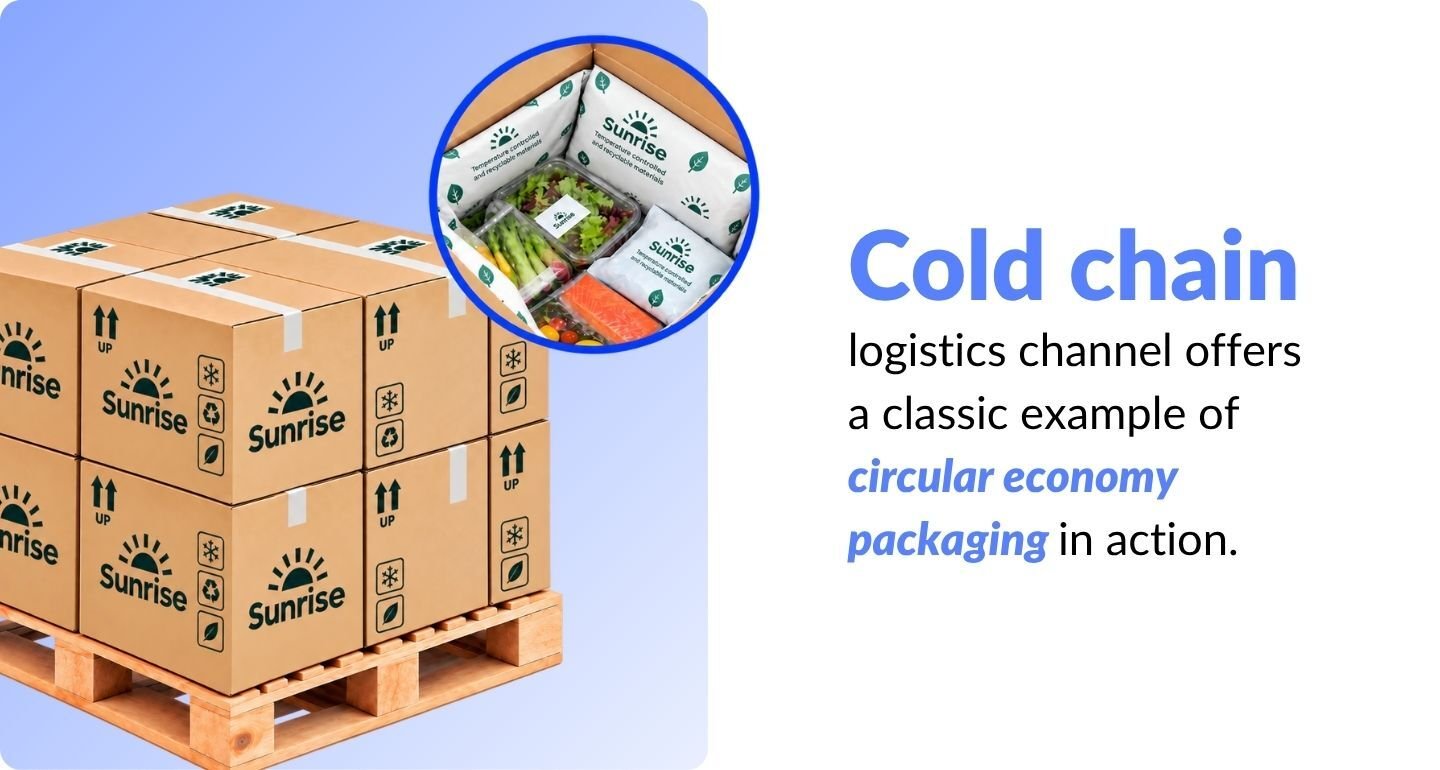
Organizations pursuing circular economy packaging strategies often prioritize design for recyclability, recycled-content integration and material recovery. The objective is to reduce waste generation while creating closed-loop systems that continuously recapture valuable materials. The cold chain logistics channel offers a classic example of circular economy packaging in action.
What are the benefits of eco-friendly packaging for businesses?
The benefits of eco-friendly packaging for businesses extend far beyond environmental stewardship. Many organizations realize measurable operational advantages through material optimization, reduced waste generation and improved transportation efficiency.
Sustainable packaging initiatives can also strengthen brand perception, support corporate sustainability goals, and improve compliance readiness. In many sectors, environmentally responsible packaging decisions increasingly influence purchasing behavior among both consumers and business customers.
Companies may also uncover cost savings through right-sizing initiatives, packaging reduction programs and improved material utilization. Over time, these efficiencies can contribute to lower supply chain costs while advancing sustainability objectives.
What are some real-world examples of eco-friendly packaging applications?
Eco-friendly packaging strategies are being widely implemented across e-commerce, consumer goods, food manufacturing, healthcare, industrial manufacturing and retail sectors. Organizations are adopting solutions that reduce packaging volume, increase recycled content and improve recyclability.
Success often comes from combining multiple sustainability strategies rather than relying on a single material change. Packaging optimization, transportation efficiency, material recovery and product protection frequently work together to deliver meaningful environmental improvements. Watch for these everyday examples of eco-friendly packaging solutions in your own experiences as a consumer.
E-commerce retailers reducing packaging waste
Many e-commerce retail companies are reducing packaging waste through right-sizing technology. By matching box dimensions more precisely to product dimensions, organizations can minimize excess corrugated material while decreasing the need for void fill.
These improvements often generate environmental and operational benefits simultaneously. Less packaging material can lead to reduced shipping weights, improved transportation efficiency and lower packaging expenses.
Consumer goods manufacturers using recycled content
Consumer packaged goods companies increasingly incorporate post-consumer recycled content into bottles, cartons and flexible packaging. This approach helps create demand for recovered materials while supporting circular economy objectives.
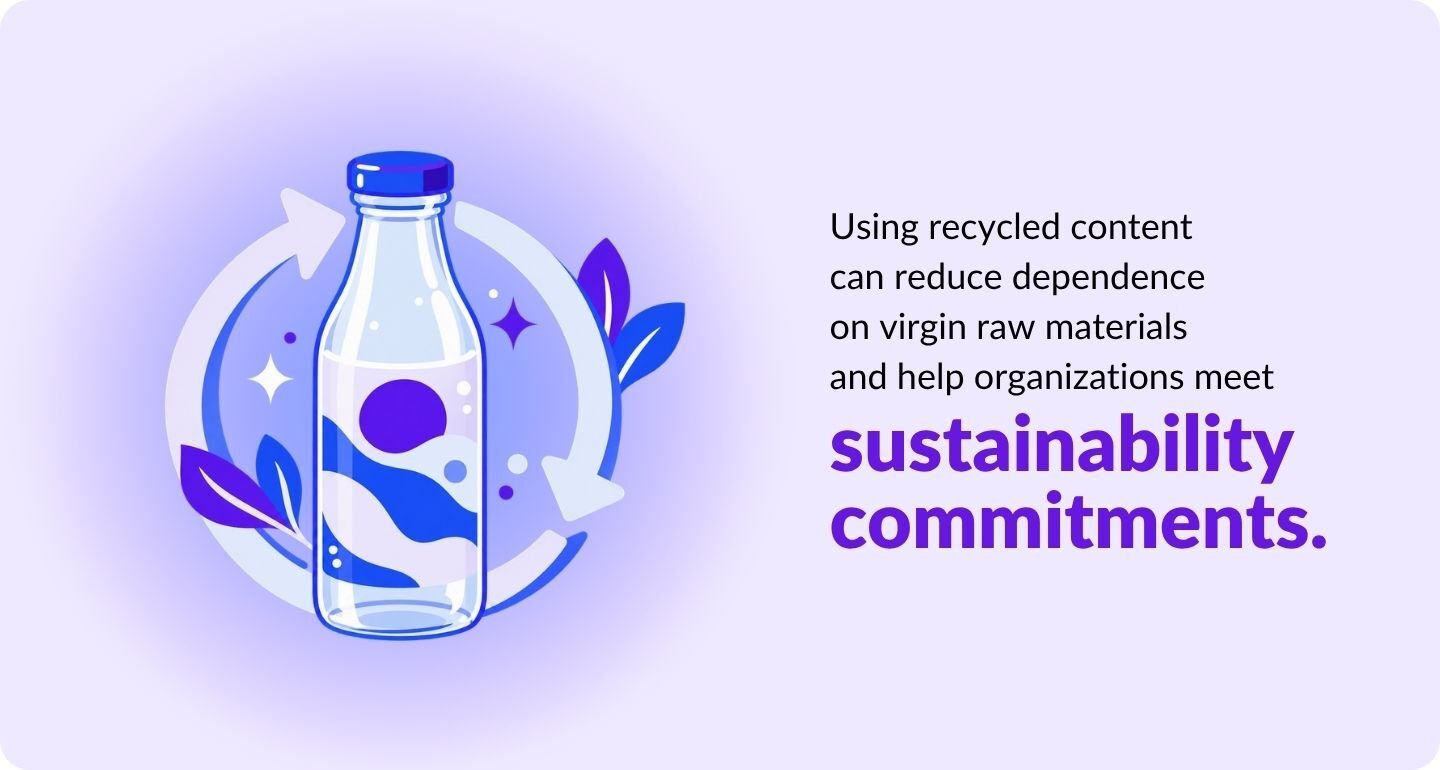
Using recycled content can reduce dependence on virgin raw materials and help organizations meet sustainability commitments. Many manufacturers establish specific recycled-content targets to demonstrate measurable progress toward environmental goals.
Food brands switching to recyclable packaging
Food manufacturers are exploring alternatives to traditional multi-layer packaging structures that can be difficult to recycle. Many brands are redesigning packaging formats to improve compatibility with existing recycling streams.
This transition often requires extensive testing to ensure product freshness, shelf life and food safety requirements are maintained. The most successful programs achieve both environmental improvements and product protection performance.
What are the best eco-friendly packaging material solutions for businesses?
The “best” packaging solution depends on product characteristics, distribution channels, regional recycling infrastructure and sustainability objectives. There is no single material that represents the ideal environmental choice in every application.
Among today's most common eco-friendly recyclable packaging materials are corrugated fiberboard, paperboard cartons, molded fiber packaging and recyclable polyethylene-based structures. These materials often benefit from established collection and recycling systems.
Businesses may also evaluate renewable fiber products, biobased materials, reusable transport packaging and high-recycled-content alternatives. The most effective custom eco-friendly packaging solutions are typically tailored to a company's operational requirements rather than selected solely based on sustainability claims.
For shipping-intensive operations, eco-friendly shipping packaging solutions often focus on lightweighting initiatives, box optimization, recyclable cushioning materials, and (as described previously) right-sized packaging systems that reduce transportation impacts.
What is extended producer responsibility (EPR) all about?
Extended Producer Responsibility, commonly known as EPR, is a policy framework that assigns producers greater responsibility for managing packaging after it enters the marketplace. EPR programs are designed to improve recycling rates and reduce waste by making producers financially or operationally accountable for packaging recovery.
Under EPR systems, manufacturers, brand owners and other obligated parties may be required to report packaging volumes, pay fees or participate in approved stewardship programs. These requirements encourage organizations to consider end-of-life impacts during packaging design and procurement decisions.
How do sustainability regulations like EPR affect product packaging?
Understanding how EPR affects packaging has become increasingly important for manufacturers and consumer brands. EPR regulations often use fee structures that reward packaging designs with stronger environmental characteristics such as recyclability and reduced material usage.
As a result, packaging decisions now carry regulatory implications in addition to operational and marketing considerations. Companies increasingly evaluate packaging formats through both sustainability and compliance lenses.
Strong EPR packaging compliance programs help organizations avoid reporting challenges, manage regulatory risk and prepare for evolving packaging legislation. Businesses that proactively address packaging sustainability are often better positioned as regulatory requirements continue to expand.
What are the key trade-offs to consider when evaluating sustainable packaging solutions?
While sustainability goals are important, packaging professionals must carefully evaluate trade-offs. Every so-called “green packaging” decision involves balancing environmental objectives against product protection, operational efficiency, consumer expectations and financial constraints.
The most successful programs use lifecycle thinking rather than focusing on a single sustainability metric. A comprehensive evaluation process helps organizations identify solutions that deliver meaningful environmental benefits without creating unintended operational consequences. Consider all of the following issues before committing to any specific eco-friendly packaging solution.
Sustainability vs. cost
Sustainable materials may sometimes introduce higher upfront costs compared with conventional alternatives. Recycled content, certified fiber sourcing and specialty materials can affect procurement budgets depending on market conditions and availability.
However, focusing solely on material price may overlook broader financial impacts. Packaging reduction initiatives, transportation efficiencies and waste reduction programs can offset implementation costs and improve long-term value.
Recyclability vs. product protection
Highly recyclable materials do not always provide the same barrier properties, durability or performance characteristics as more complex packaging structures. Product damage can create environmental impacts that exceed those associated with the package itself.
Packaging teams should carefully assess shipping conditions, storage requirements and product sensitivity. Protecting the product remains a primary sustainability objective because damaged products generate additional waste, transportation demand and replacement manufacturing.
Compostable vs. widely recyclable materials
Compostable packaging often attracts attention because it can break down under controlled composting conditions. However, access to commercial composting infrastructure remains limited in many regions.
Widely recyclable materials may deliver greater real-world recovery rates when supported by mature collection systems. Evaluate the actual disposal pathways rather than relying exclusively on material claims when selecting packaging formats.
Packaging reduction vs. customer experience
Reducing material use is one of the most effective sustainability strategies available. Lightweighting, downsizing and eliminating unnecessary packaging components can significantly decrease environmental impact.
At the same time, companies must maintain product presentation, protection and customer satisfaction. Excessive packaging reduction can increase damage rates or weaken brand experiences, making it important to strike an appropriate balance between efficiency and performance.
Taylor: Your source for more eco-friendly packaging solutions
Taylor is a leading provider of custom packaging and labeling solutions for brands throughout North America. Everything needed to implement the more sustainable packaging solutions described in this blog is available in one partner — from materials science and regulatory compliance expertise to package engineering, prototyping, production, warehousing and fulfillment.
The many types of labeling and packaging solutions provided by Taylor include:
- Flexible packaging constructions that reduce weight and bulk to minimize carbon footprint throughout the product lifecycle.
- Custom folding carton packaging constructions made of recyclable and responsibly sourced paperboard substrates.
- Cold chain thermal packaging solutions that emphasize the use of recyclable and biodegradable materials.
- Labels of every conceivable type, including BPA- and BPS-free thermal shipping labels and linerless label constructions that dramatically reduce label waste.
Looking for a vendor partner who specializes in the more eco-friendly, recyclable packaging materials described above? Contact Taylor to learn about our expertise with packaging and labeling.