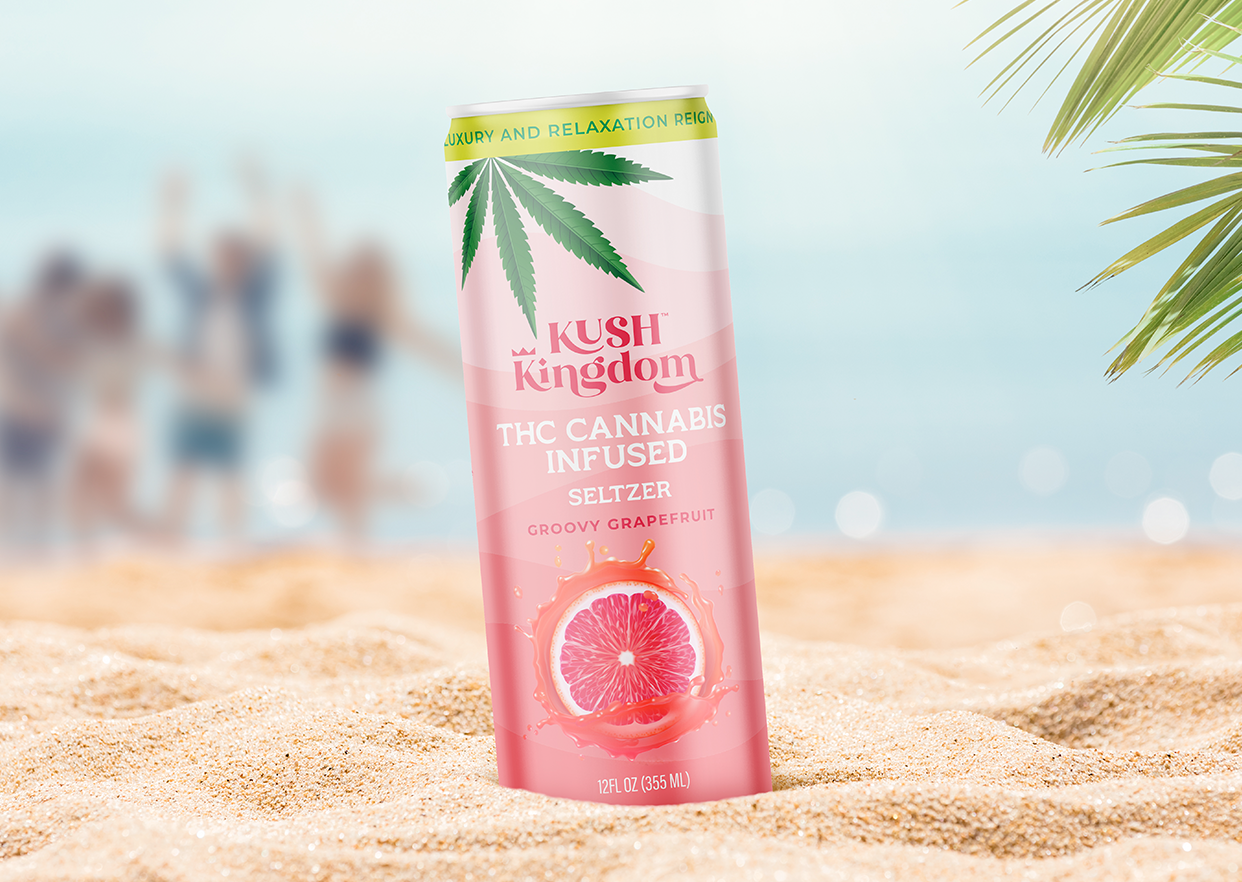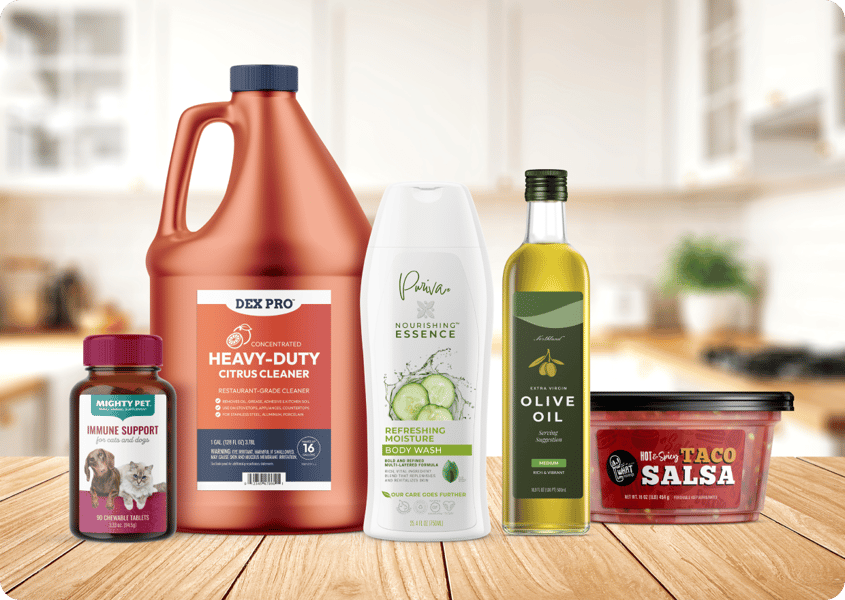
In the crowded U.S. retail marketplace, packaging is more than a container and labels do much more than provide a backdrop for text-based information. Working together, they are a silent salesperson that influences consumer behavior on multiple levels.
Consumer packaged goods (CPG) companies know that custom labels and packaging are not just operational necessities — they are strategic assets. Understanding their functions and the psychology behind them can help marketing and procurement professionals elevate brand perception, customer loyalty and sales revenue.
This blog will explore the psychology of retail packaging design and how custom product labels and consumer goods packaging affect consumer behavior. In doing so, we will address the following questions regarding the impact of packaging design on customers:
- What are the functions of labels on products and packages?
- How does custom packaging influence business branding?
- What is the psychology of product packaging?
- How does product packaging make customers feel valued?
- How does product packaging build customer trust?
What are the functions of labels on products and packages?
Custom packaging labels serve as the most immediate point of communication between a product and its buyer. Their functions extend beyond far compliance to encompass marketing, education and differentiation.
Retail packaging design and its role in customer experience
1. Identification
Labels tell customers what the product is at a glance. From a box of crackers to a bottle of hand lotion and everything in between, the label is the shorthand that helps consumers navigate choices at the point of sale.
2. Compliance and Transparency
Regulatory requirements in the U.S. demand clear labeling of ingredients, nutrition facts, expiration dates and safety warnings. Procurement teams and those involved in CPG packaging design must ensure that their custom product labels meet FDA, USDA and FTC standards to avoid costly recalls or reputational damage.
3. Instruction and Utility
Custom labels and packaging provide usage directions, dosage information or storage guidelines. For example, a frozen entrée label that clearly states “microwave-safe tray” reduces consumer friction and builds confidence.
4. Brand Differentiation
As we’ll see next, the label is often the first visual cue that distinguishes one product from another. Typography, color palettes and finishing details all signal brand personality and have a significant impact on consumer behavior.How does custom packaging influence business branding?
Custom retail packaging is a brand’s canvas. It transforms a commodity product into a memorable customer experience and reinforces positioning in the marketplace.
Packaging, branding and the importance on consumer buying decisions
1. Visual Identity Alignment
Retail packaging design reflects brand values. For example, a luxury skincare line may use embossed lettering and soft-touch finishes to signal prestige while a natural food brand might lean on kraft paper textures and earthy tones to emphasize authenticity.
2. Consistency Across Channels
In today’s omnichannel retail marketing environment, packaging must perform both on shelves and in e-commerce unboxing moments. Procurement professionals play a key role in sourcing materials that balance durability for shipping with aesthetic appeal for product presentation.
3. Storytelling Through Design
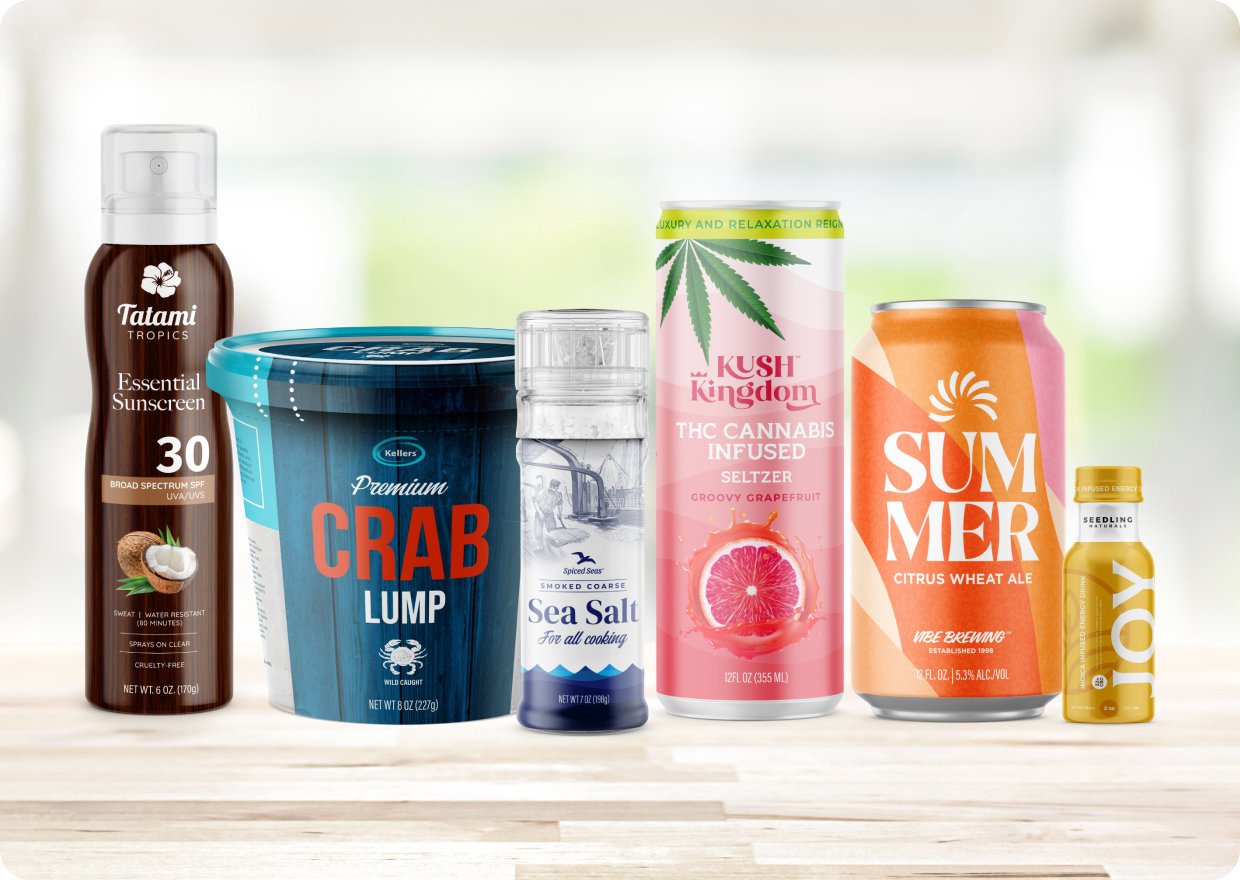
Custom packaging allows brands to weave narratives. A craft beer label might highlight local sourcing or community ties while a tech accessory package could emphasize innovation and sleekness. Each approach influences consumer behavior in a way that is appropriate to the brand.
4. Competitive Differentiation
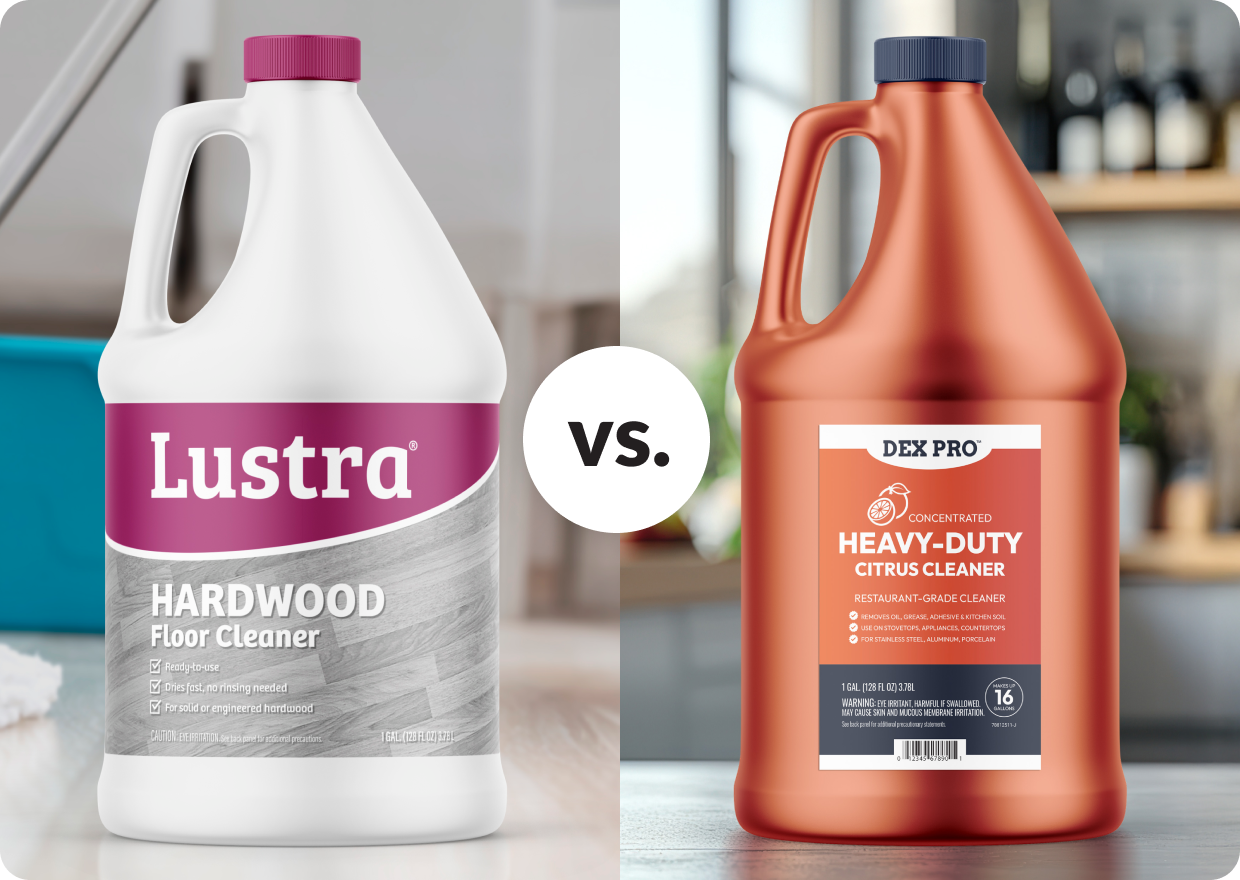
In categories where products are functionally similar, custom labels and packaging become the differentiator. Think of bottled water brands; the liquids inside are essentially identical but the labels and packaging have a tremendous impact on consumer buying decisions.
What is the psychology of product packaging?
Custom packaging for CPG brands is subtly designed to tap into subconscious cues that influence consumer behavior. The psychology of product packaging design is rooted in perception, emotion and trust as defined by five distinct factors.
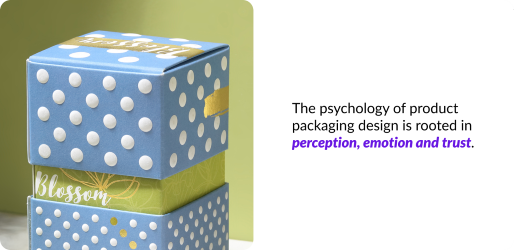
Five factors that enhance customer experiences and impact buying decisions
1. Color Psychology
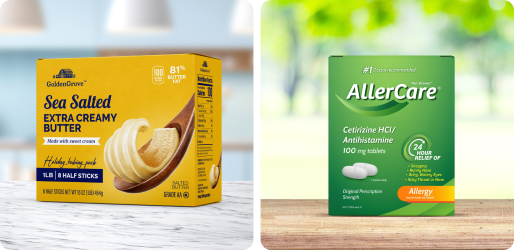
Colors trigger emotional responses. Blue conveys trust and reliability, red signals urgency or excitement, green suggests health and sustainability, and so forth. Color palette plays a significant role in customer experience and can measurably influence consumer behavior.
2. Texture and Material Cues
A smooth, glossy finish may suggest modernity and sophistication while a rough, recycled texture communicates eco-consciousness. Though subtle, tactile elements like these can have an outsized influence on buying decisions and customer experiences.
3. Shape and Ergonomics
Rounded packaging often feels approachable and friendly while sharp edges convey precision and seriousness. Likewise, ergonomic design signals thoughtfulness regarding the customer experience.
4. Minimalism vs. Detail
Minimalist packaging can suggest confidence and premium positioning while custom product labels rich in detail may appeal to consumers seeking transparency on the part of the product’s manufacturer.
5. Cognitive Fluency
Packaging that is easy to read and understand creates a sense of comfort. Overly complex labels can cause cognitive strain, leading consumers to abandon the product at the point of sale.
How does product packaging make customers feel valued?
Packaging for consumer packaged goods is often the first physical touchpoint between the brand and its customer. When done well, it communicates care and respect.
The top four custom packaging advantages to incorporate
1. Attention to Detail
Thoughtful design elements — like resealable closures or easy-pour spouts — signal that the brand values convenience, safety and customer experience.
2. Personalization
Custom product labels with seasonal designs, limited editions or even customer names (think Coca-Cola’s “Share a Coke” campaign) make buyers feel recognized.
3. Premium Touches
Foil stamping, embossing, soft-touch finishes and special substrates demonstrate how it’s possible to influence customers through custom packaging details. Even if the product inside is mass-produced, the packaging itself can make the item feel special.
4. Sustainability Considerations
Socially conscious consumers are increasingly focused on the packaging for consumer packaged goods. Eco-friendly packaging shows that the brand values the environment, not just the bottom line.
How does product packaging build customer trust?
Ultimately, trust is the currency of long-term brand loyalty in the consumer packaged goods industry. Customer trust is built upon five factors and retail packaging design plays a central role in earning it.
Customer trust and its role in brand loyalty
1. Transparency and Honesty
Clear labeling of ingredients, sourcing and certifications builds credibility among consumers. Conversely, misleading packaging erodes trust quickly.
2. Consistency Across SKUs
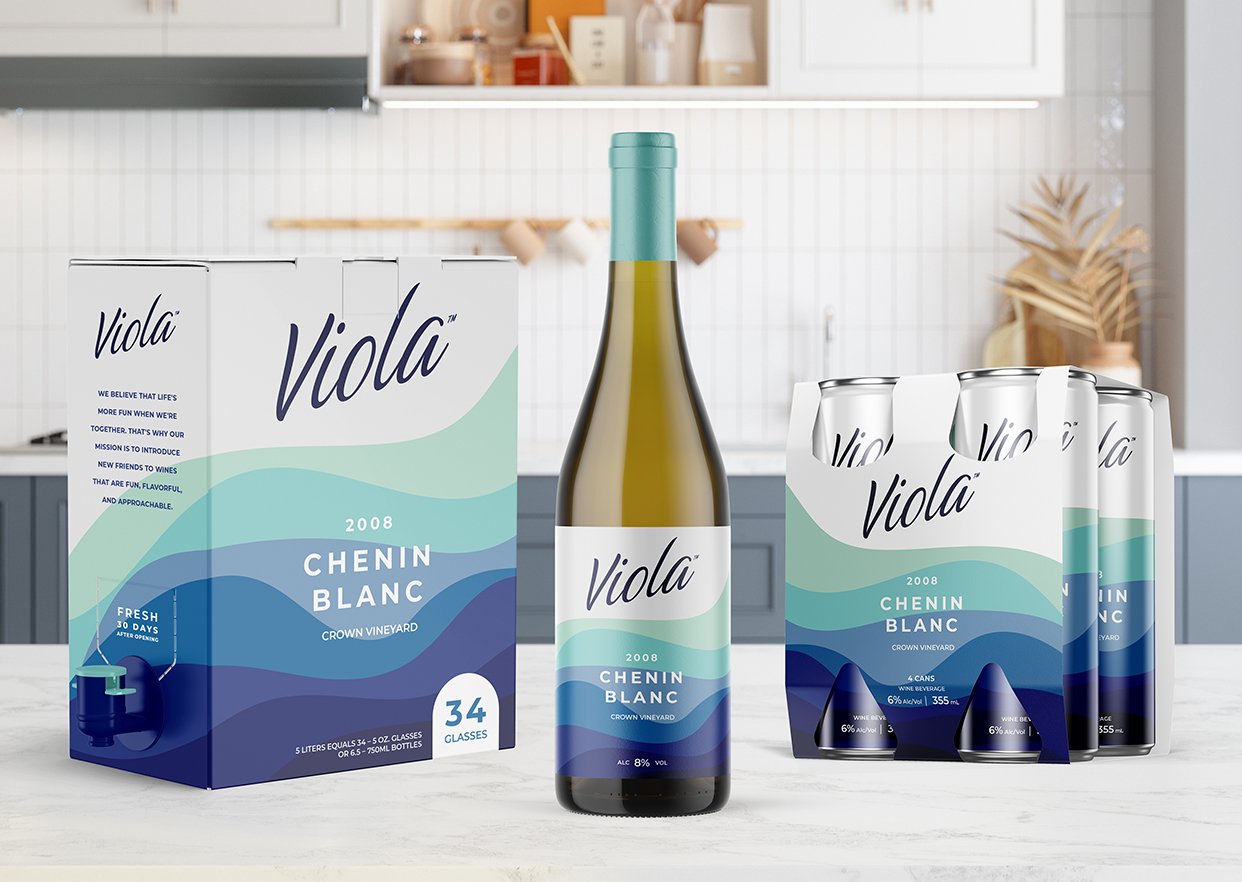
Uniform design language across product lines reassures customers that they are buying from a reliable brand family.
3. Quality Assurance Signals
Tamper-evident seals, expiration dates and freshness indicators reassure customers of the product’s safety and quality.
4. Durability and Reliability
Custom packaging that protects the product during transit and storage demonstrates trustworthiness. On the other hand, a broken seal or dented box can undermine trust even if the product itself is intact.
5. Emotional Connection
Custom labels and packaging that resonate with the consumer emotionally — whether through nostalgia, humor or elegance of design — create a bond that transcends product function.Taylor: Custom Packaging for CPG brands
One of the leading providers of custom packaging and labeling solutions in the nation, Taylor specializes in labels and packaging for the consumer packaged goods industry.
Every type of custom-printed product packaging you might need to stand out on the shelf and influence consumer behavior is available through a single partner:
- Flexible packaging
- Folding carton packaging
- Media packaging solutions
- Pressure-sensitive labels
- Roll-fed labels
- Shrink sleeves
- Specialty labels and packaging
Looking for ways to leverage the psychology of product packaging to influence consumer behavior? Contact Taylor to learn about our special expertise with custom packaging for consumer packaged goods.