Explore where mental health, workplace safety, and AI governance and adoption intersect with Dr. Mendoza.
With iMedHealth, Taylor Healthcare provides hospitals and health systems with a single source of digital solutions that improve patient-provider communication and systemwide performance.
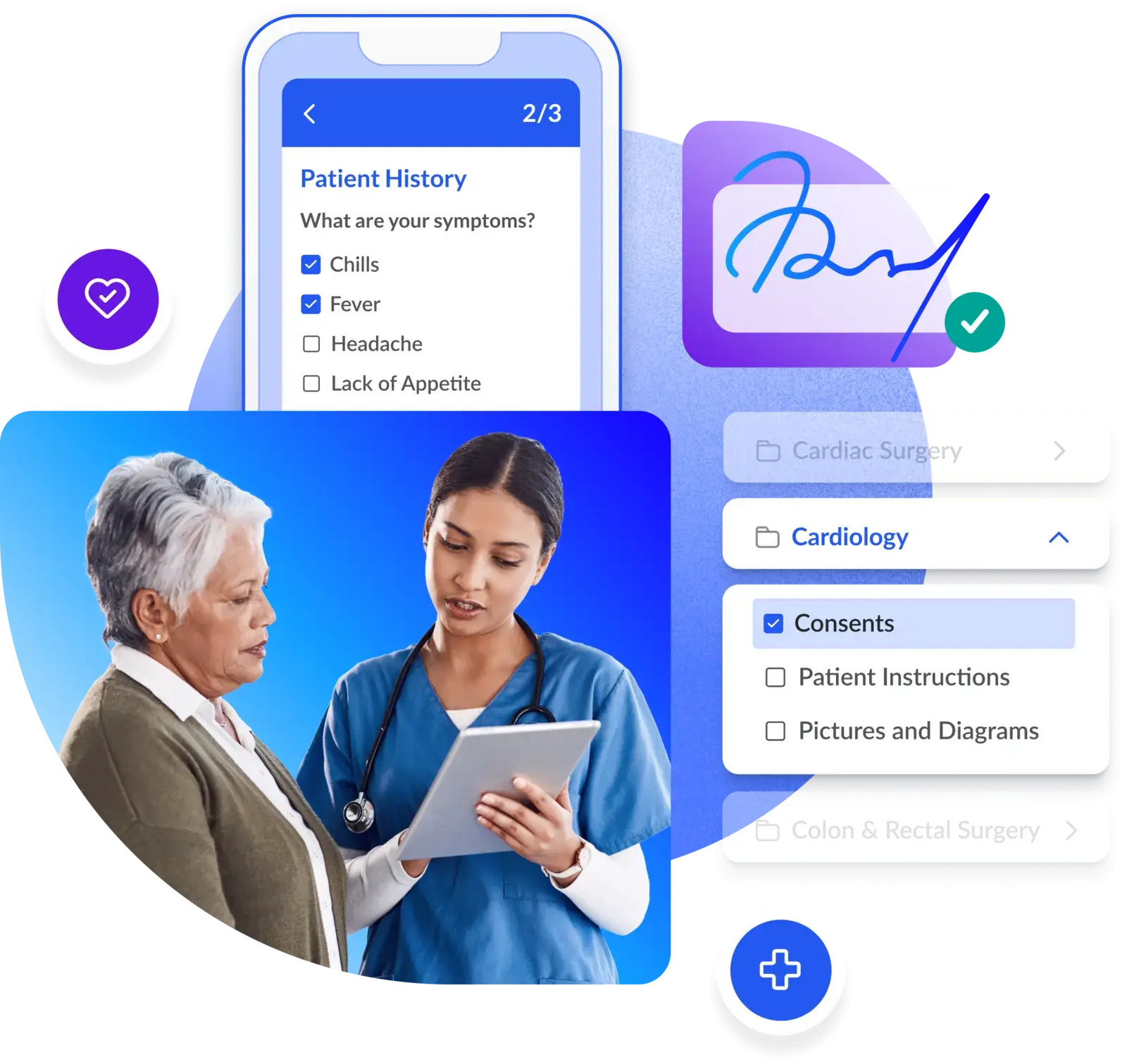
iMedHealth is a single cloud-based platform that
seamlessly integrates with your EHR.
iMedHealth provides you with a suite of digital solutions
that enhance informed consent, streamline downtime
operations, and bolster patient education and engagement.
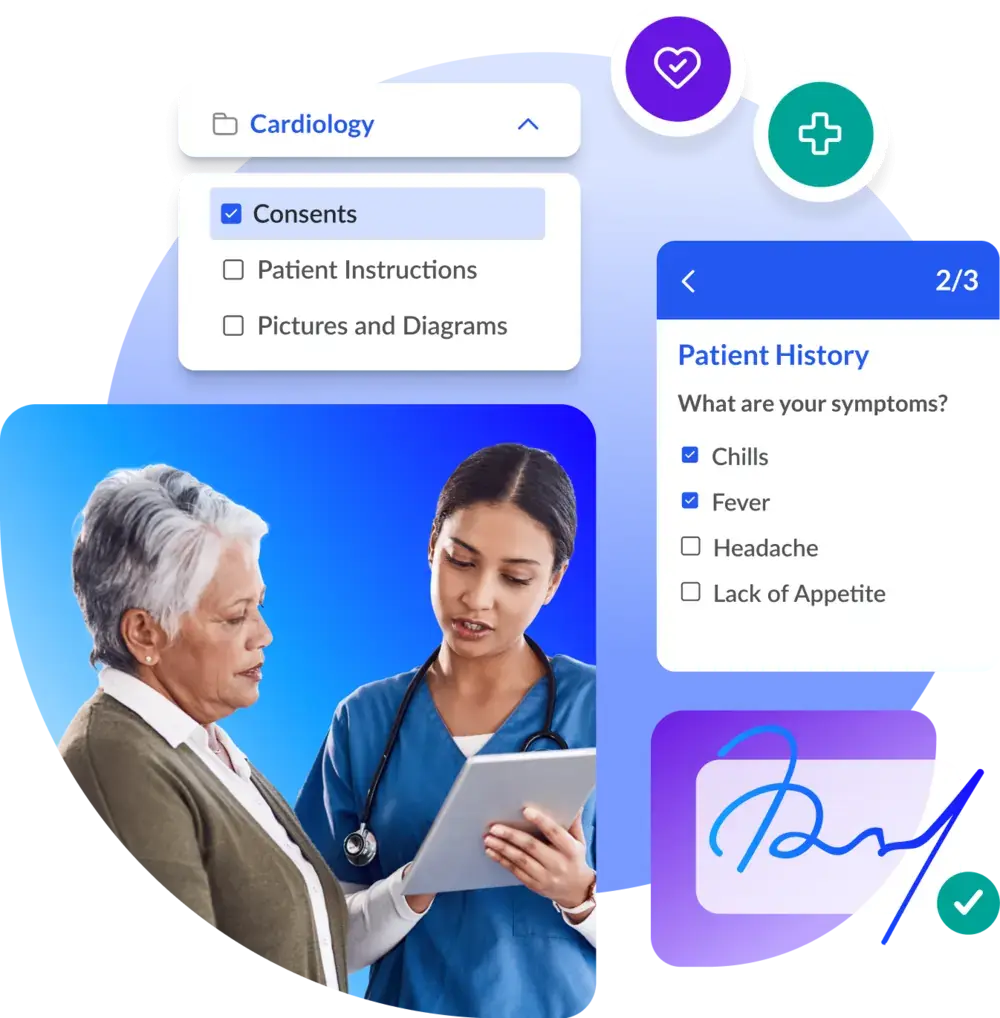
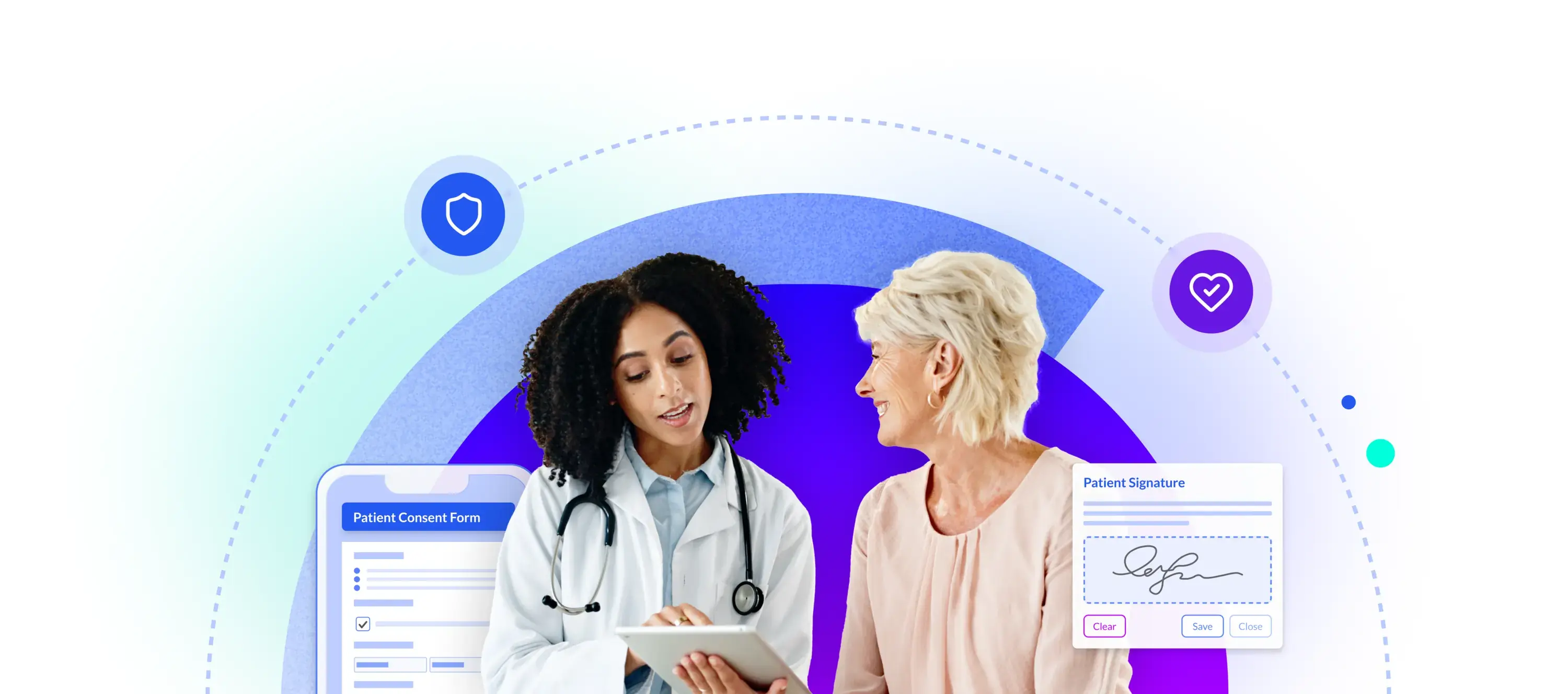
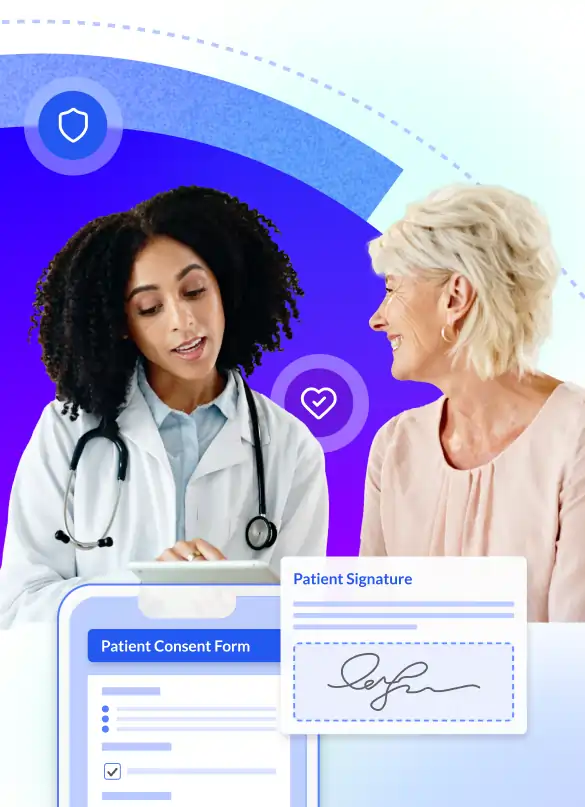
Digital informed consent documentation that improves patient-provider communication.
Digital clinical forms library with more than 5,000 treatments and procedures.
Taylor’s patented HIPAA-compliant mobile signature capture technology.
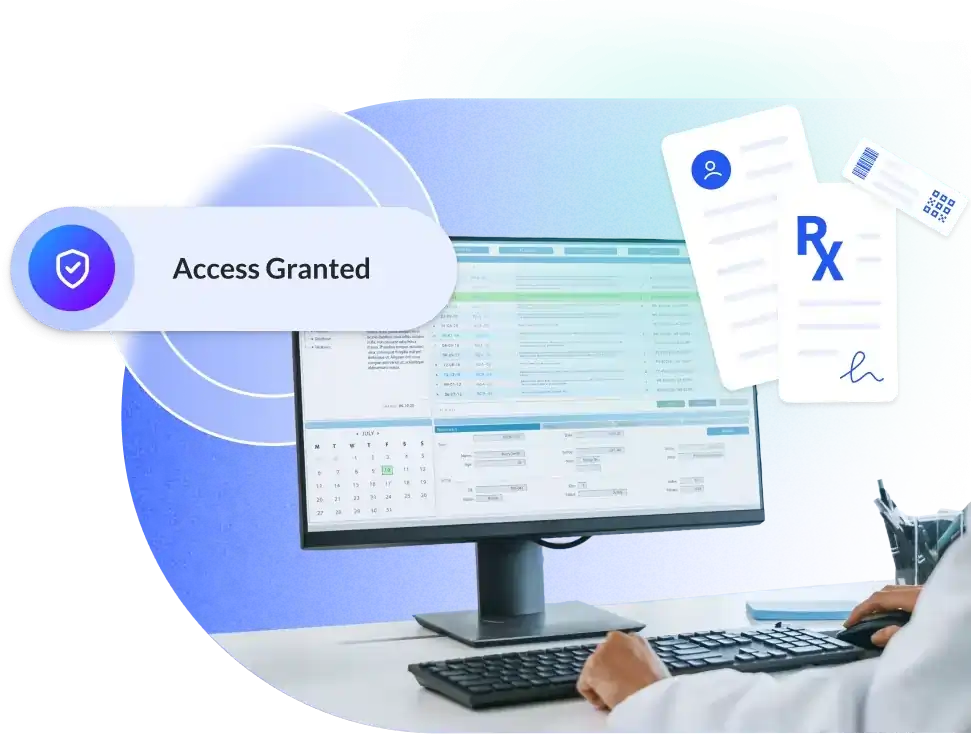
Ensures uninterrupted document access and management during all downtime situations.
Streamlines the management of clinical, administrative and departmental documentation.
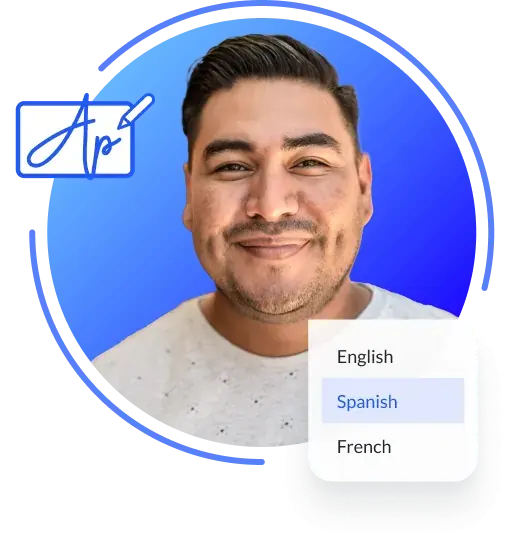
Provides 24/7 access to interpretation services in more than 300+ languages.
iMedHealth integrates with all major EHR systems, allowing you to access its
full suite of solutions directly within your existing workflows. With real-time
data exchange between iMedHealth and your EHR, you can manage patient
information and complete essential tasks without switching platforms.
Regardless if you're a large healthcare system or a single doctor’s office, the installation and integration of iMedHealth is scalable to your requirements.
iMedHealth seamlessly integrates with your existing EHR, allowing you to navigate between your system and the information housed in iMedHealth with ease.
It will feel as though it was part of your EHR all along.
iMedHealth is embedded within your EHR and launches in a browser-in-browser style, allowing you to access its solutions and information without leaving your EHR or opening a new browser window.
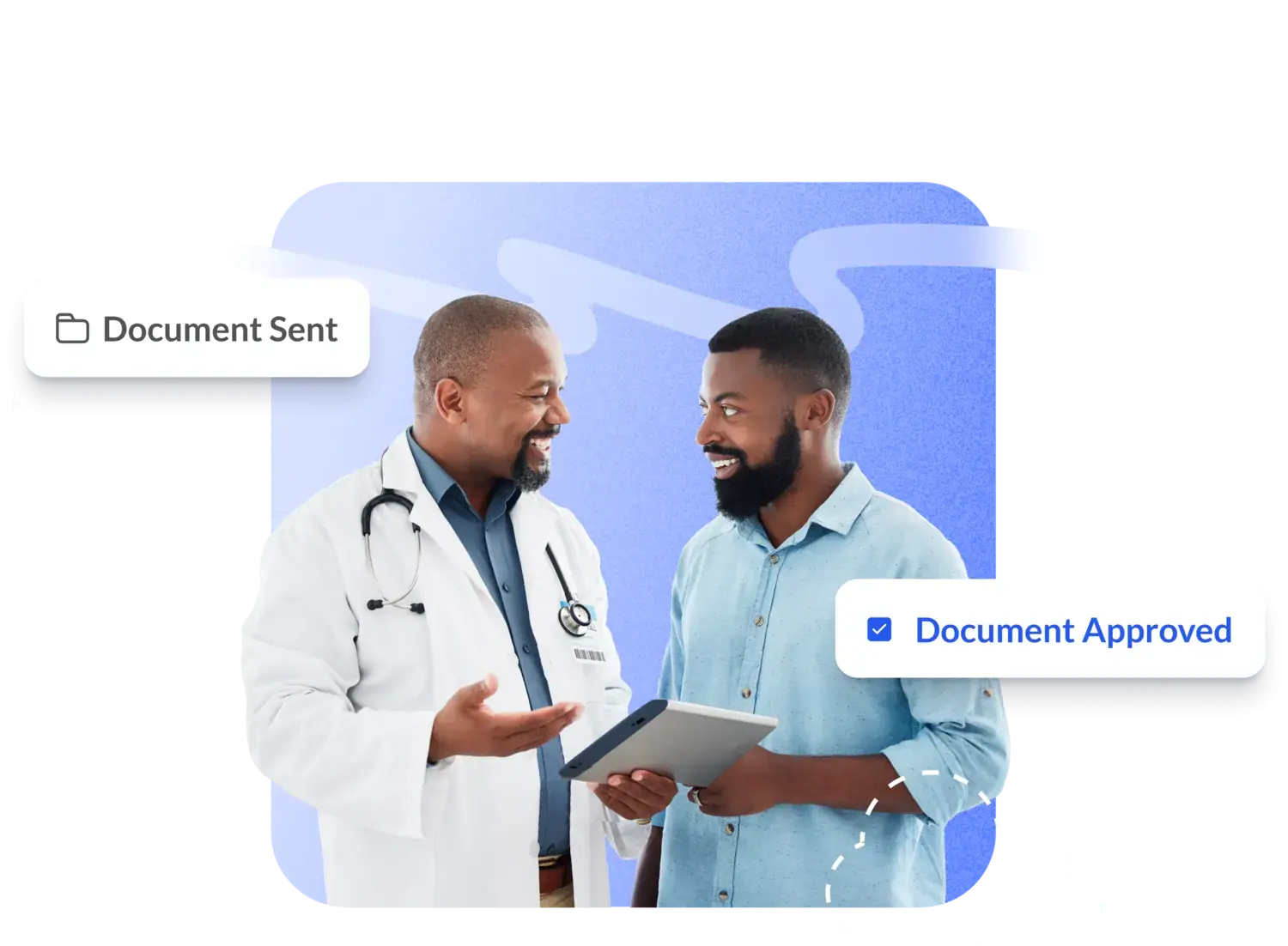
Updates in iMedHealth are automatically stored within patient records in your EHR, ensuring that informed consent, patient education, downtime preparedness and other workflows are not disrupted.
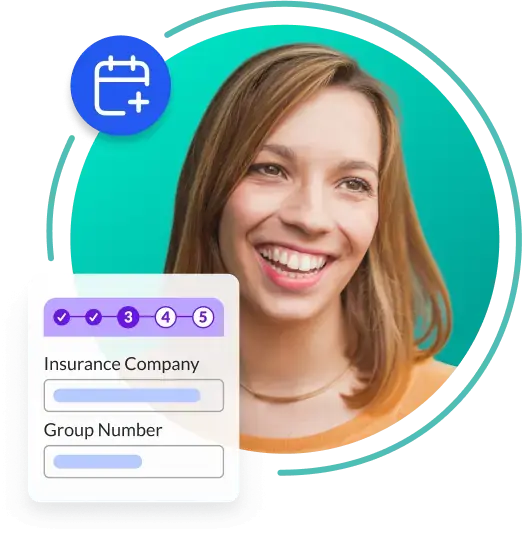
Healthcare software, technology and document automation has made
considerable progress. EHRs have digitized most of the structured workflows
and documentation requirements for patient care. Even with these advances,
hospitals and health systems still face a variety of challenges.
Several key areas in the healthcare industry remain disjointed and often paper-based.
Patient portal adoption continues to be fragmented among patient groups.
Ever-present ransomware threats mean health systems must prepare for longer EHR outages
Healthcare remains behind other industries with multimedia, video and digital communications.
Rapidly changing technology is challenging the status quo of ethical and legal considerations.
Patient-provider communication is always crucial to patient satisfaction and risk reduction.
Taylor Healthcare’s iMed enhances the patient-provider relationship and reduces malpractice risks by digitizing the informed consent process.
What you need is a single healthcare partner with an integrated solution that works with your EHR across both paper and digital forms.
Taylor Healthcare is that partner, and iMedHealth is the comprehensive suite of digital healthcare solutions that can improve your digital forms automation, patient-provider communication and operational efficiency.
Your informed consent process influences everything from patient satisfaction and legal risk to revenue. The far-reaching impacts are too important to hospital operations to keep relying on paper-based processes.
Electronic informed consent technology greatly enhances patient-provider communication and joint decision-making, and empowers patients to advocate for their own health.
Taylor Healthcare’s iMedConsent software
enhances the patient-provider relationship and
reduces malpractice risks by digitizing the
informed consent process.
With iMedConsent, physicians can tailor consent
forms in advance for each patient, ensuring the
information is relevant and specific to their needs.
Patients have the flexibility to review and sign
consent documents digitally from anywhere, on
any mobile device, providing ample time for
informed decision-making.
Trusted by more than 250 health systems, including the U.S. Department of Veterans Affairs.
Informed consent documents are never lost or misplaced.
Patients can sign informed consent documents from anywhere with their own mobile devices.
Consistent information is used in consent processes by all providers and facilities.
Operating rooms do not sit unused while consent forms are located.
iMedConsent utilizes a curated content library called iMedContent that provides comprehensive clinical information for more than 5,000 treatments and procedures.
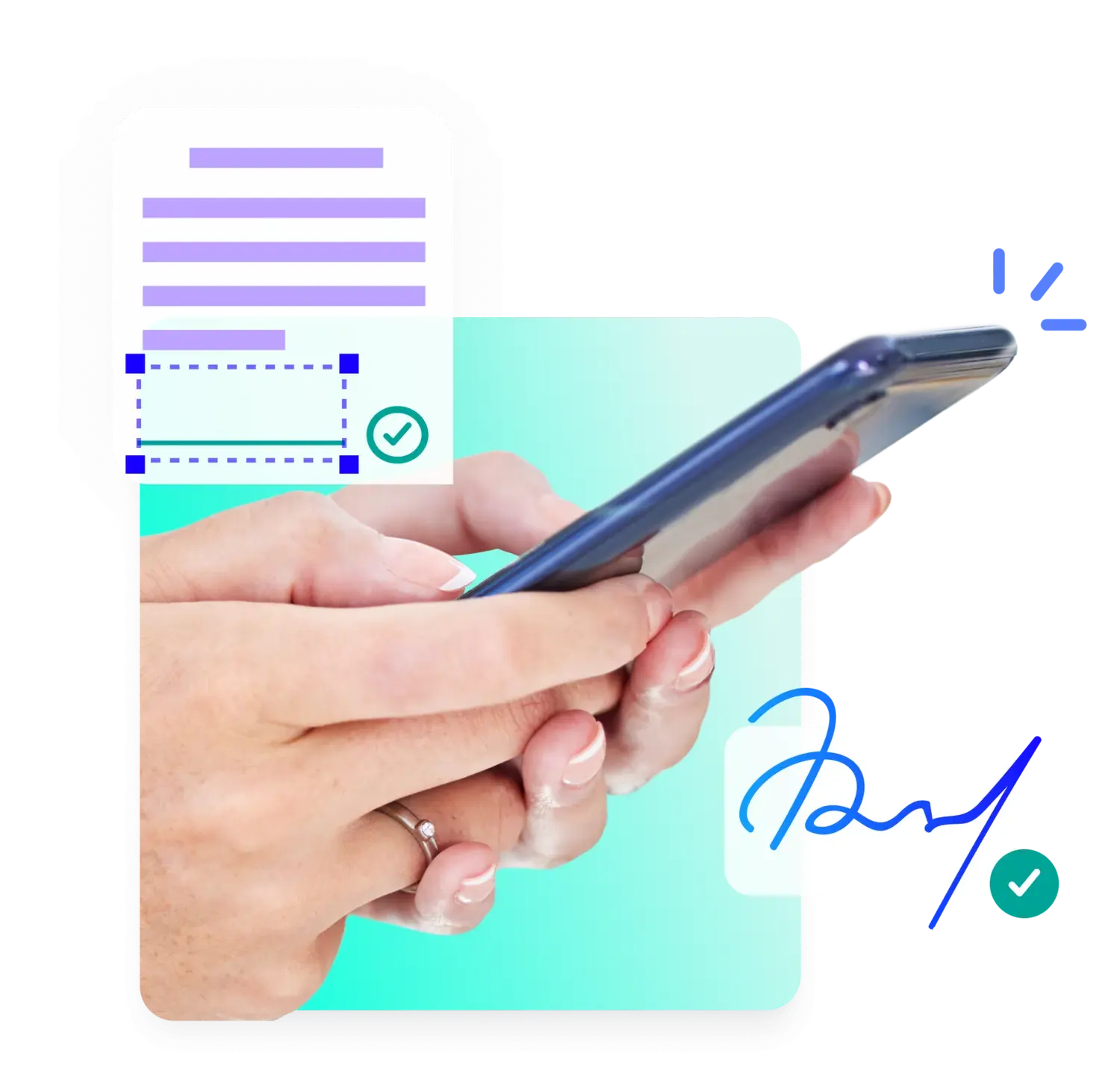
Enable shared decision-making from anywhere. A key feature of iMedConsent is iMedEngage, which includes Taylor Healthcare’s patented, HIPAA-compliant mobile signature capture technology.
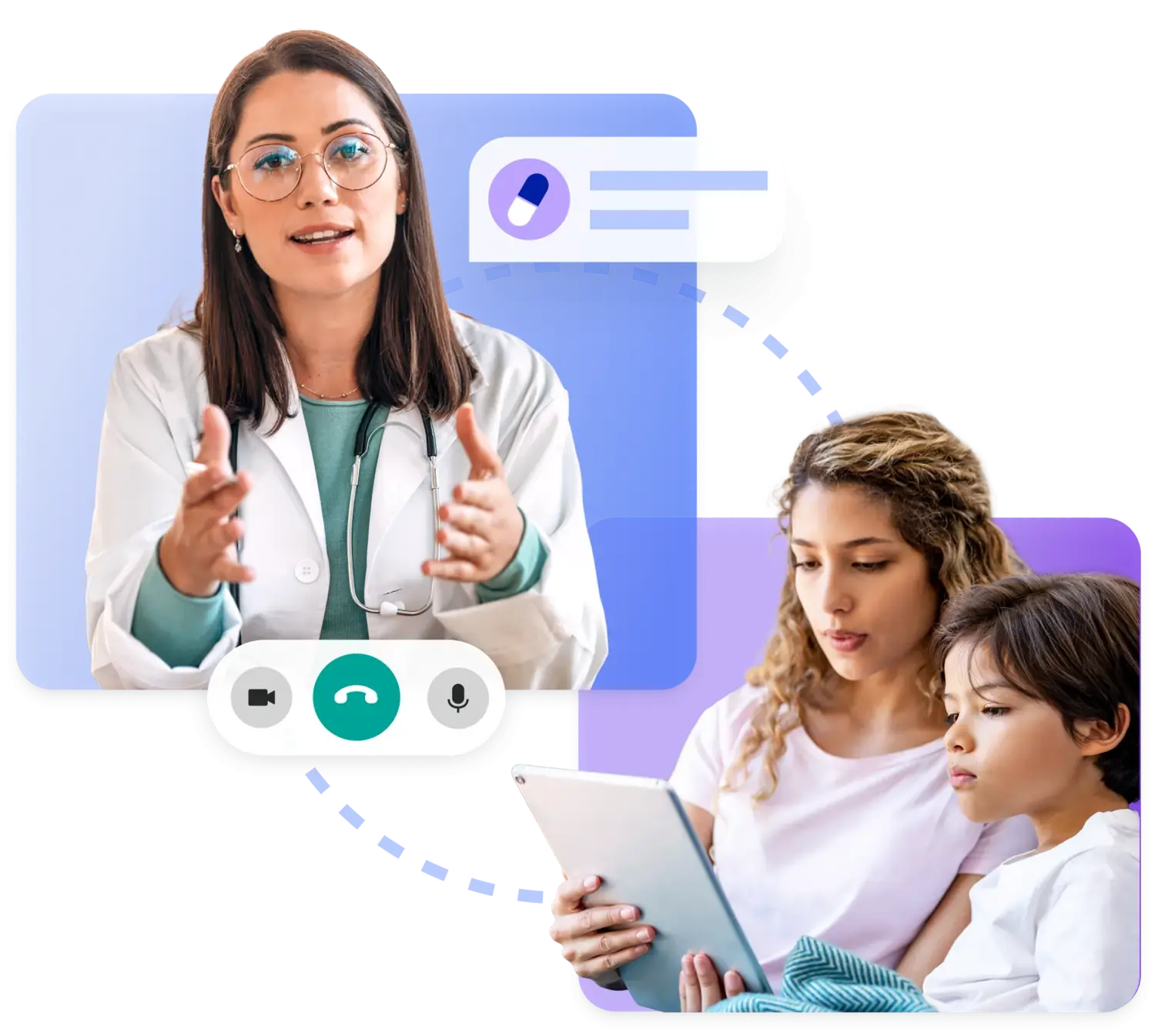
Telehealth is an integral part of healthcare. It enhances patient satisfaction and helps physicians deliver faster care. That’s why iMedConsent is a completely web-based application.
As patient-as-consumer preferences shift, it’s extremely important for
healthcare providers to use as many media forms as possible to educate and
engage patients, and do so in their preferred channel of communication.
When it comes to patient education and engagement solutions, the healthcare industry is
still finding its way in the digital landscape. This is why iMedHealth is designed to be a
digital distribution platform that serves as a complement to patient
portals and patient information access.
Limited knowledge of medical terms and concepts can make it difficult for many patients to understand procedure and treatment information.
Patients who do not speak the primary language of the healthcare providers may struggle to understand their medical instructions.
Healthcare providers often have limited time to spend with each patient, which can hinder thorough education and ensuring patients fully understand their care plans.
Diverse cultural backgrounds can affect how patients perceive and understand health information, as well as their willingness to follow medical advice.
Patients have varied learning preferences, such as visual, auditory or kinesthetic, which can make it challenging to deliver information in a way that is effective for everyone.
Patients who are stressed, anxious or in pain may find it difficult to focus on and retain the information provided to them.
Hospitals may lack the necessary resources, such as educational materials or trained staff, to provide comprehensive patient education.
One of the challenges for healthcare providers is increasing patient health equity. Health equity is the opportunity and ability to find, understand and use health information and services to make the best decisions for themselves and others.
A foundational aspect of health equity is strong patient literacy. Good outcomes are contingent on patients understanding their provider’s recommendations on procedures and treatments.
General healthcare forms are often lacking when it comes to considering patient health and cultural literacy.iMedHealth improves shared decision-making through clear, culturally sensitive digital consent forms that empower patients to make informed decisions about their care.
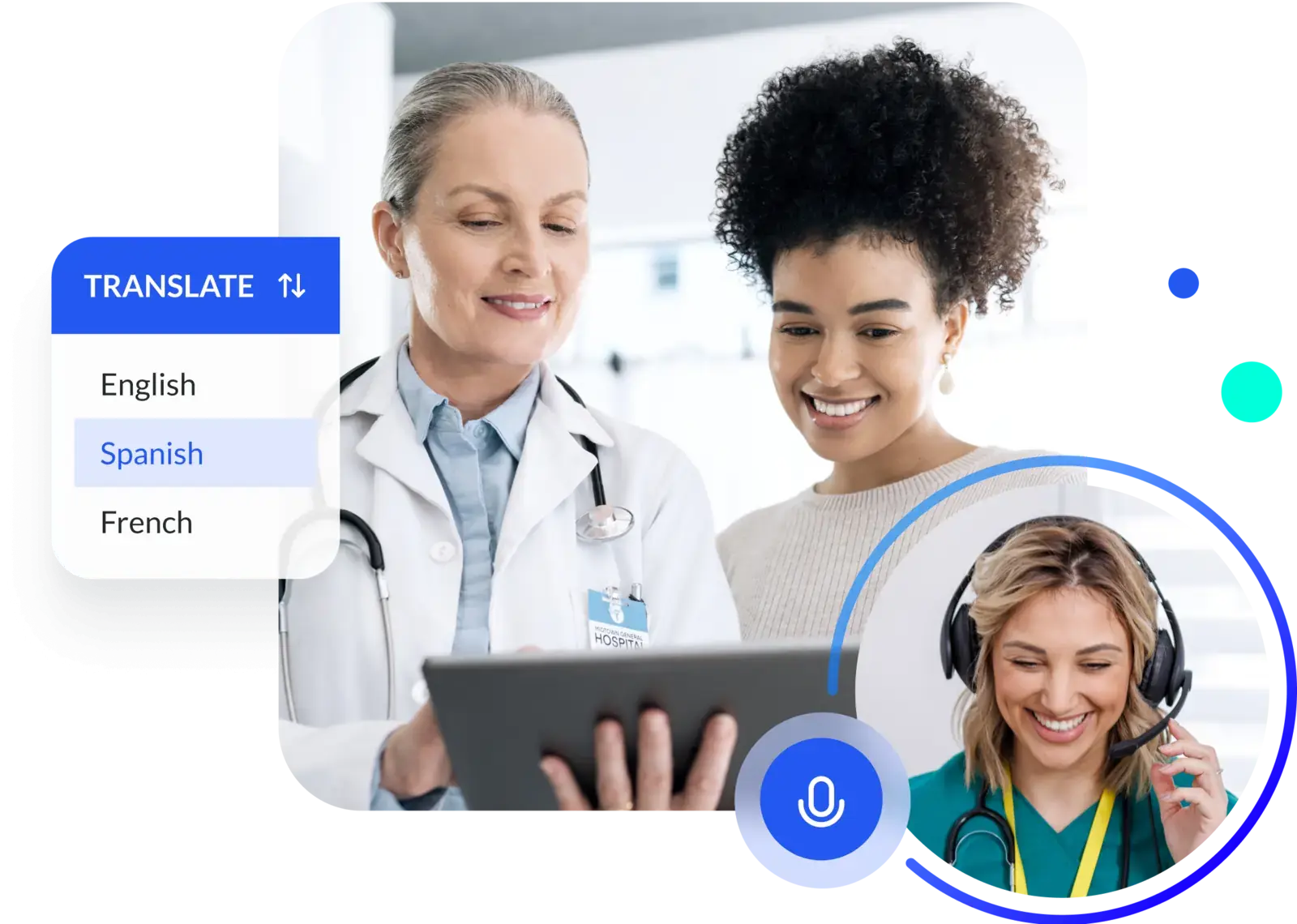
Clear communication with every patient is crucial to strong patient engagement and satisfaction. For more than 20 years, Taylor Healthcare has been committed to ensuring expert translation services are available.
iMedInterpret makes it easier than ever to provide patients with accurate translations of physicians’ written and digital documentation, care instructions, and more.
When you use iMedHealth, you're also promoting the adoption of digital
services to your patients. Whether you are trying to increase patient portal
adoption or are using other communication methods to digitally engage with
patients, iMedHealth supports both efforts.
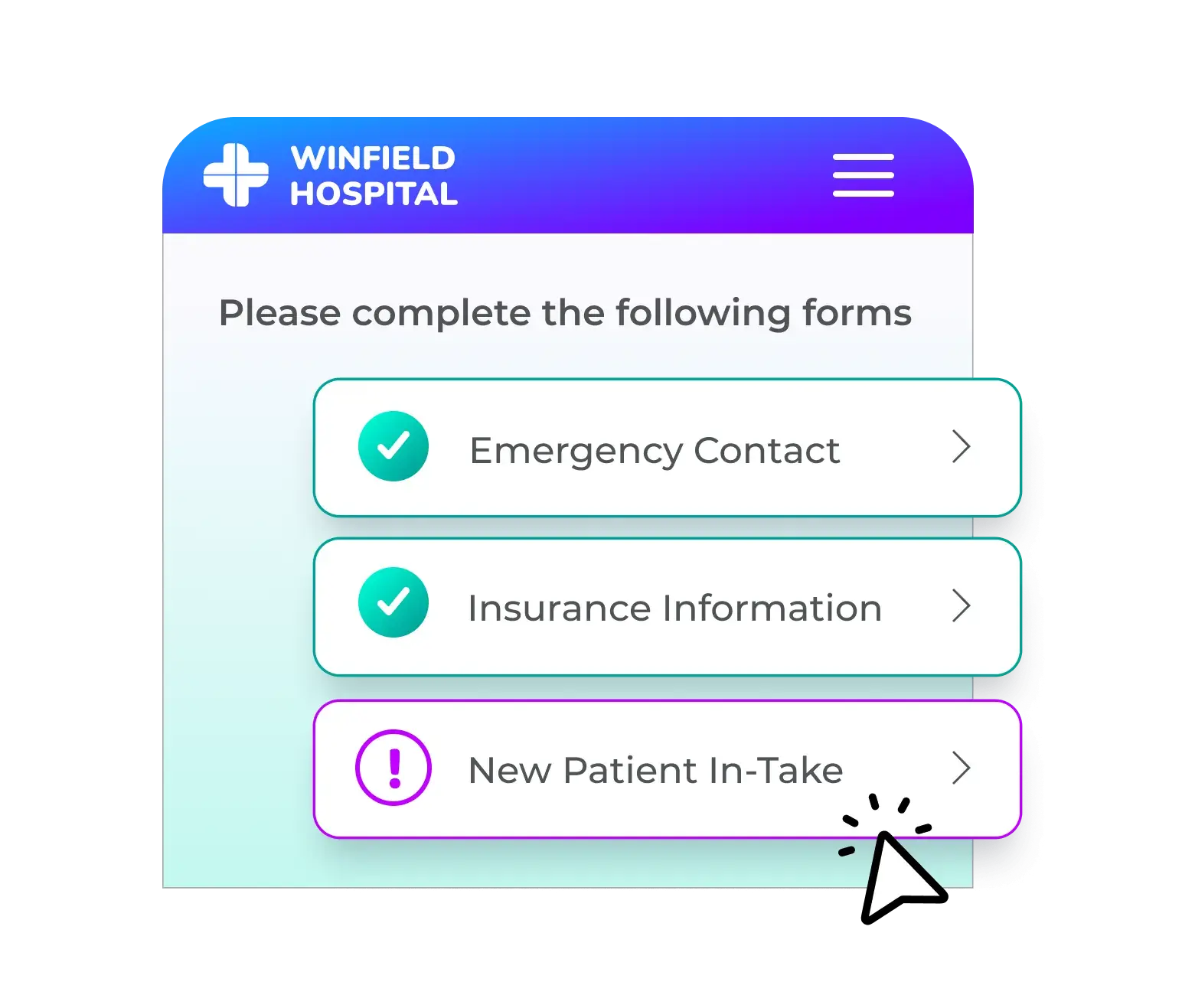
Documentation can be filled out ahead of appointments and procedures, giving patients the time they need to fully review and understand the information.
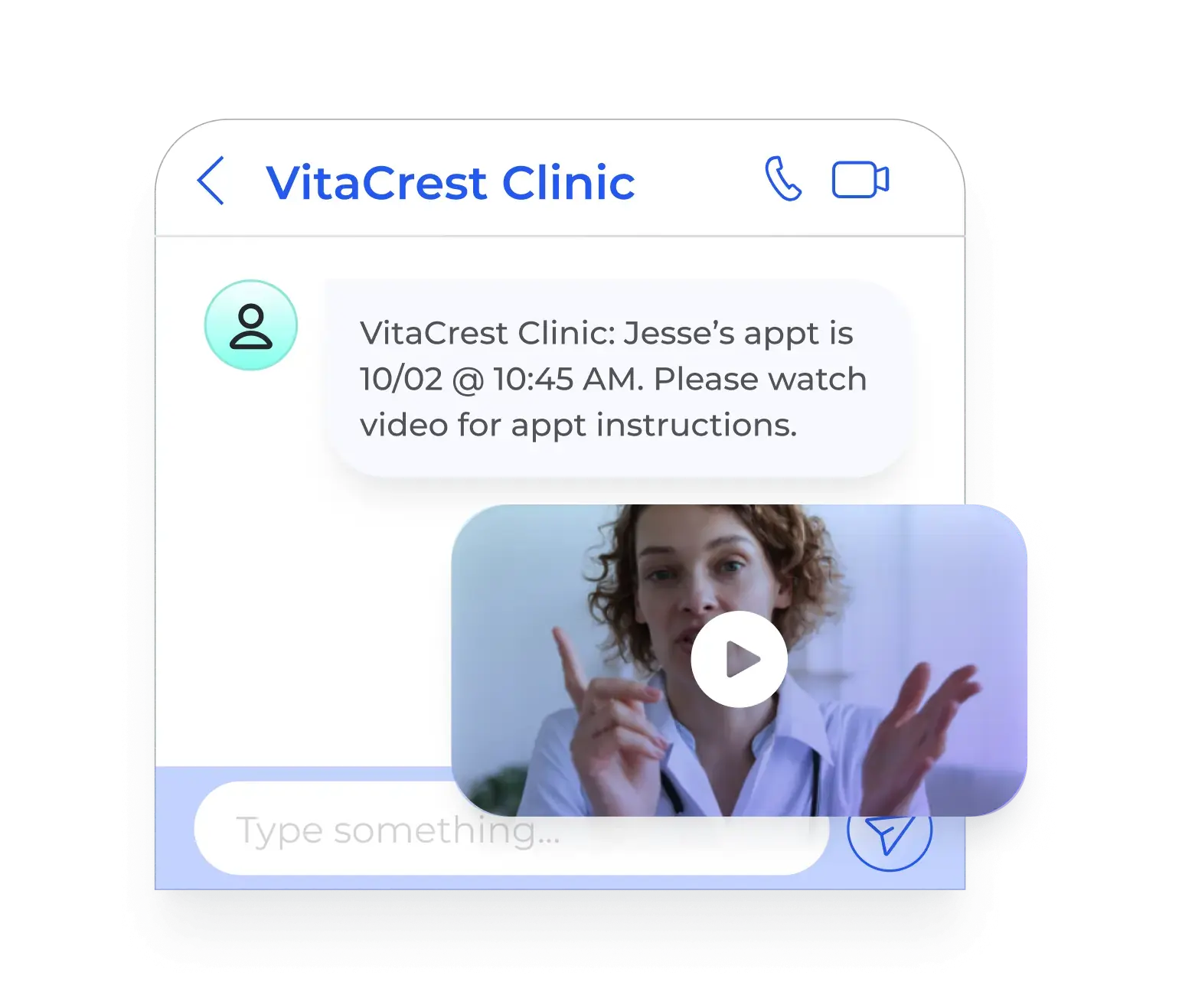
Materials including videos, text messaging and other digital multimedia as well as mail, documents and handouts can be customized for each patient.
Access to thousands of digital patient education documents including anatomical images, pre-procedure and discharge instructions, and drug monographs.
If your organization is using a patient portal, iMedHealth can help you get more patients to
sign up. Research shows that patients prefer online and mobile solutions when it comes to
interacting with their healthcare providers.
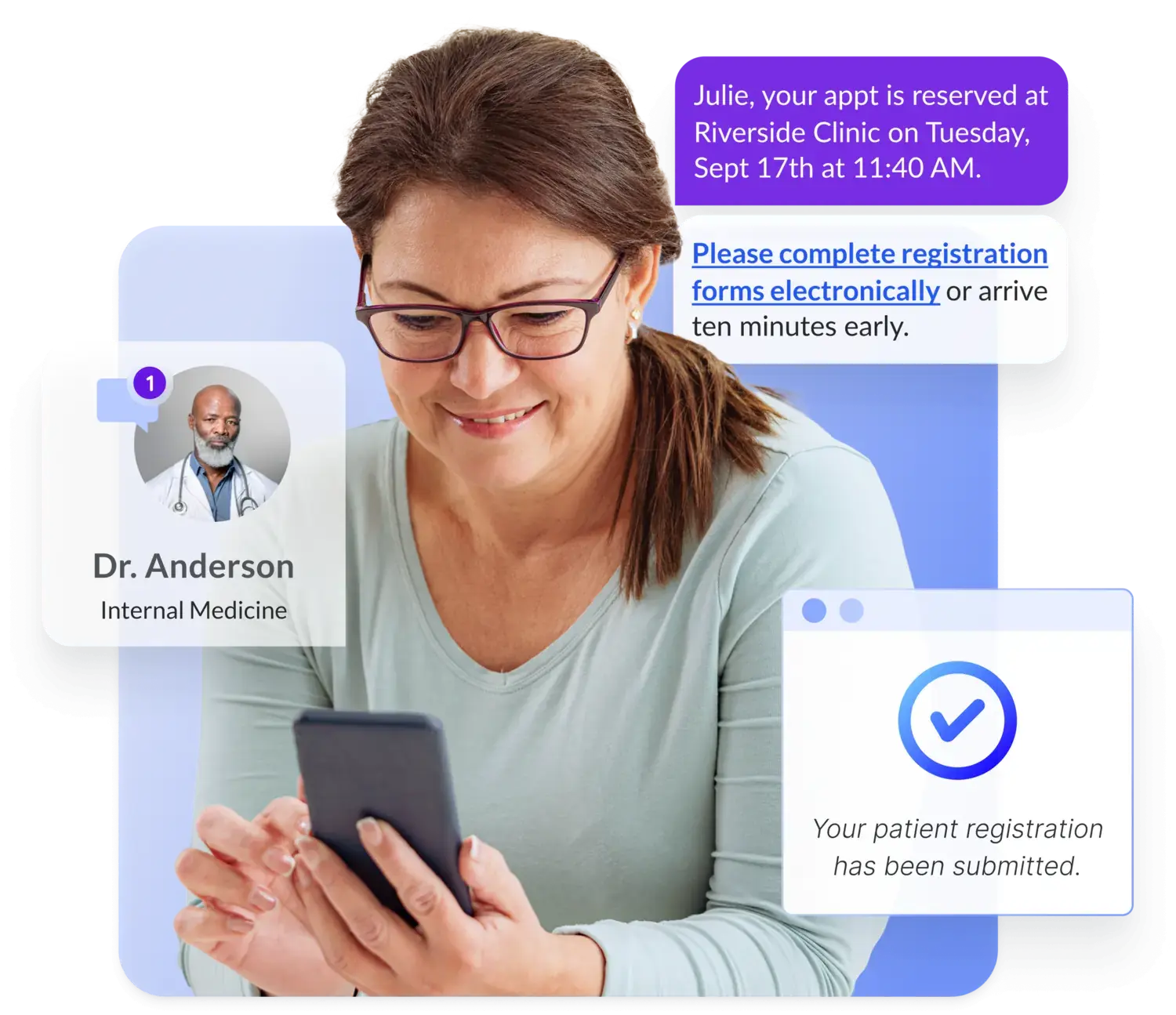
iMedHealth solutions can be used as gateways to your patient portal, using links to promote your portal and giving patients who have not yet opted in opportunities to sign up.
While patient portals house patient health records, there are still some forms that don’t quite fit in that structure. iMedHealth can serve as a digital platform for these forms.
Patient portals help patients and physicians interact without extra office visits. iMedHealth furthers this flexibility with digital documentation that can be reviewed at home.
iMedHealth features a web-based application called iMedAutomate.
iMedAutomate streamlines the creation and management of clinical,
administrative and departmental documentation.
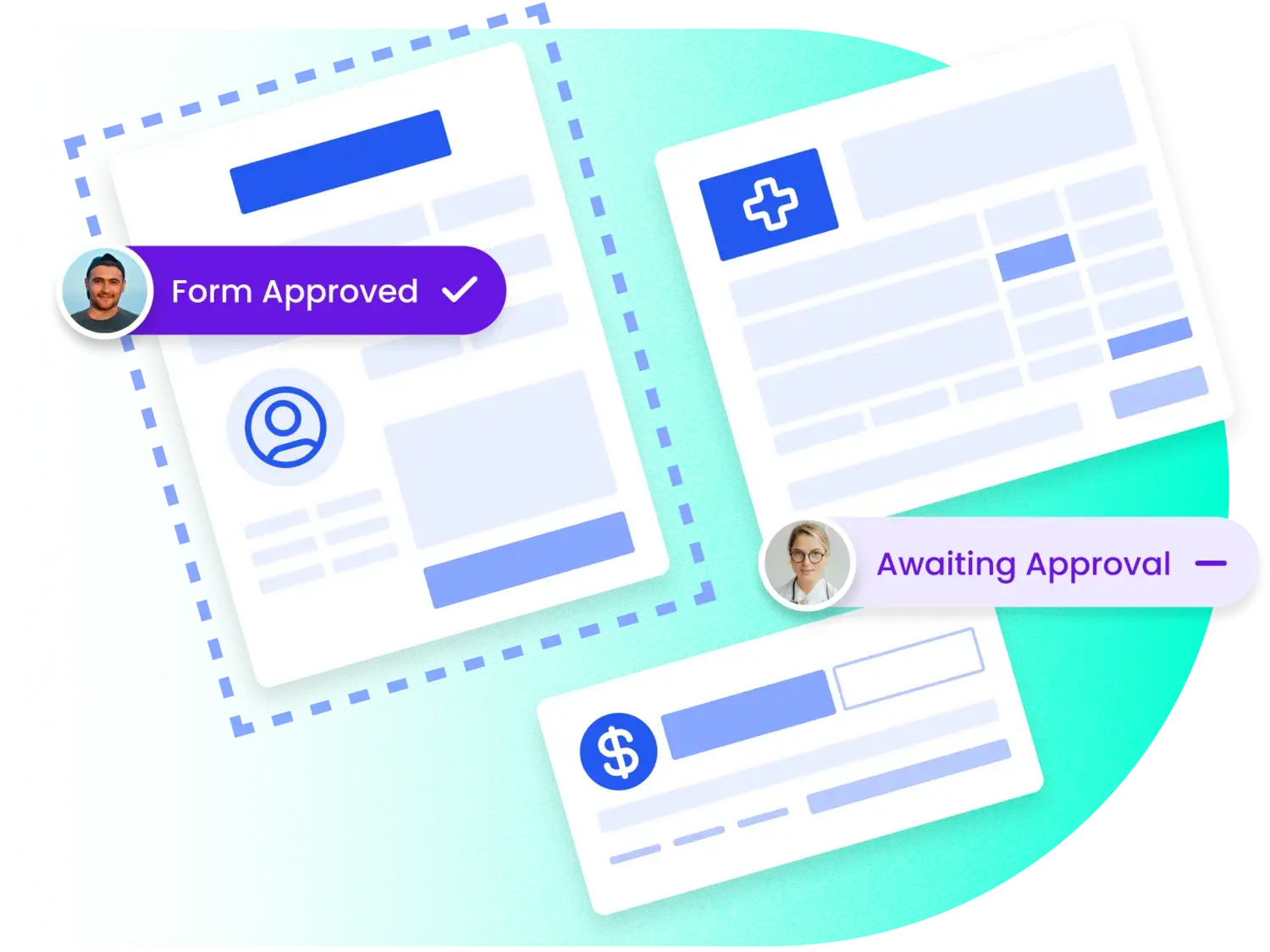
iMedAutomate uses a workflow engine that helps you create and manage content. It's an easy-to-use intuitive system that accelerates the development, approval and updates of both electronic and paper forms.
While iMedHealth can completely eliminate paper through purely digital forms in many instances, certain documents will need to remain paper-based.
iMedAutomate provides an enterprise library for documents, organized in a customizable folder hierarchy. Users are able to print patient-specific documents on-demand at the point-of-care merged with patient demographics and barcodes.
Taylor Healthcare can become the single source for all of your health system’s print products and digital communications. We offer a wide array of managed print and print-related solutions to that improve the patient experience, strengthen physician resources and add to your health system capabilities.
Taylor is a trusted print partner in the healthcare industry, with contracts with all major GPOs.
EHR unavailability will occur sometime in a healthcare environment. It’s not a matter
of if, but a matter of when. Each situation represents hazards that directly affect
patient care and physicians’ ability to provide it.
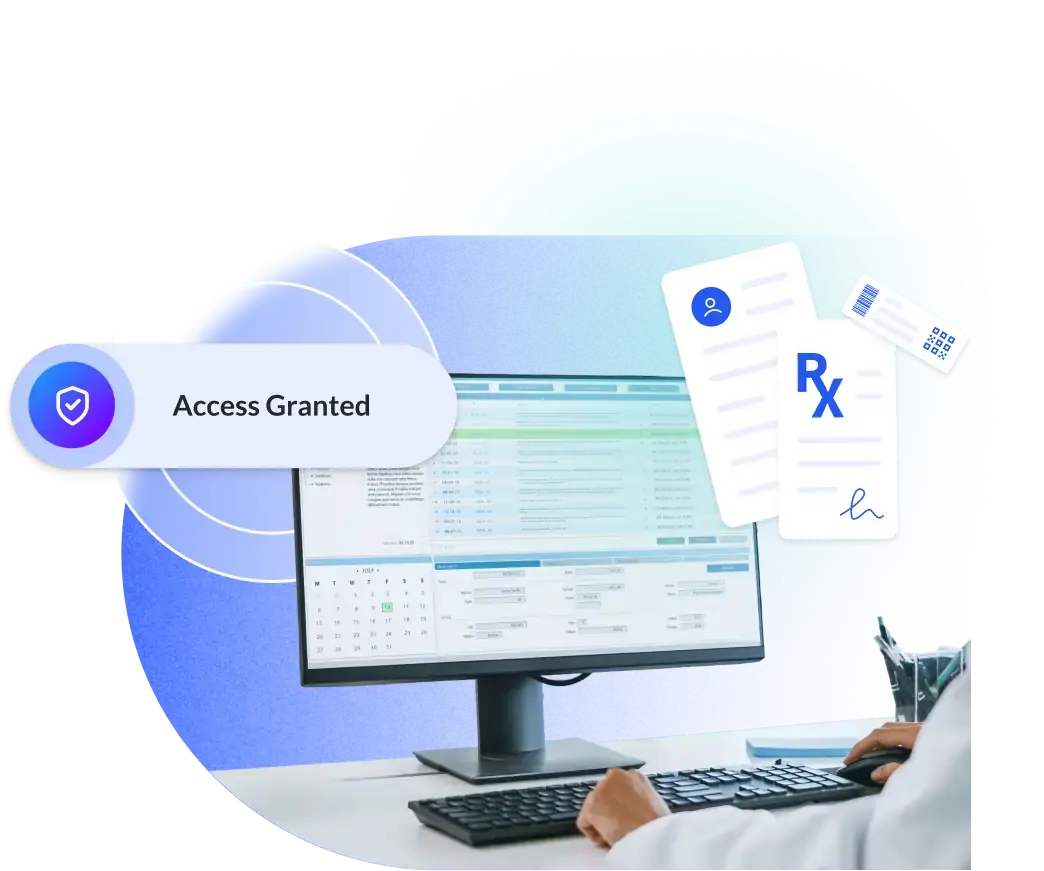
iMedDowntime can be added to
iMedAutomate to provide robust and resilient
downtime contingencies for clinical
documentation processes within the EHR,
ensuring uninterrupted care and operations.
iMedDowntime allows for your document library to be accessed on local workstations throughout the health system. Users can access compliant downtime versions of clinical forms without needing to stock costly and often-out-of-date downtime preprinted forms.
Enhance patient safety and care by being prepared for and defending against any type of outage.
EHR unavailability and outages can lead to increased risks across the entire healthcare organization.
Continue to function efficiently and effectively while resolution is sought.
Eliminate the risk that invariably comes with handwritten wristbands, labels and orders.
Treat patients without the need for overtime and manual workarounds.
Reduce obsolescence by making pre-printed forms and documents unnecessary.
Taylor Healthcare’s deep knowledge of industry-specific regulations helps you
eliminate risk of non-compliance fines and legal ramifications.iMedHealth ensures secure, compliant processes with advanced solutions
tailored to healthcare needs.
An easy-to-use, intuitive system requiring no additional hardware and minimal IT support.
Interoperable with electronic health records (EHRs) for secure storage of sensitive data.
The most current versions of forms are always in use by every facility and provider.
Trusted hosting partner in Microsoft Azure and compliant with industry standards such as:
Explore where mental health, workplace safety, and AI governance and adoption intersect with Dr. Mendoza.
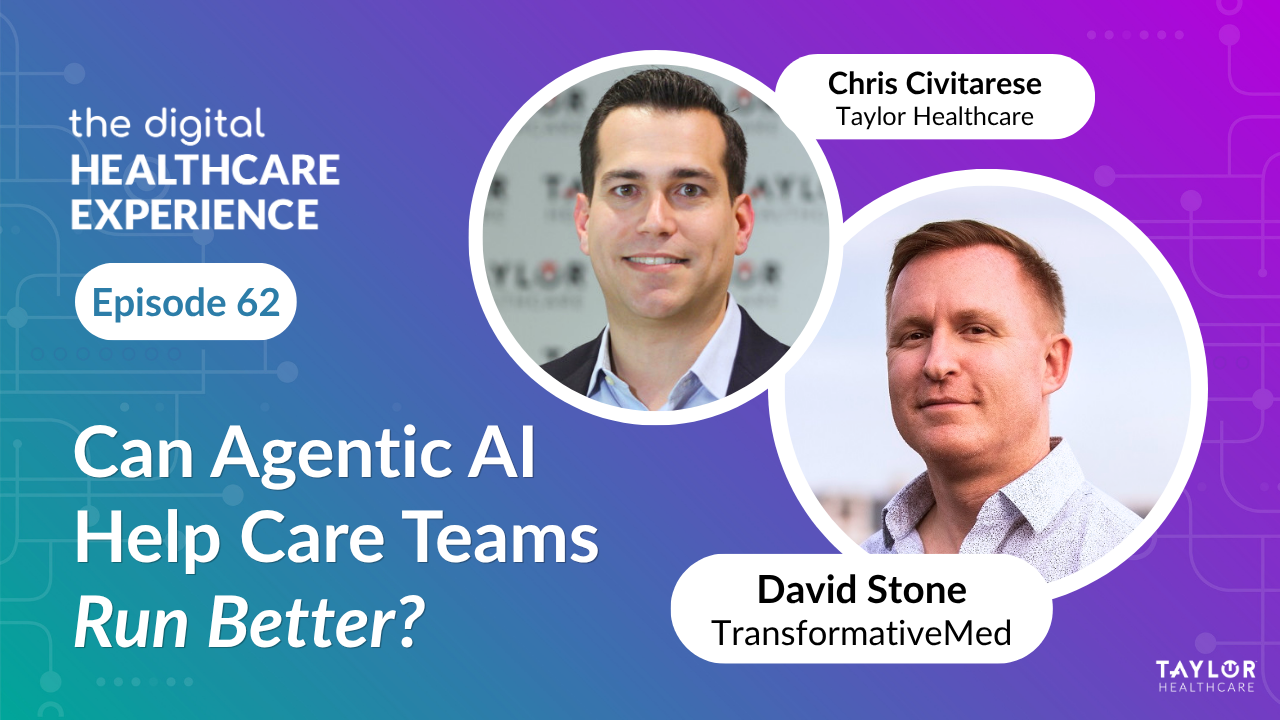
Explore how care coordination remains one of healthcare's most important challenges and effective AI technologies can support care with David Stone.

Explore how clinical intelligence and data-driven insights are evolving pediatric care for rare genetic and neurological conditions with Joshua Resnik...
Explore how artificial intelligence is transforming perioperative care while keeping human expertise at the center with Dr. Mike Guertin.
Explore the latest intersection of responsiveness and adaption with AI in healthcare risk management with Michele Johns.
Explore how AI is transforming healthcare delivery and empowering consumers with CEO Eugene Sayan.
Explore how AI can reshape informed consent, patient understanding and reduce risk in healthcare with Dr. Helen Dao.
Healthcare security goes beyond cyberattacks. Explore workplace violence, workforce stability, AI, patient outcomes, and operational resilience with E...
Learn how Shannon Health streamlined informed consent by integrating Taylor Healthcare's iMedConsent™ content library into Epic, improving efficiency.
Explore how top innovators tackle healthcare problems before platforms, with insights from Mark O’Leary on AI, decision-making and transformation stra...
Nurse leader Kathryn Biasotti shares a patient safety story exposing communication breakdowns, documentation gaps and risk in healthcare systems and o...
Dr. David Lubarsky shares insights on AI in healthcare, digital transformation, sepsis outcomes, workforce adoption, governance and patient-centered c...
Timothy Brown shares healthcare marketing insights on digital presence, patient engagement, CRM, SEO, social media and AI-driven search for health sys...
Scott Becker shares insights on AI in healthcare, ROI, enterprise adoption, clinical applications, revenue cycle automation, workforce and strategy.
Healthcare ransomware attacks are rising. Cyber expert Beth Waller explains how hospitals prepare, respond, and recover before, during, and after an a...
Healthcare AI is moving fast. Learn how AI guardrails, governance, and oversight protect patient safety as agentic AI scales across healthcare workflo...
Dr. Tom Scaletta reveals how AI and automation enhance ER admission decisions, hospital utilization, clinical consistency, and value‑based care strate...
Explore gravity, virtual reality, biology, and digital health as Dr. Brennan Spiegel reveals how VR, perception, and evolution shape mind‑body healing...
Marco Benitez breaks down how clinical‑grade wearables, continuous data, and AI are reshaping preventive care, patient engagement, and digital health.

The importance of informed consent forms in healthcare is rising as the concept of patient-centered care revolutionizes how informed consent is done.

Managing downtime in healthcare starts with a documented contingency plan that keeps critical clinical and registration workflows available when the EHR, network, power or connected systems are interrupted. Effective downtime management includes maintaining current downtime forms, patient identification processes, medication and order workflows, staff training, and clear escalation steps so care teams can continue treating patients safely. Organizations also need local access to the right documents and patient-facing materials across departments, which helps reduce delays, manual errors and confusion during both short outages and prolonged disruptions. Connecting downtime readiness to everyday operations with digital forms automation and standardized workflows supports continuity, compliance, safer care and faster recovery.
Healthcare system downtime can disrupt nearly every part of care delivery, creating immediate risks for patient safety, revenue cycle performance, regulatory compliance and staff productivity. When the EHR, ADT feeds, CPOE tools, printers, networks or connected clinical systems become unavailable, teams may lose access to medication histories, allergy details, consent records, patient identification workflows, discharge instructions and other information needed to deliver timely care. This forces departments to shift to manual processes that can increase errors, delays, duplicate work and communication gaps. Extended outages can also slow registration, reduce throughput, lengthen stays, raise overtime and complicate recovery with outdated or inaccessible documents.
Patient consent is the process of giving a patient clear, relevant information about a treatment, procedure, or care plan so they can make a voluntary and informed decision. That means explaining the purpose of care, expected benefits, possible risks, available alternatives and what may happen if the patient chooses not to proceed. Healthcare organizations can improve patient understanding by using plain-language forms, patient-specific education, visual and multimedia content and translated materials that match the patient’s communication needs. It also helps to deliver education before, during, and after the visit so patients have time to review information, ask questions and confirm understanding. When digital consent, education and communication workflows are integrated with the EHR, teams can standardize messaging, document comprehension more consistently and support better patient engagement across the care journey.
Many patients leave the consent process with only a partial understanding of what was discussed, especially when information is delivered quickly, includes complex medical language or comes at a stressful moment in care. True informed consent means the patient understands the purpose of the procedure, the expected benefits, the material risks, available alternatives and what could happen if treatment is delayed or declined. Comprehension can vary widely based on health literacy, language preference, emotional state, cultural factors, and the amount of time providers have to answer questions. That is why healthcare organizations are moving toward digital informed consent tools that present consistent, patient-specific information in clearer formats and in the patient’s preferred language.
You can assess patient health literacy by looking at how well a patient can find, understand and use health information during real care interactions. This includes asking patients to explain instructions in their own words, noting whether they can complete forms accurately and identifying where medical terms, care steps or follow-up directions create confusion. Staff should also pay attention to language preference, cultural context, emotional stress and digital access, since each of these can affect how information is received and acted on. A reliable approach combines plain-language communication, teach-back methods, translated materials and standardized workflows so gaps in understanding are easier to spot early.
Health literacy has a direct effect on patient care because it shapes how well people understand their diagnosis, treatment options, consent information, medications and follow-up instructions. When patients struggle to understand health information, they are more likely to miss appointments, delay care, use medications incorrectly or have difficulty following discharge plans, which can increase readmissions and negatively affect outcomes. It also affects patient engagement, since patients who do not fully understand what is being asked of them may be less likely to ask questions, participate in shared decision-making or use digital tools such as patient portals and online forms.
Patient engagement is the ongoing process of helping patients take an active, informed role in their care across every stage of the healthcare journey. It goes beyond appointment reminders or portal access and includes how patients receive information, complete forms, review consent documents, understand treatment options, ask questions and follow care instructions after the visit. Strong patient engagement depends on clear communication, timely education, and convenient digital tools that meet patients where they are, whether before, during or after care.
Patient engagement can be improved by making it easier for patients to understand information, complete required tasks and stay connected to their care before, during and after each visit. That means offering digital intake forms, informed consent, education materials and follow-up instructions in formats that are easy to access on a mobile device, computer or through existing patient portal workflows. Engagement also improves when communication is timely, personalized and delivered in the patient’s preferred language, because patients are more likely to review instructions and take action when the experience feels relevant and convenient. A strong strategy supports care continuity during normal operations and during downtime events, so patients can still receive the right forms, instructions and identification processes without unnecessary delays.
A patient engagement platform should include digital intake forms, informed consent, patient education, secure messaging and follow-up tools that support the full care journey before, during and after the visit. It should also integrate with the EHR so staff can launch workflows within existing processes, exchange data in real time and document activity without duplicate entry. Strong platforms support patient portal strategies while also reaching patients through mobile-friendly channels, since not every patient consistently uses a portal. To improve understanding and health equity, the platform should provide plain-language content, multilingual support, multimedia education and communication options that match different learning styles. Healthcare organizations should also look for workflow automation, document management, version control and role-based approvals so forms and content stay current, compliant and easy to manage across departments. Because continuity matters as much as convenience, the platform should be secure, HIPAA-aligned and capable of supporting care operations during EHR downtime with access to approved forms, patient identification workflows and essential documentation.
Healthcare organizations automate intake forms by replacing manual, paper-based registration with digital forms that patients can complete before arrival or at the point of care using their own devices. When these forms are connected to the EHR, patient demographics, insurance details, consent information and clinical intake responses can move into existing workflows with less duplicate data entry and fewer registration errors. Automation also helps standardize forms across departments, improve version control and ensure staff are always using the most current approved documentation. In addition, mobile-friendly intake supports patient engagement by giving patients more time to review information, complete forms in their preferred setting and receive materials in the appropriate language. A strong approach also includes workflow rules, document management and secure integration so completed forms are routed correctly, stored compliantly, and accessible when teams need them. For greater continuity, healthcare intake automation should also support downtime-ready workflows, allowing organizations to maintain registration and patient-facing documentation processes during EHR or network interruptions.
Document management improves healthcare by giving organizations a more reliable way to create, control, distribute and access the forms and documents that support care delivery. When clinical, administrative and patient-facing documents are standardized and centrally managed, teams spend less time searching for the right version and more time focusing on patients. It also strengthens compliance by supporting version control, approval workflows and consistent use of current forms across departments and facilities. When document management is connected to EHR workflows, staff can complete tasks with fewer manual steps, reduce duplicate work and keep important information aligned with the patient record. Strong document management also supports patient engagement by making it easier to deliver digital forms, consent materials, education and discharge instructions in a timely and organized way. During downtime events, local access to approved documents helps preserve continuity of care, reduce confusion and keep operations moving safely.
Fields marked with an asterisk (*) are required.