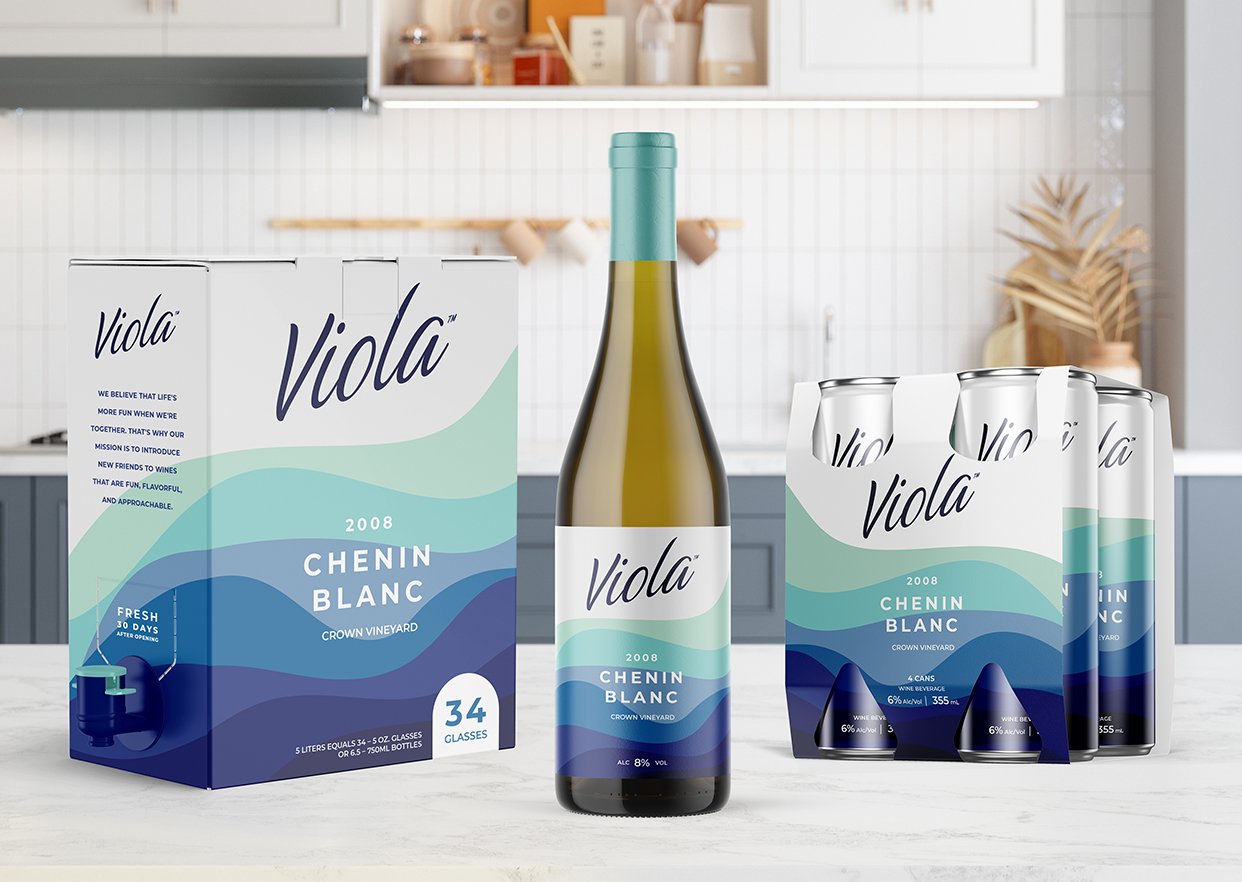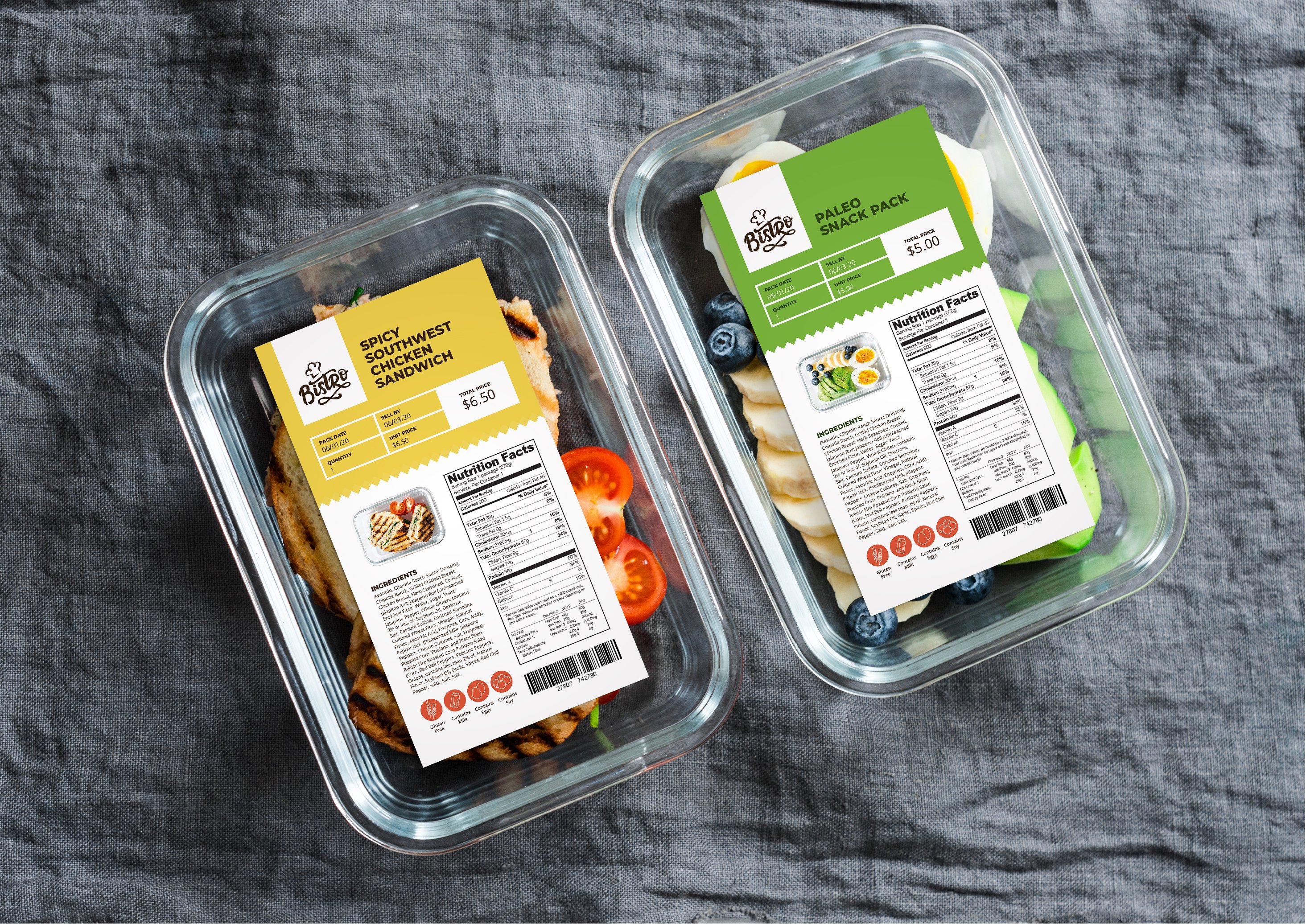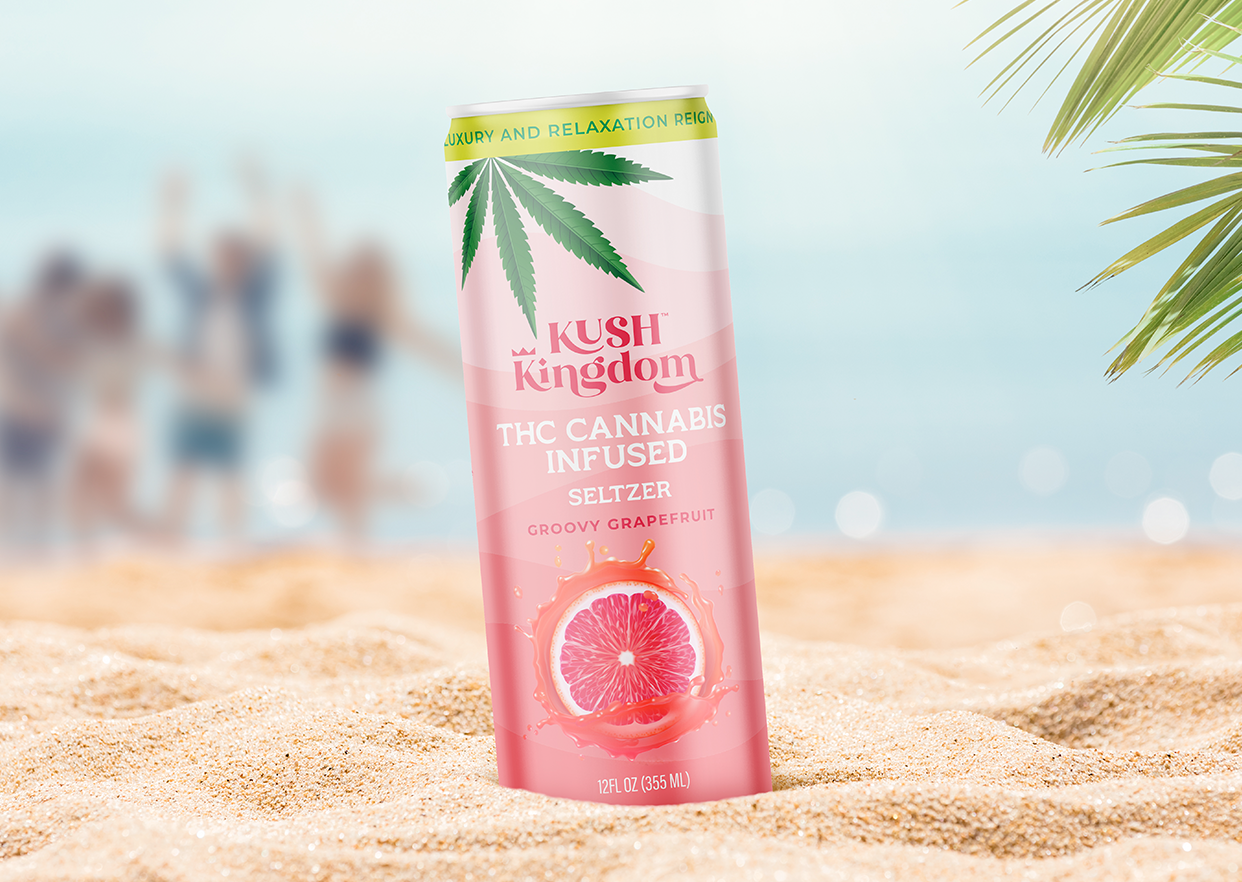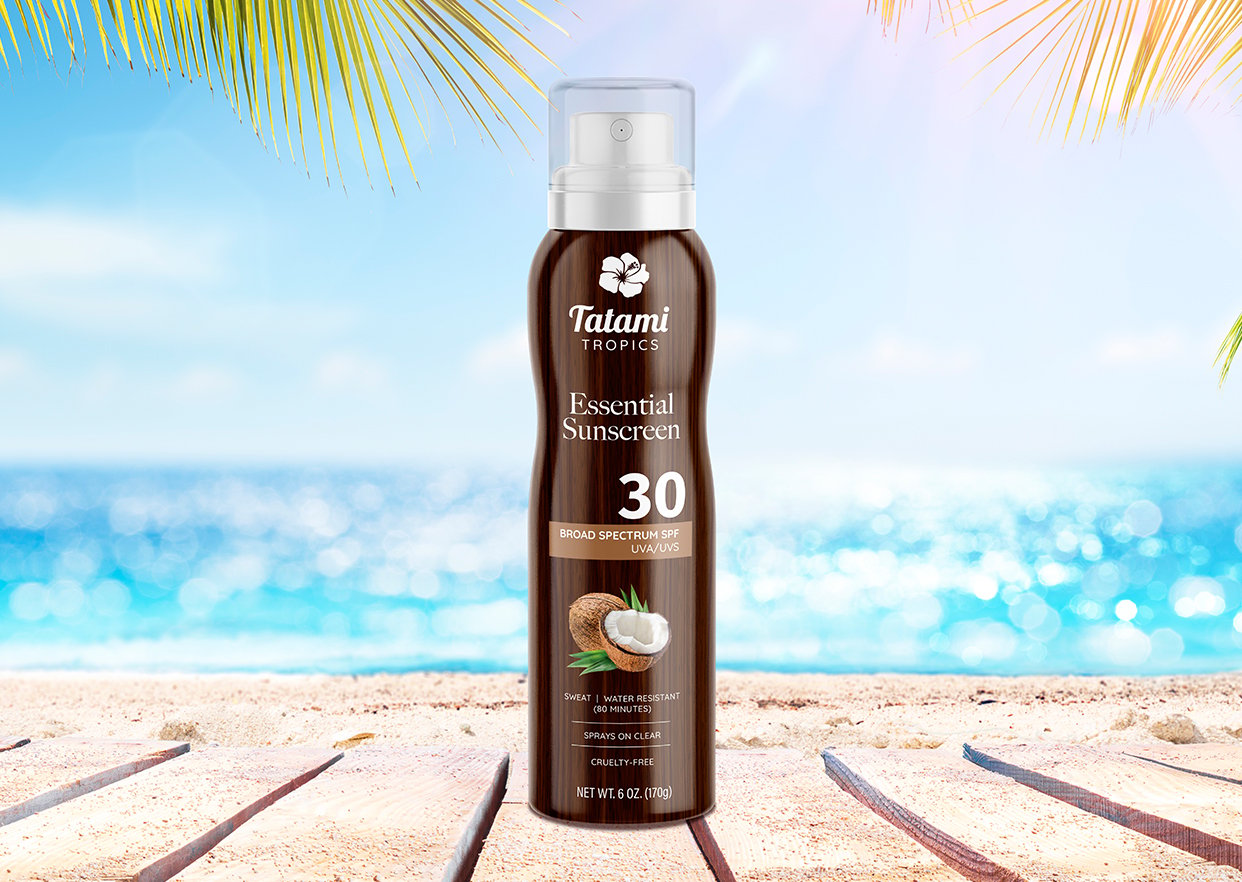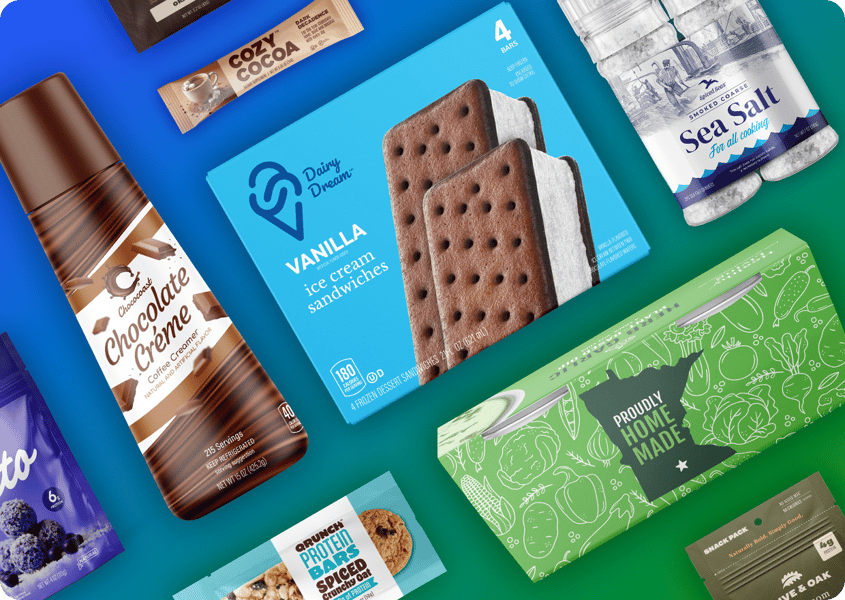
Considered one of the largest consumer markets in the world, the U.S. packaged food industry is valued at more than $1 trillion with continuous growth driven by demand for convenience, shelf stability and “clean-label” products. Not surprisingly, the U.S. food packaging market itself is also quite significant, valued at $96.6 billion in 2024. From pressure-sensitive labels and shrink sleeves to folding carton packaging, flexible packaging solutions and other formats, packaging and labeling are often the first point of consumer engagement.
This last point is especially critical to smaller food brands fighting for market share and shelf space at every turn. What role does food packaging design play in their success? What does good packaging design for small food brands look like? How can innovative food packaging design help small-to-medium-sized food brands stand apart at the point of sale? Keep reading as we explore the topic of branded labels and packaging from the vantage point of the small food company.
- What are the key elements of food packaging?
- What food packaging design strategies should be considered?
- What are the types of food packaging designs?
- What are some unique food packaging ideas for small businesses?
- What is the best packaging design for small food brands?
What are the key elements of food packaging?
Food packaging serves multiple purposes beyond simply holding a product. Effective food packaging design is characterized by several elements.
- Protection: Packaging must safeguard food from contamination, spoilage and damage during transport and storage.
- Preservation: Materials and formats should extend shelf life, whether through barrier films, vacuum sealing or resealable closures.
- Compliance: Labels must meet regulatory requirements, including nutrition facts, ingredient lists, allergen warnings and expiration dates.
- Branding: Packaging is a primary marketing tool, communicating brand identity, values and product positioning.
- Convenience: Easy-to-open seals, resealable features and portion control enhance consumer usability.
- Sustainability: Increasingly, packaging must align with environmental expectations, using recyclable, compostable or reduced-material formats.
What food packaging design strategies should be considered?
Food companies must balance creativity with practicality when designing packaging. A variety of factors should be considered.
- Clarity: Packaging labels should communicate essential information quickly and legibly. Consumers often make decisions in seconds.
- Differentiation: Unique colors, typography or shapes help products stand out on crowded shelves.
- Storytelling: Packaging can convey a brand’s origin, mission or values, creating emotional connections.
- Functionality: Effective food packaging design considers how consumers interact with the product, from opening to storage.
- Cost efficiency: Materials and printing methods must align with budget constraints while maintaining quality.
- Regulatory alignment: Designs must leave space for mandatory information without cluttering the layout.
What are the types of food packaging designs?
The U.S. food marketplace is dominated by a relatively short list of packaging formats.
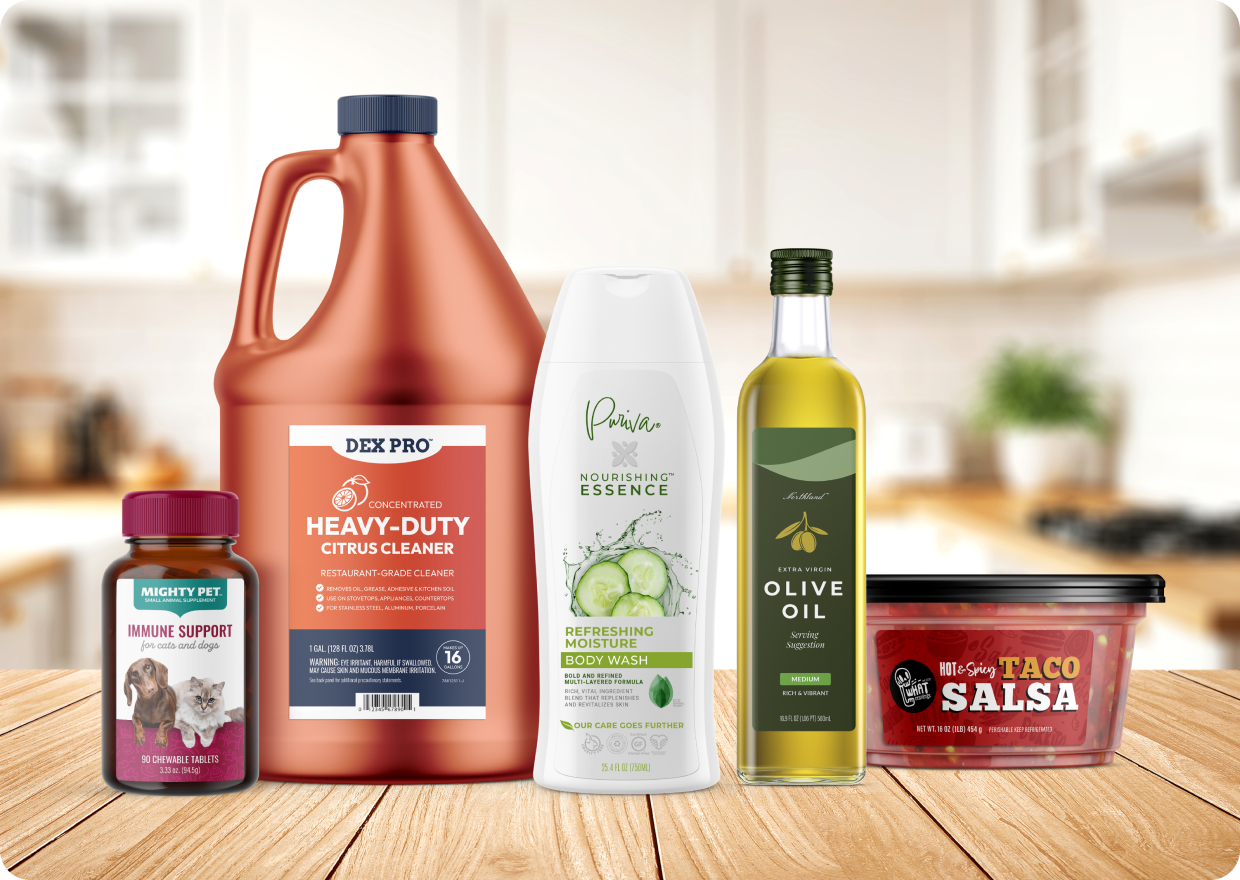
- Labels: Applied to jars, bottles and other rigid containers, labels are cost-effective and versatile.
- Custom folding carton packaging: Common for dry goods, frozen foods and confectionery, custom folding boxes and cartons offer ample space for branding.
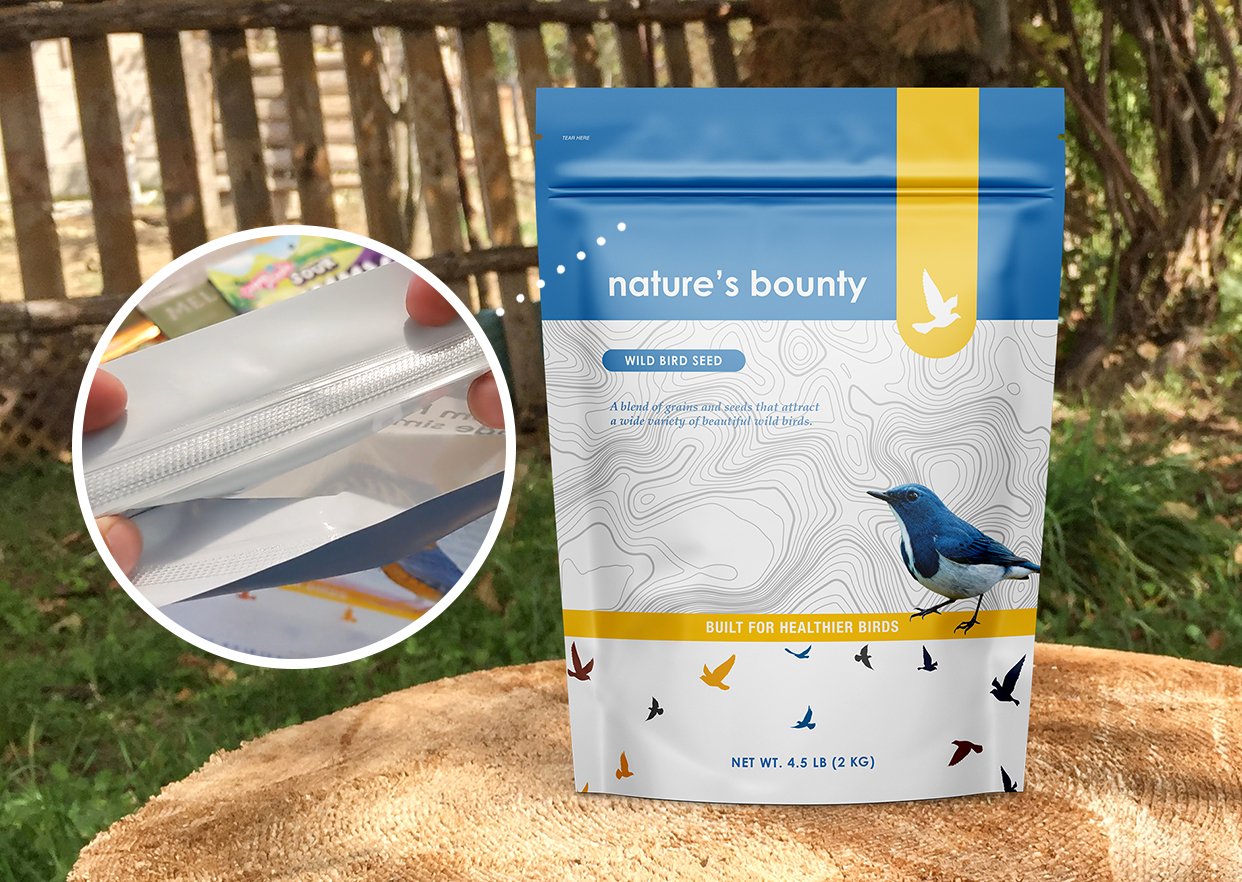
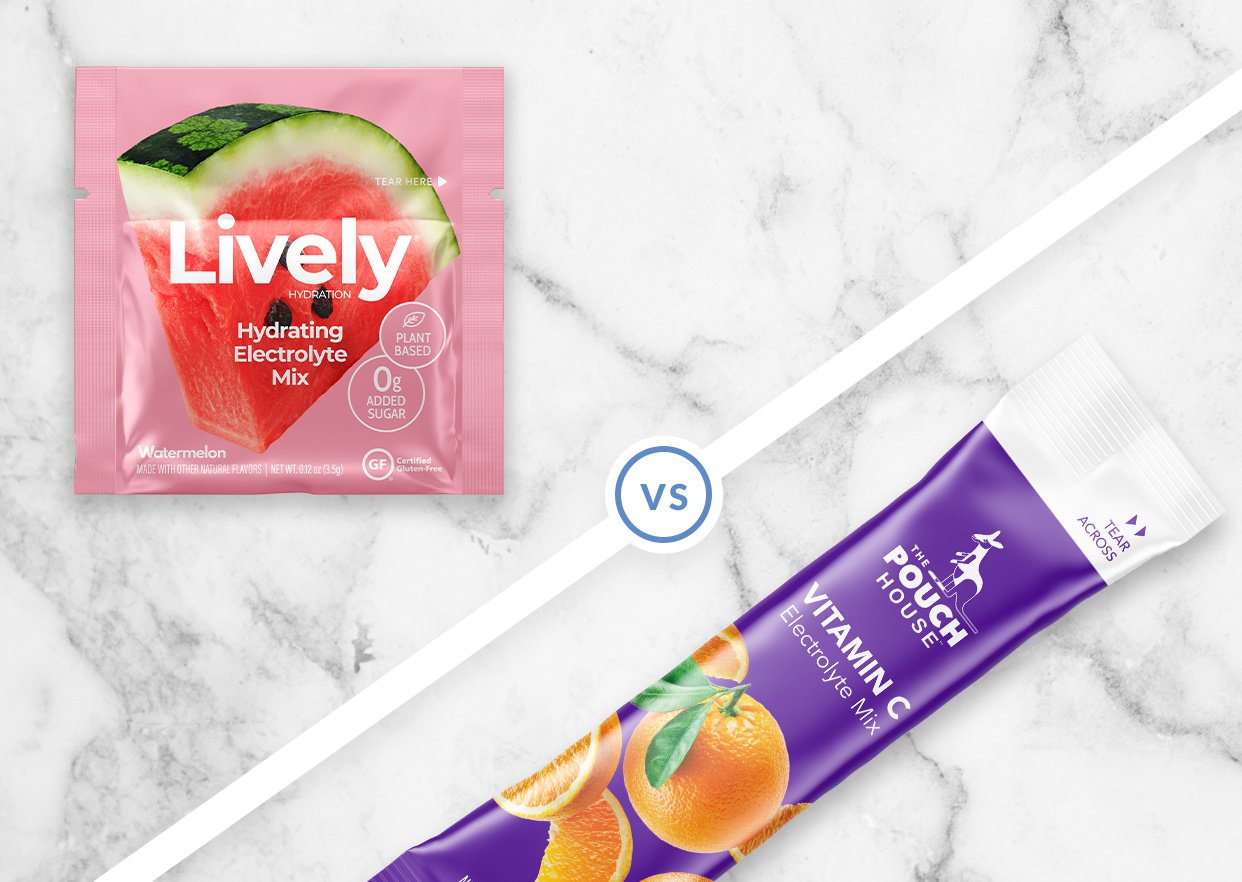
- Custom flexible packaging: Made from high-barrier films, pouches and bags are lightweight, resealable and increasingly popular for snacks and ready-to-eat foods.
- Shrink sleeves: Shrink sleeves are full-body labels that conform to container shapes, maximizing design coverage.
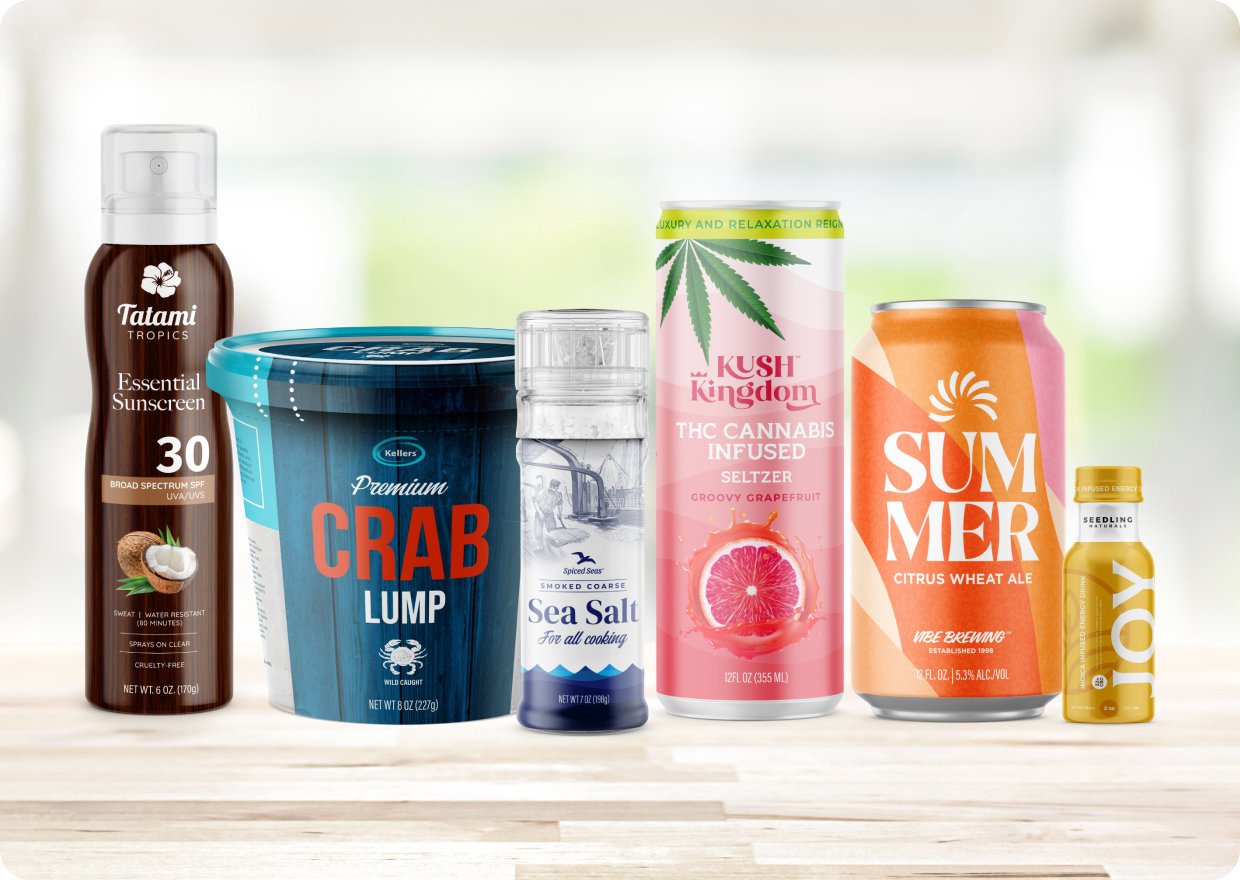
- Rigid containers: Glass jars, plastic tubs and metal cans provide durability and protection for liquids or perishable items. These rigid containers, in turn, are often decorated with pressure-sensitive labels and shrink sleeves.
What are some unique food packaging ideas for small businesses?
Smaller brands can leverage creativity to compete with larger players. Some creative food packaging ideas are as follows.
- Transparent windows: Allow consumers to see the product, building trust and appetite appeal.
- Interactive packaging: Add QR codes linking to recipes, sourcing information or brand stories.
- Minimalist design: Use custom packaging solutions featuring clean, simple layouts that emphasize authenticity and quality.
- Sustainable materials: Illustrate your commitment to environmental sustainability through the use of compostable films, recycled paperboard or plant-based plastics.
- Limited editions: Consider seasonal or regional packaging designs to create urgency and exclusivity.
- Multi-functional packaging: Provide value after the product is used up. Containers that can be reused, such as screw-top jars, double as storage.
- Textured finishes: Incorporate matte coatings, embossing and other tactile elements that enhance sensory engagement.
What is the best packaging design for small food brands?
The “best” packaging design for a small food brand is entirely dependent upon the product (liquid vs. solid, perishable vs. non-perishable, etc.) and the use case preferred by the consumer (single-serve vs. resealable, short-term use vs. long shelf life). However, the most effective food packaging designs invariably combine functionality, compliance and brand storytelling. Food packaging design strategies for small brands should:
- Protect and preserve the product while meeting regulatory standards.
- Reflect the brand’s identity and values in a way that resonates with target consumers.
- Be cost-effective, scalable and adaptable to product line extensions.
- Incorporate sustainable practices to align with heightened consumer expectations and industry trends.
- Stand out visually in retail environments while remaining practical for distribution and storage.
For small food brands, packaging is not just a container but a strategic tool. It influences consumer perception, supports compliance and drives sales. By embracing the latest packaging innovations and creative food packaging concepts, small businesses can position themselves to compete — and thrive — in the vast U.S. packaged food market.
Taylor: Custom packaging solutions for small food brands
Consumer packaged goods brands — including food companies nationwide — look to Taylor for innovative, cost-effective packaging and labeling solutions including:
- Custom folding carton packaging
- Custom flexible packaging
- Pressure-sensitive labels
- Shrink sleeve labels
- Roll-fed labels
- RFID and smart labels
- In-mold labels, and more
A wide variety of custom packaging solutions are available through a single vendor relationship, making Taylor an ideal partner for smaller food brands in need of flexibility, value and speed to market.
Looking to capitalize on the many benefits of custom packaging? Contact Taylor to learn about our unique food packaging ideas for small businesses.