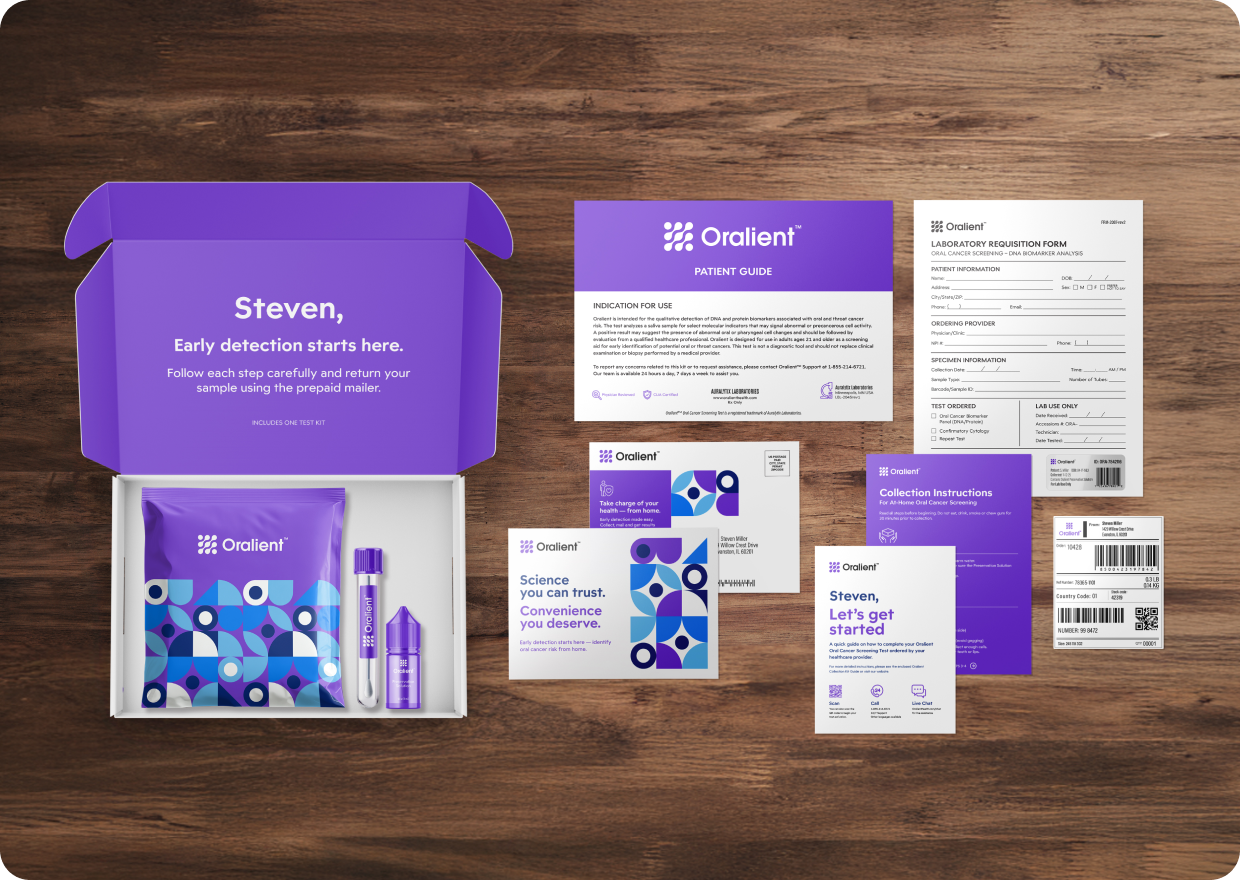
As noted in our blog on at-home medical device kitting, healthcare organizations are under increasing pressure to deliver medical products, diagnostic materials and patient supplies quickly, accurately and cost-effectively. At the same time, healthcare delivery is becoming more decentralized, with services extending beyond hospitals and clinics to physician offices, research sites and patient homes. These changes have made healthcare kitting and fulfillment an increasingly important component of healthcare logistics.
Whether an organization is distributing clinical trial materials, at-home testing kits or medical device starter kits, an effective kitting strategy can improve operational efficiency, reduce errors and support a better patient experience. Keep reading to learn what healthcare kitting and fulfillment involves, why it matters and what you should look for in a healthcare kitting service provider.
- What is custom kitting in a supply chain context?
- What is healthcare kitting and fulfillment?
- Medical device starter kits
- Clinical trial kits
- Patient home health kits
- Vaccination or testing kits
- Hospital procedure kits
- Employee wellness or screening kits
- Laboratory testing kits
- Why is kitting important in healthcare logistics?
- Multiple products need to be bundled into a single package or kit
- Distributing medical devices, patient supplies or clinical trial materials
- Consistency, accuracy and regulatory compliance are critical
- Shipping kits directly to patients, providers, clinics or healthcare facilities
- Scaling up distribution without expanding internal operations
- Reducing fulfillment time and simplifying inventory management are priorities
- Outsourced Kitting Services: How do kitting services work in healthcare?
- The kit assembly and packaging process
- Healthcare logistics and regulatory compliance
- Third-party (3PL) and fulfillment services
- What should you look for in a healthcare kitting and fulfillment partner?
What is custom kitting in a supply chain context?
Custom kitting is the process of assembling multiple products, components or materials into a single ready-to-use package designed for a specific purpose. Rather than shipping individual items separately, organizations rely on kitting and assembly services to bundle everything needed for a particular workflow, task or user into one kit.
In a broader supply chain context, custom kitting helps improve efficiency by reducing picking, packing and handling activities. It also simplifies distribution because end users receive all required components in a single shipment instead of managing multiple deliveries from multiple sources.
Custom kitting and fulfillment can be used in many industries, including manufacturing, retail and healthcare. In healthcare, however, the process becomes more complex because many kit components may be regulated, traceable or subject to strict quality requirements.
What is healthcare kitting and fulfillment?
Healthcare kitting and fulfillment involves assembling, packaging, managing inventory and distributing healthcare-related products as complete kits to patients, providers, research sites or healthcare facilities. The objective is to ensure that all required components arrive together in the correct configuration and condition.
Healthcare kitting often includes regulated materials, detailed instructions, labeling requirements and quality controls. Fulfillment services then manage storage, inventory tracking, order processing, shipping and delivery. See below for descriptions of the most common healthcare kitting use cases.
Medical device starter kits
Medical device starter kits help patients begin using a new medical device safely and effectively. These kits typically combine the device itself with instructions, accessories, consumables, educational materials and any required registration or onboarding information.
By consolidating everything into a single package, healthcare organizations can improve patient compliance and reduce confusion during the adoption process. A well-designed starter kit can also reduce support calls and accelerate successful device utilization.
Clinical trial kits
Clinical trial kits support research studies by providing investigators, clinicians or participants with the necessary materials for protocol execution. Contents may include collection devices, specimen containers, patient instructions, forms, labels and return packaging.
Consistency is particularly important in clinical research. Standardized kitting helps ensure that every participant receives the same materials and that sample collection procedures remain consistent across multiple study sites.
Patient home health kits
Patient home health kits enable healthcare services to be delivered outside traditional care settings. These kits may include monitoring devices, collection tools, testing materials, educational resources and return shipping materials.
As healthcare organizations expand remote care programs, home health kits play a critical role in supporting patient engagement and improving access to care. Proper kit design helps reduce user error while making the patient experience as simple as possible.
Vaccination or testing kits
Vaccination and diagnostic testing programs often require carefully coordinated kit assembly and distribution. These kits may include collection devices, specimen containers, patient instructions, labels and protective packaging.
Large-scale at-home medical test kitting programs frequently depend on highly standardized kitting operations. The ability to assemble and distribute thousands of kits consistently can directly affect program efficiency and participant satisfaction.
Hospital procedure kits
Hospital procedure kits are designed to streamline clinical workflows by grouping all required supplies for a specific medical procedure. Rather than gathering items individually, physicians and providers receive a preassembled kit containing everything needed for the task.
Procedure kits can improve efficiency, reduce preparation time and help minimize the risk of missing critical components. They may also contribute to inventory optimization by standardizing supply usage.
Employee wellness or screening kits
Employers increasingly sponsor wellness and screening programs that require distributing kits to employees across multiple locations. These kits may include testing materials, collection devices, educational information and return shipping supplies.
Healthcare kitting and fulfillment providers can support these initiatives by managing assembly, inventory, distribution and return logistics. This allows organizations to scale programs efficiently without creating additional administrative burdens.
Laboratory testing kits
Laboratory kitting services support diagnostic and screening programs by providing all materials needed for specimen collection and processing in a single package. Kits may include collection devices, specimen containers, labels, instructions and return packaging for laboratory analysis.
Standardized laboratory kitting services help ensure consistency, improve collection accuracy and simplify distribution to patients, clinics, employers or healthcare facilities. They also support scalable testing programs while helping laboratories maintain efficient workflows and quality standards.
Why is kitting important in healthcare logistics?
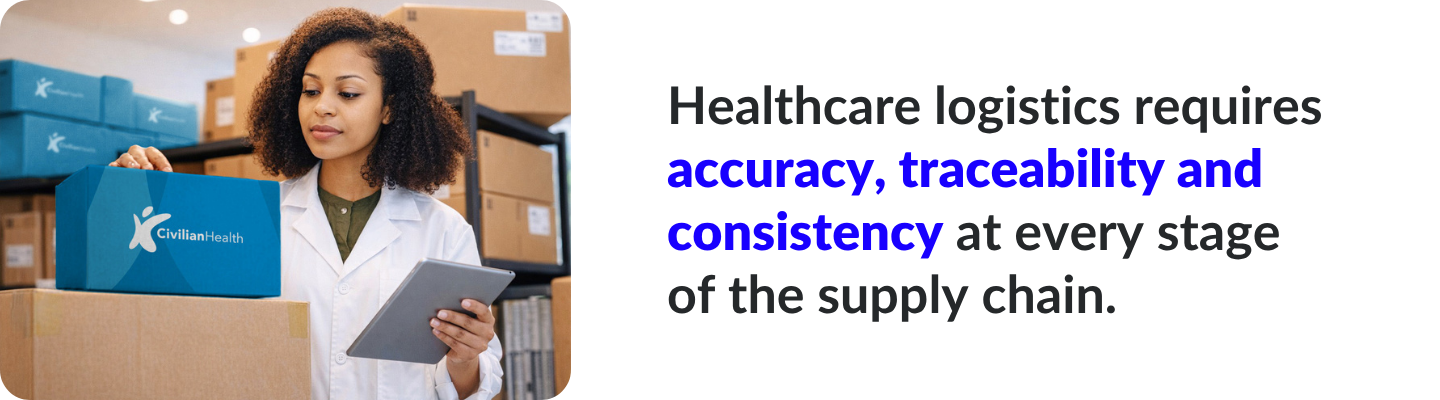
Healthcare logistics requires accuracy, traceability and consistency at every stage of the supply chain. Kitting helps organizations manage complexity while improving operational performance.
The benefits of kitting in healthcare logistics become especially clear when organizations must overcome the challenges involved in product assembly, compliance, fulfillment speed and distribution scale. Consider the following scenarios and how healthcare-specific product kitting and fulfillment services play a role.
Multiple products need to be bundled into a single package or kit
Many healthcare workflows depend on multiple components working together as a single solution. A kit may require devices, instructions, packaging materials, forms, labels and accessories.
Without a structured kitting process, assembling these materials manually can become time-consuming and prone to errors. Kitting ensures that all required components are packaged together correctly and consistently.
Distributing medical devices, patient supplies or clinical trial materials
Healthcare organizations routinely distribute products to a wide variety of destinations, including hospitals, physician offices, laboratories, research sites and patient homes. Each distribution channel introduces different operational requirements.
Kitting allows organizations to standardize the contents of each shipment while simplifying logistics and reducing fulfillment complexity.
Consistency, accuracy and regulatory compliance are critical
In healthcare environments, mistakes can have significant consequences. Incorrect materials, missing components or labeling errors can disrupt patient care, compromise research studies or create compliance concerns.
Formal kitting processes support quality assurance by incorporating documented procedures, verification steps and traceability controls. These safeguards help organizations maintain consistency across every kit produced.
Shipping kits directly to patients, providers, clinics or healthcare facilities
Healthcare distribution increasingly involves direct-to-patient fulfillment, such as in at-home medical test fulfillment. Unlike traditional bulk shipments to healthcare facilities, individual residential deliveries require more sophisticated logistics management.
Organizations must manage address validation, shipment tracking, delivery confirmation and customer support while ensuring that kits arrive intact and ready for use. Professional fulfillment services help support these requirements.
Scaling up distribution without expanding internal operations
As healthcare programs grow, demand for kits can increase rapidly. What begins as a pilot project may eventually involve thousands or even millions of kits distributed across broad geographic regions.
Building additional internal infrastructure is not always practical. Product kitting and fulfillment partners can provide scalable labor, warehousing and distribution resources that allow organizations to expand efficiently.
Reducing fulfillment time and simplifying inventory management are priorities
Healthcare organizations are constantly seeking ways to streamline operations. Kitting can reduce fulfillment complexity by converting numerous individual stock-keeping units into a single shippable solution.
Simplified inventory management can improve visibility, reduce handling time and support more predictable fulfillment workflows. Faster fulfillment can also improve patient experience and program performance.
Outsourced Kitting Services: How do kitting services work in healthcare?
Many healthcare organizations choose to utilize outsourced fulfillment and packaging services. These providers offer expertise, technology and infrastructure designed to support healthcare-specific requirements. Outsourcing allows organizations to focus on patient care, research or product development while relying on experienced specialists to manage logistics execution.
The kit assembly and packaging process
The healthcare kitting process typically begins with receiving and inspecting incoming materials.
- Components are verified, inventoried and stored according to defined procedures.
- During assembly, workers follow documented work instructions to ensure each kit contains the correct items in the proper configuration.
- Quality checks may occur at multiple stages throughout the process to verify accuracy before final packaging and shipment.
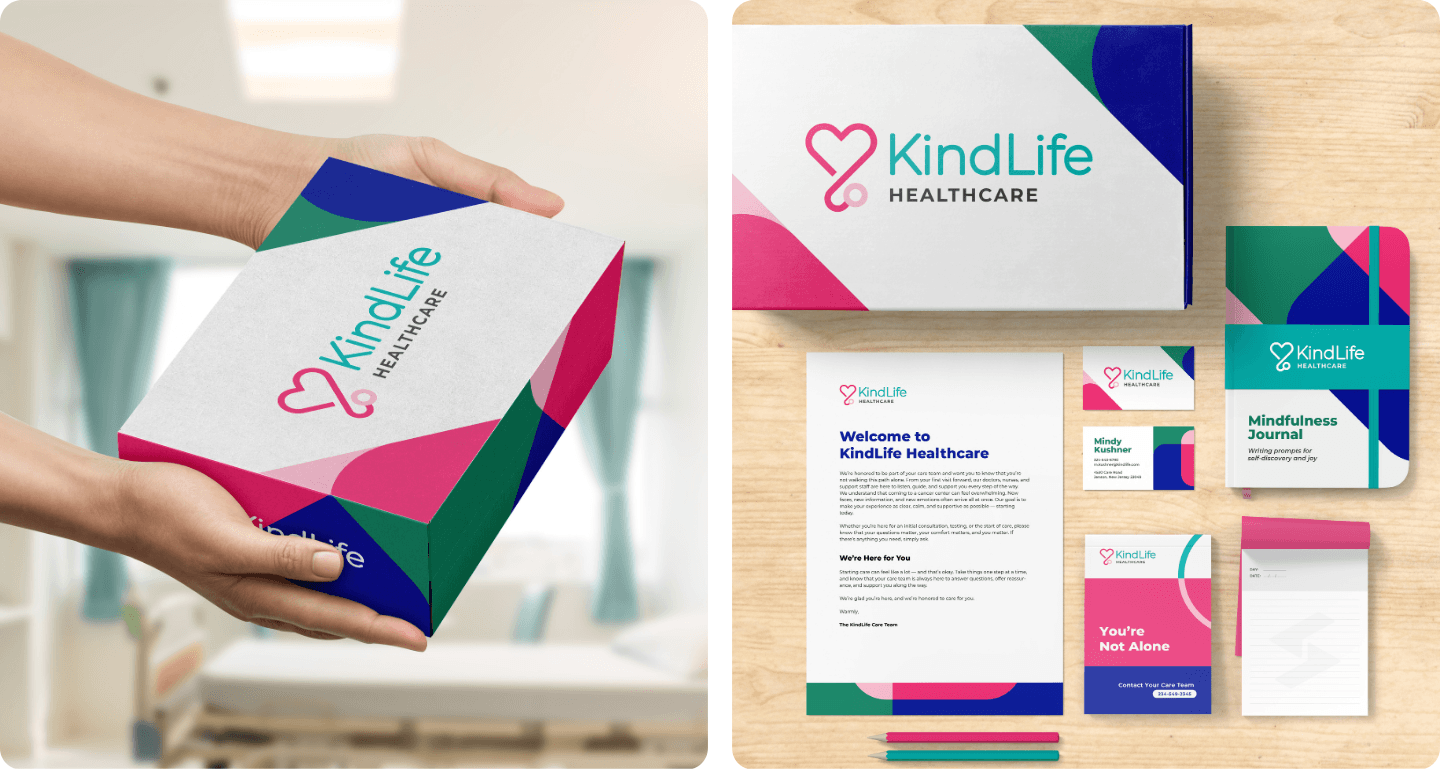
- Packaging design is also important. Kits must protect contents during transportation while remaining intuitive and easy for patients or clinicians to use. Packaging may include instructions, labels, inserts and protective materials tailored to the kit's intended purpose.
Healthcare logistics and regulatory compliance
Medical packaging differs from ordinary product bundling because many healthcare products are subject to regulatory requirements and quality standards. Organizations often require traceability for lot numbers, expiration dates and individual components. Documentation, quality control procedures and inventory controls help support compliance objectives while reducing operational risk.
Depending on the products being handled, healthcare assembly and fulfillment services may also need specialized processes related to storage conditions, product handling, labeling accuracy and controlled distribution.
Third-party (3PL) and fulfillment services
Third-party logistics providers, commonly referred to as 3PLs, manage many of the operational activities associated with healthcare kitting and fulfillment.
Services commonly include inventory management, warehousing, kit assembly, order processing, pick-and-pack operations, shipping coordination and reporting. Some providers also manage reverse logistics, including returns, specimen transport and replacement kit distribution.
By leveraging a healthcare-focused 3PL, organizations can access specialized infrastructure and expertise without making significant capital investments in facilities, technology or staffing.
What should you look for in a healthcare kitting and fulfillment partner?
Choosing the right healthcare kitting service provider can have a significant impact on operational performance, compliance and patient satisfaction. Be sure to evaluate all prospective providers carefully before making a decision.
- Look for experience supporting healthcare-specific workflows and regulated environments. Healthcare logistics presents unique challenges that general fulfillment providers may not fully understand.
- Assess the provider's quality management processes, documentation standards and traceability capabilities. Strong quality systems help reduce risk while supporting consistency across large-scale programs.
- Evaluate scalability as well. A provider should be capable of supporting both current volumes and future growth without sacrificing quality or turnaround times.
- Technology is another important consideration. Inventory visibility, order tracking, reporting capabilities and integration with existing systems can improve operational efficiency and decision-making.
- Finally, assess the provider's ability to support a wide range of fulfillment models. Healthcare organizations may need to ship to hospitals, clinics, physician offices, laboratories, research sites and patient homes simultaneously. The right partner should be able to manage these diverse distribution channels with accuracy and reliability.
Taylor Healthcare: Custom healthcare kitting and fulfillment services
Having served the healthcare industry for nearly a century, Taylor Healthcare partners with 100 of the top IDNs and the top five GPOs on a vast assortment of communications products and services. We are also a trusted provider of warehousing and fulfillment services for healthcare organizations, including the types of healthcare kitting and fulfillment solutions described above.
The result is a unique, single-source offering unlike any other in the category:
- Taylor Healthcare provides labels, wristbands, PPE products, promo marketing, signage and other solutions to healthcare organizations nationwide.
- Taylor Healthcare’s sister company, Venture Solutions, is ISO 9001:2015 certified and utilizes a Quality Management System that is aligned with ISO 13485:2016 requirements applicable to medical device kitting, assembly, labeling and fulfillment activities.
- Taylor is a leading provider of the cold chain packaging solutions and temperature-controlled supplies so critical to the effectiveness of temperature-sensitive medical products.
- Taylor maintains 1.7 million square feet of warehousing space from coast to coast and offers 1-day distribution coverage to most major markets in the U.S.
Looking for a kitting service provider who specializes in healthcare product kitting and fulfillment solutions? Contact Taylor to learn more about our expertise with healthcare kitting and fulfillment.